





The Story of Hine and Tāne Mahuta - Day 12
Long ago, Hine-te-Aroha, a daughter of the great chief Tāwhaki, was known for her beauty and devotion to the atua (gods). She was deeply connected to Tāne Mahuta, the atua of the forest and creator of humankind. In a past life, Hine had pledged herself to Tāne Mahuta, dedicating her aroha (love) and wairua (spirit) to him.
However, her father Tāwhaki disapproved of Tāne Mahuta. He saw Tāne as a humble being who spent his days nurturing the ngahere (forest) and the creatures of the world, living a simple life far from the wealth and prestige of a chief. Tāwhaki wanted his daughter to marry a great warrior or chief, someone who could uphold their mana (status). When Tāwhaki held a grand celebration to find a suitable match for Hine, Tāne Mahuta, knowing his humble lifestyle would draw scorn, chose not to attend.
Despite Tāne’s warning, Hine attended the celebration out of loyalty to her father. During the festivities, Tāwhaki openly ridiculed Tāne Mahuta, speaking of his simple ways and lack of riches. Hine, unable to bear the insults to her beloved, declared her undying love for Tāne and consigned herself to the ceremonial fire, joining the wairua realm.
Tāne Mahuta, upon learning of this, was overwhelmed with aroha and grief. He sent his mighty winds, led by Tāwhirimātea, to dismantle Tāwhaki’s gathering and humble the chief for his arrogance. Yet, Tāne’s love for Hine remained steadfast, and he vowed to bring her back. Hine was reborn as Hine-te-Waiora, the daughter of the sacred mountain ranges.
---
The Test of Devotion
As she grew, Hine-te-Waiora remembered her bond with Tāne Mahuta and began her karakia (prayers) to him. She vowed to marry only Tāne, despite her father showing her many wealthy and powerful suitors. Her devotion turned into months of rigorous karakia and fasting atop a sacred maunga (mountain).
The ngahere (forest) around her became peaceful, the winds softened, and even the fiercest creatures of the wild grew tame in her presence. Seasons came and went, but her focus never wavered.
Meanwhile, Tāne Mahuta, still grieving his past loss, had vowed never to take another partner. However, the atua noticed the chaos spreading in the human world as malevolent forces thrived unchecked. It was prophesied that only a child born of Tāne Mahuta and Hine-te-Waiora could restore balance.
To test her aroha and devotion, Tāne disguised himself as an old koroua (elder) and visited her. Pretending to doubt Tāne’s worth, he mocked him, saying, “Why would you dedicate yourself to a humble atua who lives among trees and birds? You could marry a great chief who could provide wealth and status.”
Hine-te-Waiora, though respectful, became enraged. “You may be an elder, but your words dishonor the one I love. Tāne Mahuta is the kaitiaki (guardian) of all life, and his mana is unmatched. I will hear no more of your insults!”
At that moment, the koroua revealed himself as Tāne Mahuta. “You have proven your unwavering aroha and devotion,” he said with pride. He took her as his bride, and together they returned to the sacred ngahere to restore harmony to the world.
---
Moral of the Story
This story teaches us that aroha (love) and pono (devotion) have the power to overcome all obstacles. When guided by sincerity and deep faith, even the greatest challenges can be transformed. Like Hine-te-Waiora, we are reminded to remain steadfast in our values and trust in the wairua to guide us. True love is not swayed by wealth or appearances but rooted in deep connection and understanding. Through aroha and devotion, balance and harmony can be restored to ourselves and the world around us.

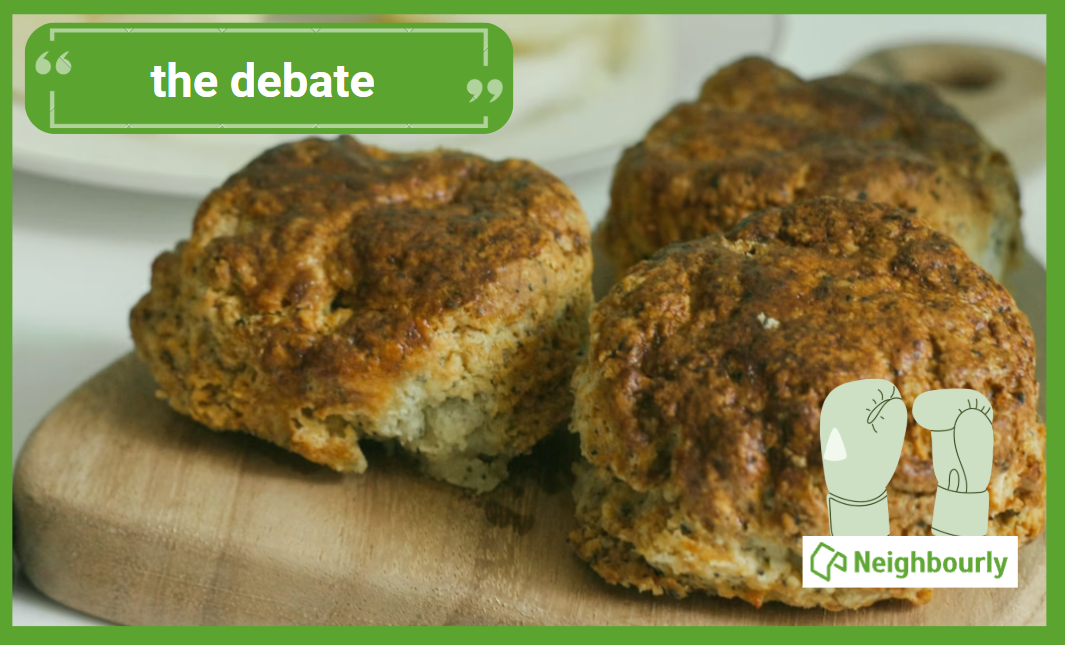
Poll: Does a savoury scone require cheese on top, or folded inside?
Help settle the great kiwi debate ... cheese on top, or folded inside?
-
76.7% Inside!
-
23.3% On top!
Poll: Are you still heading to your local for your caffeine fix, or has the $$ changed your habits? ☕
Auckland has a thriving cafe culture, but with costs climbing, that culture is under pressure. We’ve seen the headlines about recent closures across the country, and it’s a tough pill to swallow along with a $6+ coffee.
We all want our favourite spots to stay open, but we also have to balance our own budgets ⚖️
We want to know: How are you handling the "coffee math" in 2026? Are you still heading to your local for a chat and a caffeine fix, or has the cost of living changed your habits?
Keen to read more about "coffee math"? The Post has you covered.

-
41.7% I avoid spending money on coffee
-
42.4% I still indulge at my local cafe
-
15.9% Irrelevant - coffee is not for me
Got more greens than you know what to do with? 🥦🌱🥕
Whether it’s a courgette takeover or a feijoa frenzy, don’t let those garden gems go to waste!
Our suggestion to you: Did you know you can grate and freeze excess courgettes to use in chocolate cake later? It sounds a bit dodgy, but it makes the cake incredibly moist ... and hey, it counts as a serving of veg, right? 🍫
What’s your go-to move for a bumper harvest? Drop your best "glut" recipes or preservation hacks in the comments below! 👇

 Loading…