




Keep your vehicle safe with the following tips ...
🚗 Vehicle parked in a visible location, or off the street if possible.
🚙 Valuables, including keys, removed from vehicle, or stored safely out of sight.
🚗 Vehicle locked & keys taken with you.
🚙 Keys & key chains do not display names, addresses, or license plate numbers.
🚗 Number plates secured with anti-theft screws (available at car accessory stores).
🚙 Alloy wheels secured with fit locking, anti-tamper wheel nuts.
🚗 Car ownership information stored at home, not in the vehicle.
🚙 Vehicle fitted with an anti-theft device, such as a steering wheel lock or alarm.
🚗 If the vehicle is keyless, ‘keys’ (or entry device) kept a safe distance from the car, away from doors & windows so the signal cannot be interfered with.
🚙 Get to know neighbours & their vehicles so you’ll know if you see something that doesn’t seem right.
Always report suspicious behaviour in your neighbourhood.
If it's already happened, phone 105 or report at 105.police.govt.nz.
If it's happening now, call 111.
Want to make an anonymous report? Contact Crime Stoppers
For more tips on keeping safe, visit the police.govt.nz website.

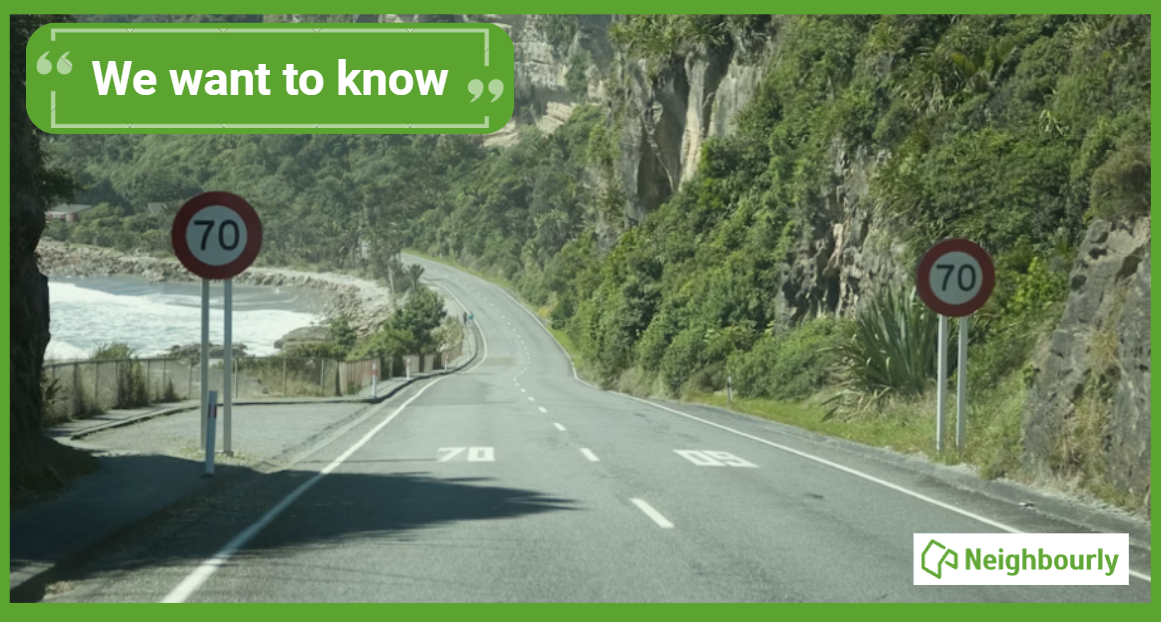
Poll: If we want to reduce speeding, what do you think actually changes driver behaviour? 🛻🚨🚓
In the Post's article on speeding penalties, the question is asked whether speeding fines are truly about road safety, or are they just a way to boost revenue for the Crown?
What do you think? Should speeding motorists receive speeding fines or demerit points?
-
37.6% The sting of a fine (Money talks!)
-
62.4% The threat of demerit points (Nobody wants to lose their license!)

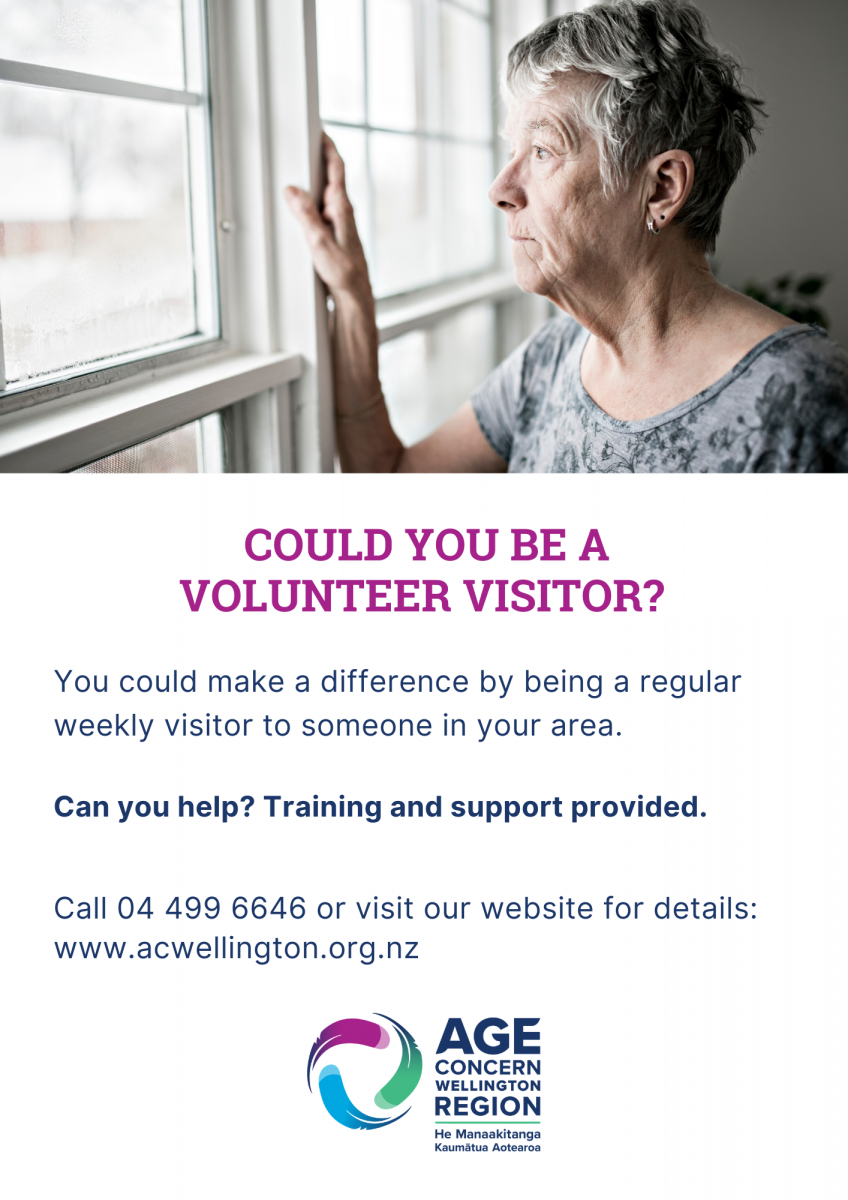
Age Concern are looking for Volunteers in the Northern Suburbs
Our Companion Walking Service provides one-to-one assistance for people who find walking on their own difficult or could you make a difference by being a regular weekly visitor to someone in your area.
We have a particular need for volunteers in the Northern Suburbs, please consider volunteering as we have seniors waiting for a companion.


Some Choice News!
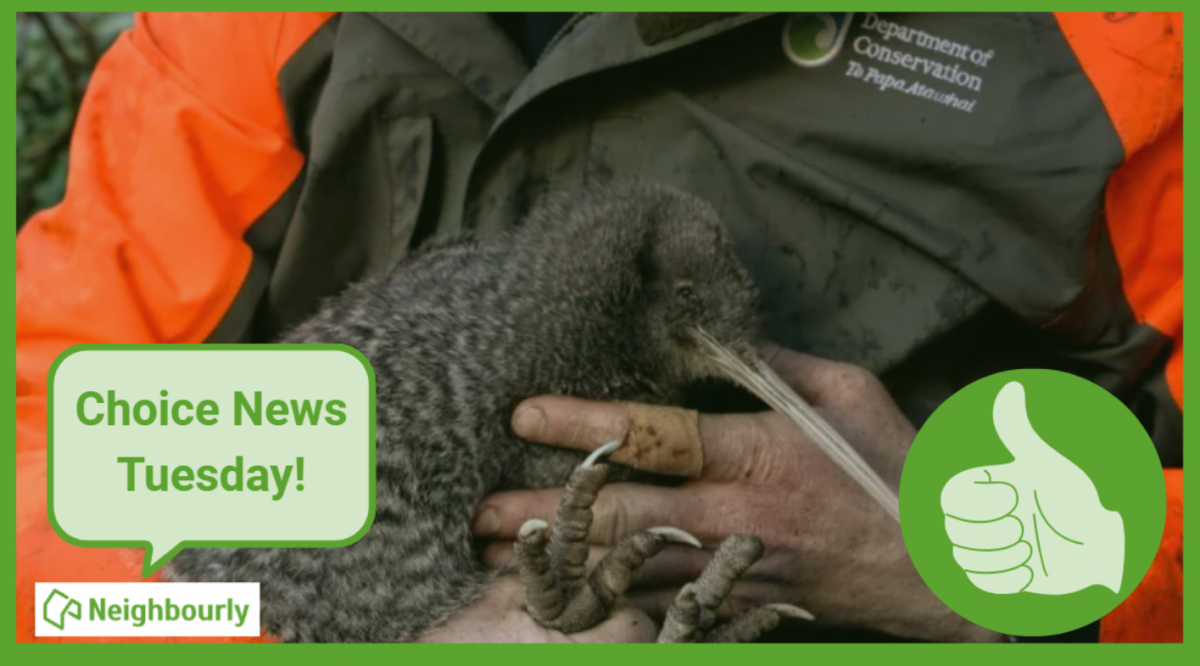
DOC is rolling out a new tool to help figure out what to tackle first when it comes to protecting our threatened species and the things putting them at risk.
Why does this matter? As Nikki Macdonald from The Post points out, we’re a country with around 4,400 threatened species. With limited time and funding, conservation has always meant making tough calls about what gets attention first.
For the first time, DOC has put real numbers around what it would take to do everything needed to properly safeguard our unique natural environment. The new BioInvest tool shows the scale of the challenge: 310,177 actions across 28,007 sites.
Now that we can see the full picture, it brings the big question into focus: how much do we, as Kiwis, truly value protecting nature — and what are we prepared to invest to make it happen?
We hope this brings a smile!
 Loading…