






Neurodiversity in schools: ‘It’s not new, but our understanding has increased’
By David Hill, Local Democracy Reporter
North Canterbury schools say supporting children with conditions like autism, ADHD, dyslexia and anxiety is ‘‘not new’’, but there is greater understanding of neurodiversity.
A recent report from the Education Hub, an organisation which connects teachers with education research, warned schools were failing neurodivergent children.
It said the education system was broken and heading for a major crisis, and it called for more funding.
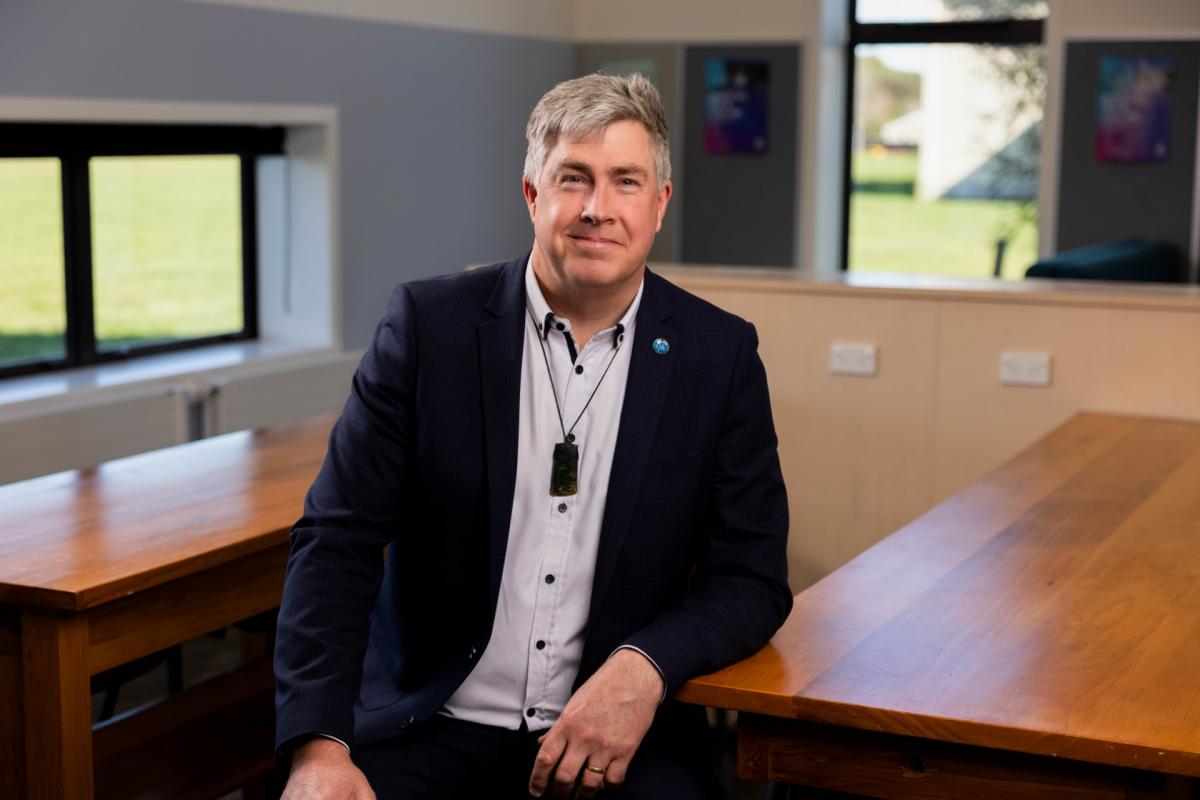
Rangiora High School head of student support Tim Heidmann said up to 15% of students had a diagnosis one or more neurodivergent conditions and/or learning difficulties.
‘‘I don’t think having neurodivergence is anything new, but our understanding has increased.
‘‘We have always had people with autism in our society, so that’s not new, but our ability to respond is better."
Heidmann said he regularly met with whānau to discuss a student’s needs and what supports were available, but this was always limited by resources.
‘‘We can be prepared and forewarned, but in terms of having specific supports, it is responsive to the needs of the child.’’
It meant the school needed to be flexible, as each students’ needs were different.
While a diagnosis helped to guide how a student might be supported, it did no excuse ‘‘bad behaviour’’, he said.
‘‘It does help us to understand why a student might be behaving in this way. It might be their way of asking for help.’’
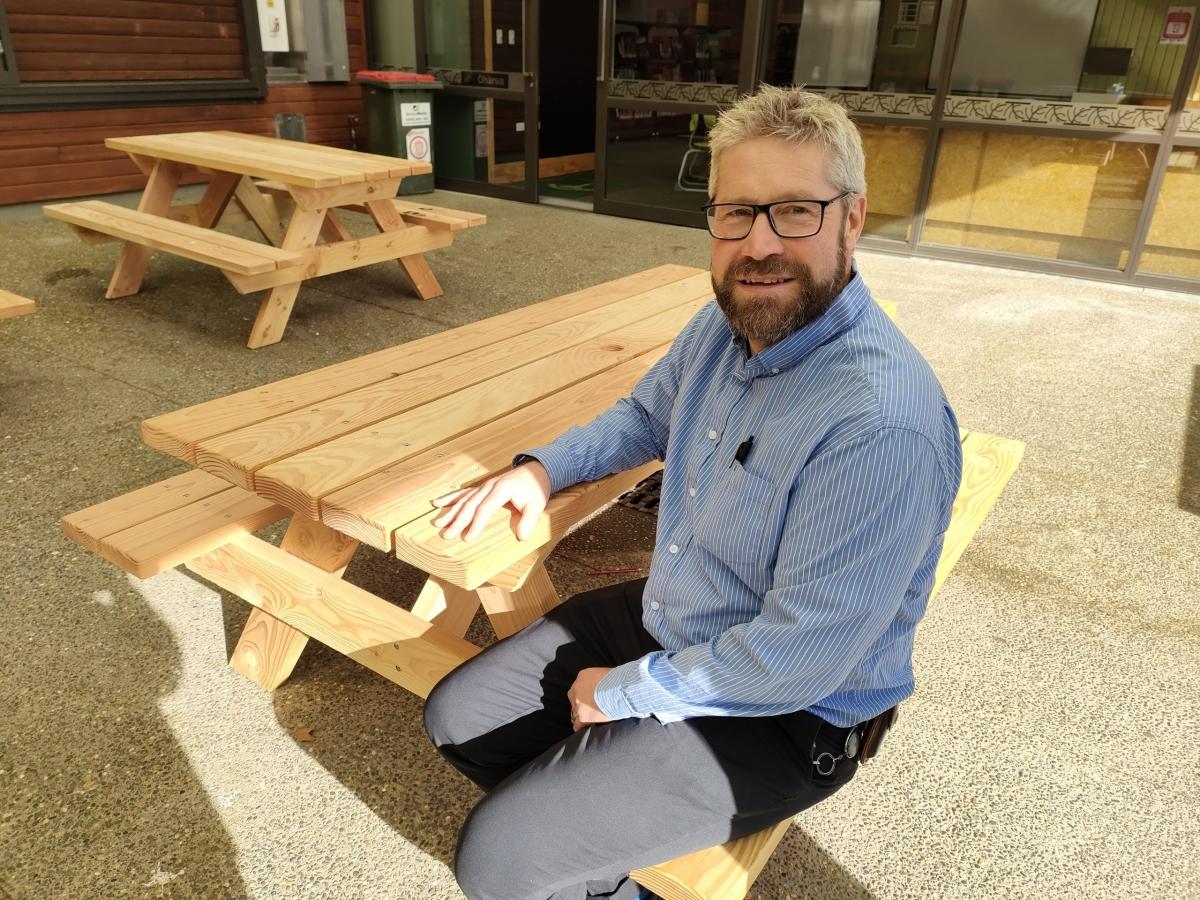
Kaiapoi High School principal Jason Reid said staff worked out a plan to support neurodivergent students based on a range of information from whānau, previous schools and outside agencies.
‘‘If we know what techniques have worked well and what techniques have been ineffective, we can use that to work out a pathway of learning.
‘‘A lot of it is about putting good information in teachers’ hands.’’
Catering for the diverse needs in a modern classroom provides a challenge for teachers, who are more aware than ever that one size does not fit all, Reid said.
‘‘We were discussing the other day whether there is a greater proportion of neurodivergent students than ever before.
‘‘Our group could not agree on a straightforward ‘yes' or ‘no' answer to this question.
‘‘It seems there is a greater proportion of our community who are neurodiverse.
‘‘However, are we just better at identifying neurodiversity, are we more aware of what neurodiversity looks like?’’
Reid said in the past what we now define as neurodivergent may have been identified ‘‘in different ways, or not at all’’.
Community Wellbeing North Canterbury Trust manager Deirdre Ryan advised parents who were concerned about their children to contact their GP for advice in the first instance.
The trust worked collaboratively with local schools offering a range of services, including being a Mana Ake (years 1 to 8) and a Manu Ka Rere (13-24 years) provider.
Both programmes offer mental health support in schools.
Support was also available through Parent to Parent (parent2parent.org.nz), Autism New Zealand (autismnz.org.nz) and ADHD New Zealand (adhd.org.nz).
■ LDR is local body journalism co-funded by RNZ and NZ On Air.

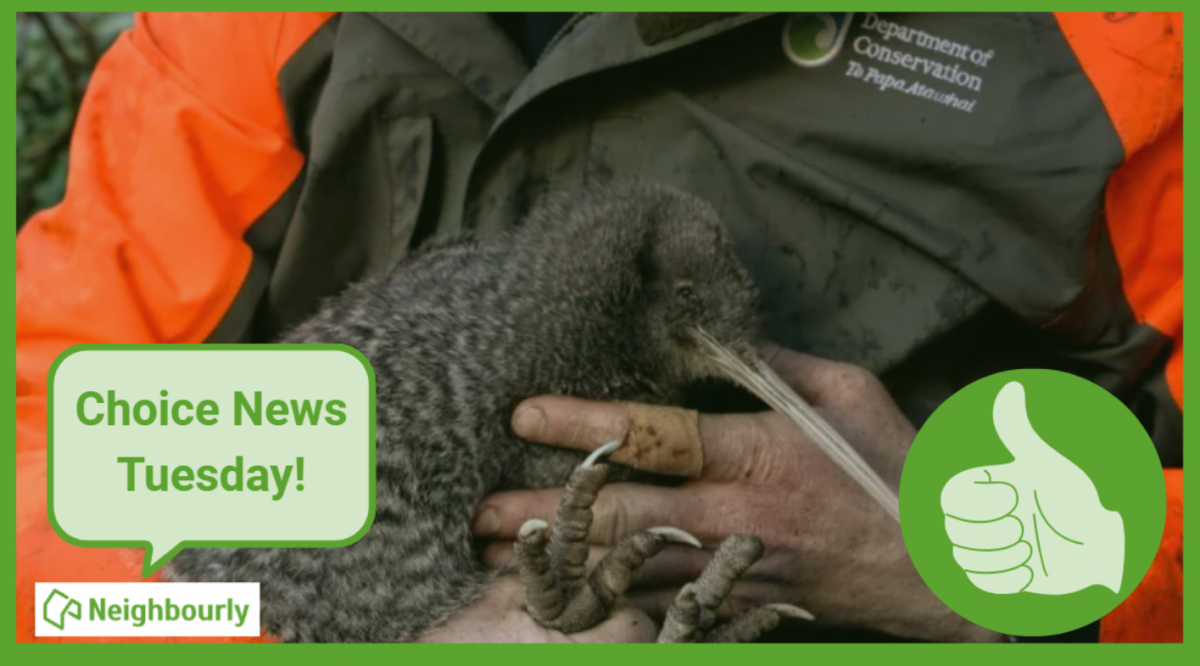
Some Choice News!
DOC is rolling out a new tool to help figure out what to tackle first when it comes to protecting our threatened species and the things putting them at risk.
Why does this matter? As Nikki Macdonald from The Post points out, we’re a country with around 4,400 threatened species. With limited time and funding, conservation has always meant making tough calls about what gets attention first.
For the first time, DOC has put real numbers around what it would take to do everything needed to properly safeguard our unique natural environment. The new BioInvest tool shows the scale of the challenge: 310,177 actions across 28,007 sites.
Now that we can see the full picture, it brings the big question into focus: how much do we, as Kiwis, truly value protecting nature — and what are we prepared to invest to make it happen?
We hope this brings a smile!

Poll: 🤖 What skills do you think give a CV the ultimate edge in a robot-filled workplace?
The Reserve Bank has shared some pretty blunt advice: there’s no such thing as a “safe” job anymore 🛟😑
Robots are stepping into repetitive roles in factories, plants and warehouses. AI is taking care of the admin tasks that once filled many mid-level office jobs.
We want to know: As the world evolves, what skills do you think give a CV the ultimate edge in a robot-filled workplace?
Want to read more? The Press has you covered!

-
52.7% Human-centred experience and communication
-
14.7% Critical thinking
-
29.8% Resilience and adaptability
-
2.7% Other - I will share below!

Share your favourite main crop potato recipe and win a copy of our mag!
Love potatoes? We will give away free copies of the May 2026 issue to readers whose potato recipes are used in our magazine. To be in the running, make sure you email your family's favourite way to enjoy potatoes: mailbox@nzgardener.co.nz, by March 1, 2026.

 Loading…