






Neurodiversity in schools: ‘It’s not new, but our understanding has increased’
By David Hill, Local Democracy Reporter
North Canterbury schools say supporting children with conditions like autism, ADHD, dyslexia and anxiety is ‘‘not new’’, but there is greater understanding of neurodiversity.
A recent report from the Education Hub, an organisation which connects teachers with education research, warned schools were failing neurodivergent children.
It said the education system was broken and heading for a major crisis, and it called for more funding.
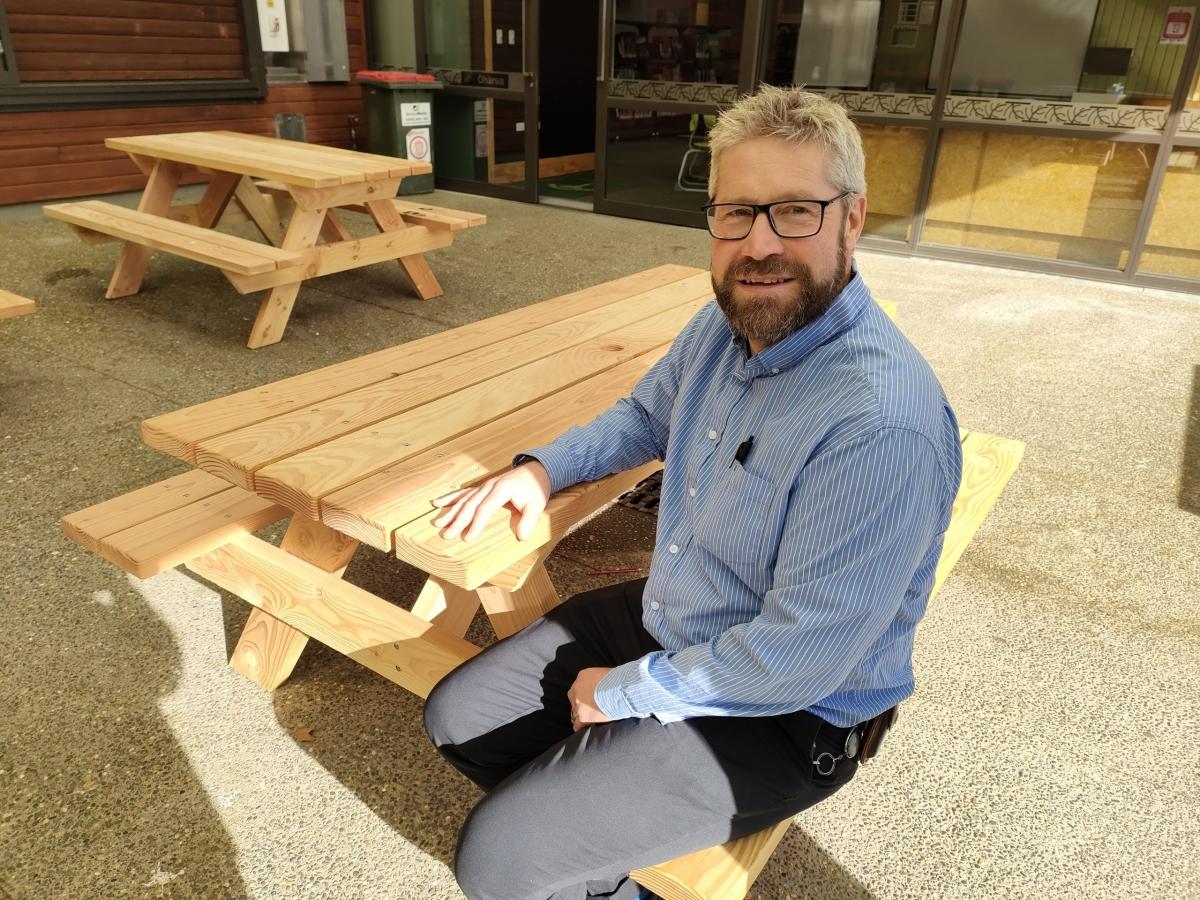
Rangiora High School head of student support Tim Heidmann said up to 15% of students had a diagnosis one or more neurodivergent conditions and/or learning difficulties.
‘‘I don’t think having neurodivergence is anything new, but our understanding has increased.
‘‘We have always had people with autism in our society, so that’s not new, but our ability to respond is better."
Heidmann said he regularly met with whānau to discuss a student’s needs and what supports were available, but this was always limited by resources.
‘‘We can be prepared and forewarned, but in terms of having specific supports, it is responsive to the needs of the child.’’
It meant the school needed to be flexible, as each students’ needs were different.
While a diagnosis helped to guide how a student might be supported, it did no excuse ‘‘bad behaviour’’, he said.
‘‘It does help us to understand why a student might be behaving in this way. It might be their way of asking for help.’’
Kaiapoi High School principal Jason Reid said staff worked out a plan to support neurodivergent students based on a range of information from whānau, previous schools and outside agencies.
‘‘If we know what techniques have worked well and what techniques have been ineffective, we can use that to work out a pathway of learning.
‘‘A lot of it is about putting good information in teachers’ hands.’’
Catering for the diverse needs in a modern classroom provides a challenge for teachers, who are more aware than ever that one size does not fit all, Reid said.
‘‘We were discussing the other day whether there is a greater proportion of neurodivergent students than ever before.
‘‘Our group could not agree on a straightforward ‘yes' or ‘no' answer to this question.
‘‘It seems there is a greater proportion of our community who are neurodiverse.
‘‘However, are we just better at identifying neurodiversity, are we more aware of what neurodiversity looks like?’’
Reid said in the past what we now define as neurodivergent may have been identified ‘‘in different ways, or not at all’’.
Community Wellbeing North Canterbury Trust manager Deirdre Ryan advised parents who were concerned about their children to contact their GP for advice in the first instance.
The trust worked collaboratively with local schools offering a range of services, including being a Mana Ake (years 1 to 8) and a Manu Ka Rere (13-24 years) provider.
Both programmes offer mental health support in schools.
Support was also available through Parent to Parent (parent2parent.org.nz), Autism New Zealand (autismnz.org.nz) and ADHD New Zealand (adhd.org.nz).
■ LDR is local body journalism co-funded by RNZ and NZ On Air.


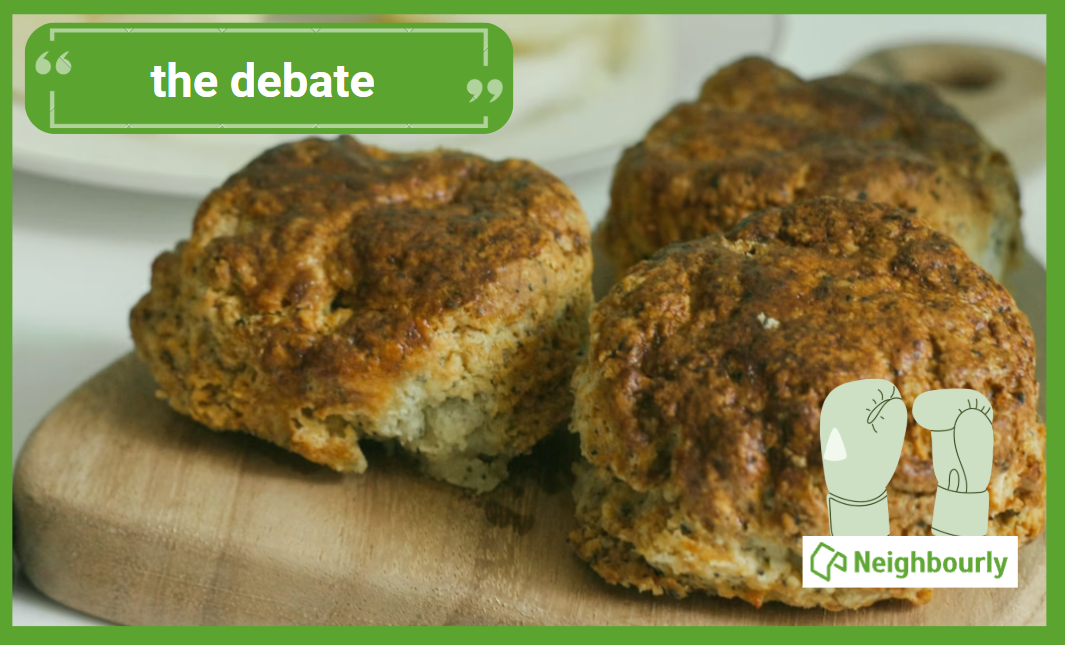
Poll: Does a savoury scone require cheese on top, or folded inside?
Help settle the great kiwi debate ... cheese on top, or folded inside?
-
76.4% Inside!
-
23.6% On top!

Don't overthink this riddle...
I have a silver sole
but no feet,
I make my living by bringing the heat.
What am I?
Do you think you know the answer? Simply 'Like' this post if you know the answer and the big reveal will be posted in the comments at 2pm on the day!
Want to stop seeing these in your newsfeed?
Head here and hover on the Following button on the top right of the page (and it will show Unfollow) and then click it. If it is giving you the option to Follow, then you've successfully unfollowed the Riddles page.
Got more greens than you know what to do with? 🥦🌱🥕
Whether it’s a courgette takeover or a feijoa frenzy, don’t let those garden gems go to waste!
Our suggestion to you: Did you know you can grate and freeze excess courgettes to use in chocolate cake later? It sounds a bit dodgy, but it makes the cake incredibly moist ... and hey, it counts as a serving of veg, right? 🍫
What’s your go-to move for a bumper harvest? Drop your best "glut" recipes or preservation hacks in the comments below! 👇
 Loading…