




Strategies For Climate Change
KCDC needs to revise its ambulance at the bottom of the cliff approach to climate change. Instead of reminding us what we need to have in a grab bag, timely attention should be given to adaptations to our existing infrastructure to enable it to cope with the severe weather events which are inevitably coming.
Chris Turver has recently recommended that the current Floodplain Management Plan be revised, and I would concur that this should be done. However, the work should not stop there. These management plan exercises are in danger of becoming tick-box exercises and are often consigned to the bottom draw to accumulate dust once they are signed off. Any strategies we use now have to be living documents. Our lives will depend upon it.
We also need to adapt existing infrastructure outside of flood plain areas to cope with extreme runoff. Parks and reserves can be re-designed to capture water in heavy rain events. Roads can be cambered to direct water to outflow areas. Landscaping and public recreation areas need to be made more permeable, to absorb water rather than turn into raging torrents across kilometers of concrete. The Waikanae River needs to have gravel removed as a matter of urgency. This could benefit the community in a number of ways. The gravel can be distributed for permeable paths, communities could have water holes constructed for recreational use.
For those who would like to understand more about these concepts, Mathew Bradbury's recent publication "Water City: Practical Strategies for Climate Change" is a valuable resource. Its available on Amazon. Katherine Ryan also interviewed Mathew on RNZ last week and this is available on the RNZ website. The strategies he advises and the evidence for these is compelling.
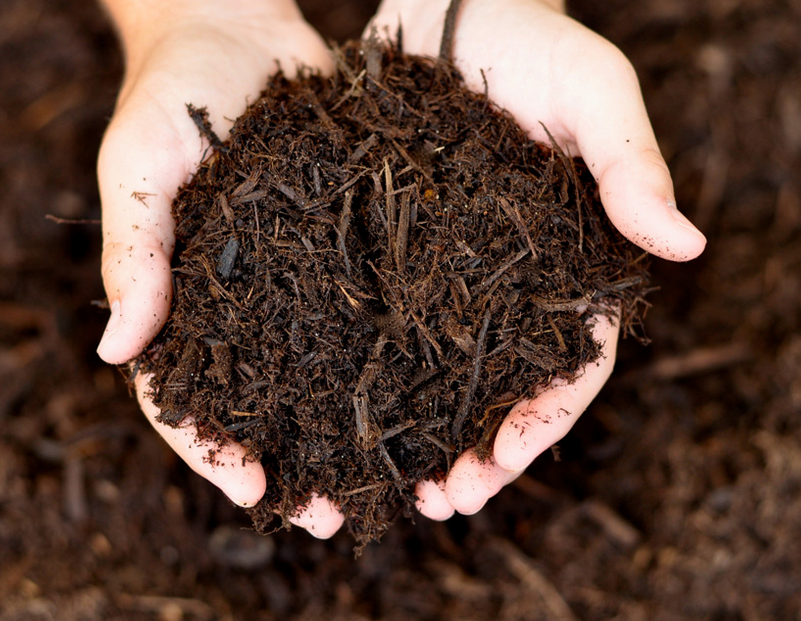
We not only need to "build back better", we need better existing structures also. The word is out from gardeners, landscapers and lifestyle block owners alike, that adding mulch and compost to soils absorbs water and slows down water flows. The more we can add to our soils the better. Twig mulch and bark paths are more absorbent than concrete.
The old slash and burn methods of agriculture are no longer appropriate. We should be utilizing forestry slash to provide more permeable surfaces, rather than burning it. These large scale burn offs add a lot more Co2. KCDC could help the Hawkes Bay Council by removing a few truckloads of chipped slash and providing it for local users here. Funding could also be allocated to individuals to improve water capture through tanks, swales and ponds.These strategies are, in my view, more deserving of funding than some of the current decisions that have been made. Storytelling is nice to have, but we don't want to have to tell the stories of how our families did not survive the winter of 2023 flood.
LOCALLY CRAFTED AND PRELOVED NIGHT MARKET IS ON TODAY
When:- Friday 27 February, 4:00pm – 7:00pm
Where: Waikanae Arts and Crafts Society Hall
27a Elizabeth St, Waikanae
Joyously made, locally hand crafted and wonderful preloved goodies:-
* Good quality Preloved Clothing
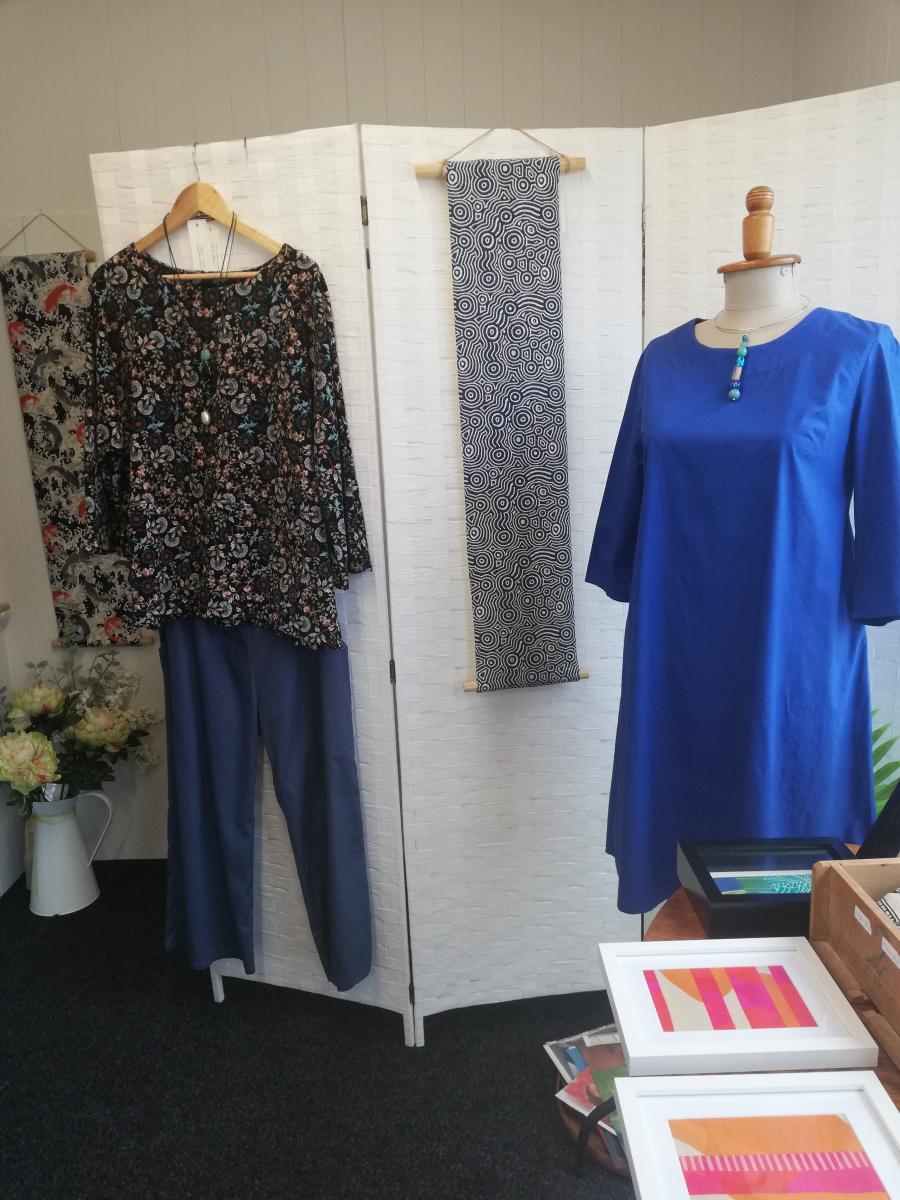
* New Clothing by a local designer
* Jewellery
* Hand made Bags
* Hand made Children's Dress-ups and Dolls Clothes
* Hand made Crochet Toys
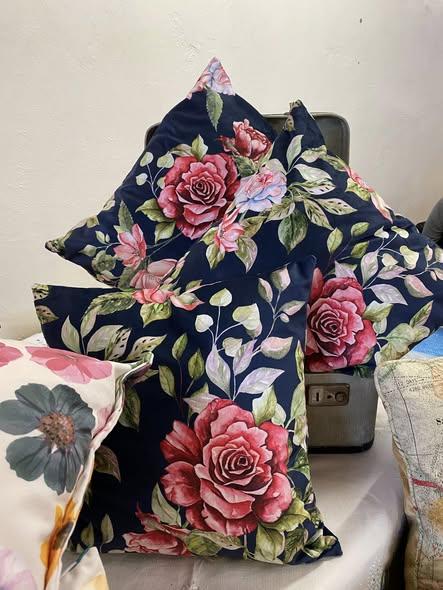
* Hand made Cushions
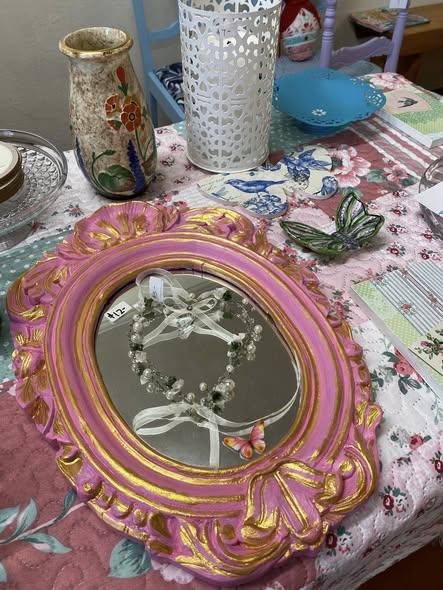
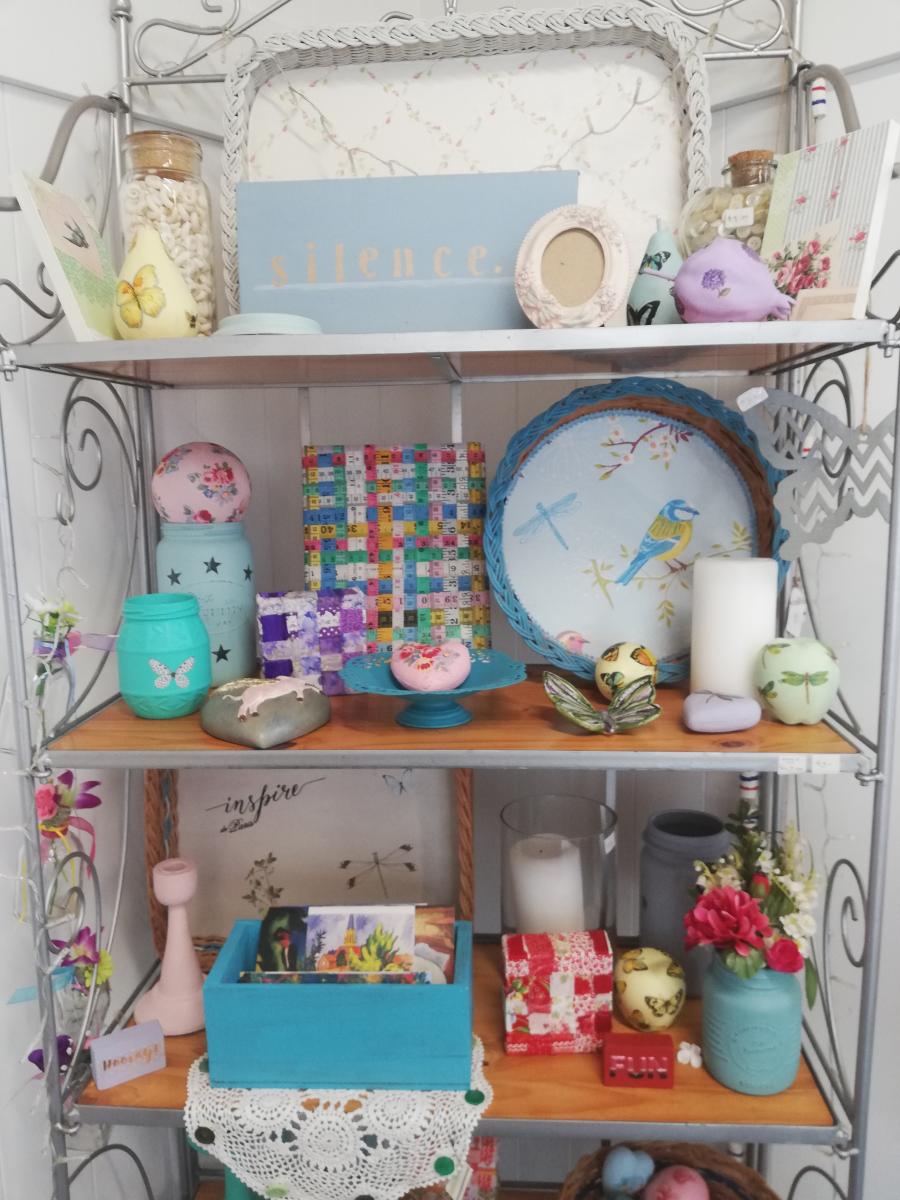
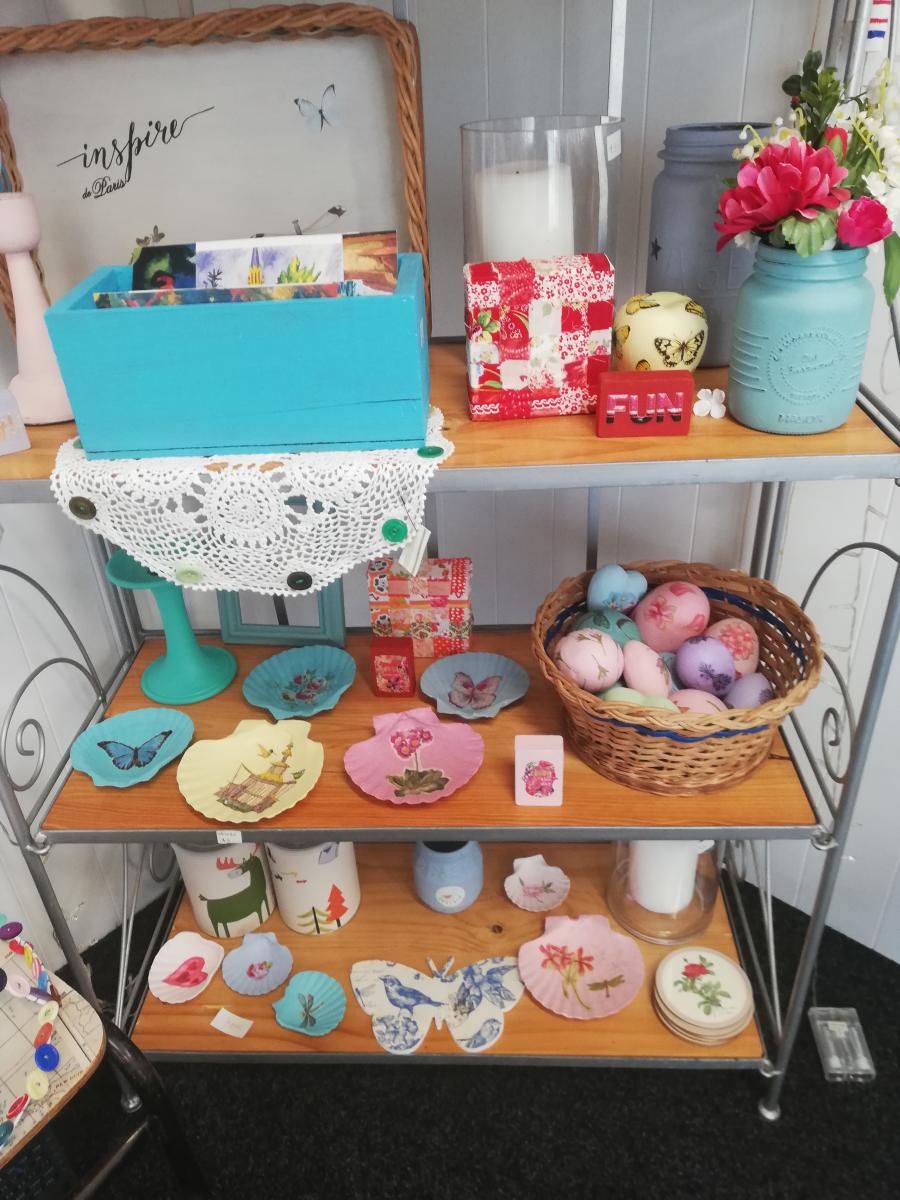
* Upcycled and repurposed items including Furniture upcycled in a Shabby Chic style
* The Chimney Pot - Antiques & Collectables
* Collage Art
Bring the kids along!! They have not been forgotten!!
Don't miss it - Everyone Welcome!!
Support Local!!





🧩😏 Riddle me this, Neighbours…
I am an odd number. Take away a letter and I become even. What number am I?
Do you think you know the answer?
Want to stop seeing these in your newsfeed? No worries! Simply head here and click once on the Following button.


Some Choice News!
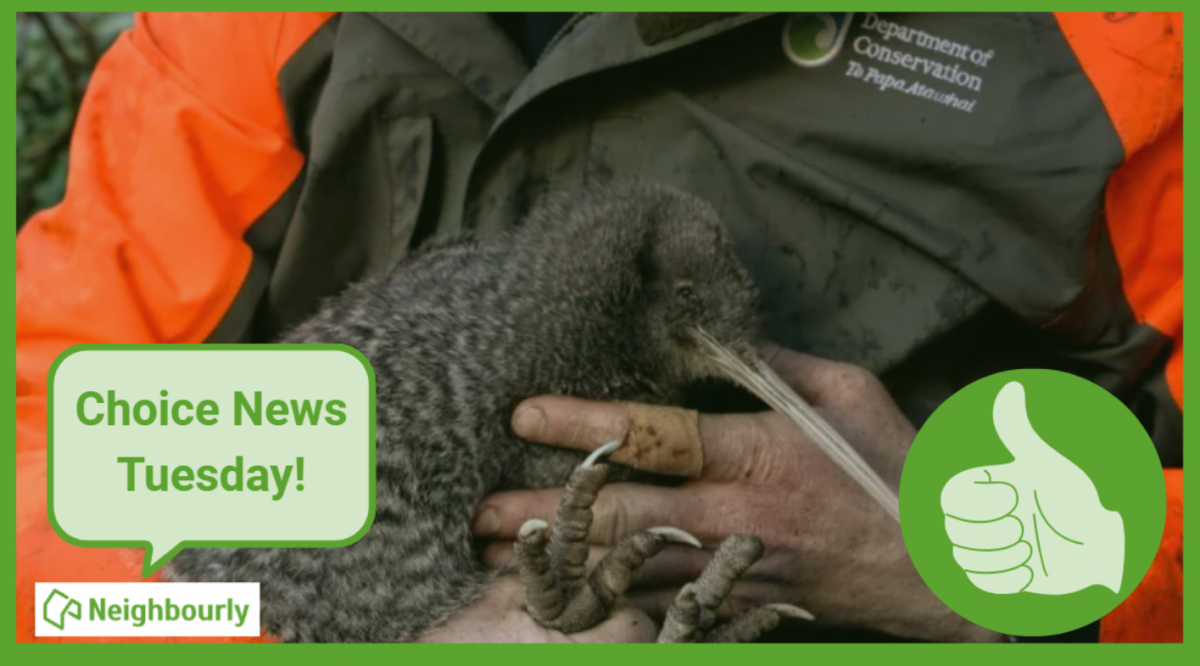
DOC is rolling out a new tool to help figure out what to tackle first when it comes to protecting our threatened species and the things putting them at risk.
Why does this matter? As Nikki Macdonald from The Post points out, we’re a country with around 4,400 threatened species. With limited time and funding, conservation has always meant making tough calls about what gets attention first.
For the first time, DOC has put real numbers around what it would take to do everything needed to properly safeguard our unique natural environment. The new BioInvest tool shows the scale of the challenge: 310,177 actions across 28,007 sites.
Now that we can see the full picture, it brings the big question into focus: how much do we, as Kiwis, truly value protecting nature — and what are we prepared to invest to make it happen?
We hope this brings a smile!
 Loading…