



Strategies For Climate Change
KCDC needs to revise its ambulance at the bottom of the cliff approach to climate change. Instead of reminding us what we need to have in a grab bag, timely attention should be given to adaptations to our existing infrastructure to enable it to cope with the severe weather events which are inevitably coming.
Chris Turver has recently recommended that the current Floodplain Management Plan be revised, and I would concur that this should be done. However, the work should not stop there. These management plan exercises are in danger of becoming tick-box exercises and are often consigned to the bottom draw to accumulate dust once they are signed off. Any strategies we use now have to be living documents. Our lives will depend upon it.
We also need to adapt existing infrastructure outside of flood plain areas to cope with extreme runoff. Parks and reserves can be re-designed to capture water in heavy rain events. Roads can be cambered to direct water to outflow areas. Landscaping and public recreation areas need to be made more permeable, to absorb water rather than turn into raging torrents across kilometers of concrete. The Waikanae River needs to have gravel removed as a matter of urgency. This could benefit the community in a number of ways. The gravel can be distributed for permeable paths, communities could have water holes constructed for recreational use.
For those who would like to understand more about these concepts, Mathew Bradbury's recent publication "Water City: Practical Strategies for Climate Change" is a valuable resource. Its available on Amazon. Katherine Ryan also interviewed Mathew on RNZ last week and this is available on the RNZ website. The strategies he advises and the evidence for these is compelling.
We not only need to "build back better", we need better existing structures also. The word is out from gardeners, landscapers and lifestyle block owners alike, that adding mulch and compost to soils absorbs water and slows down water flows. The more we can add to our soils the better. Twig mulch and bark paths are more absorbent than concrete.
The old slash and burn methods of agriculture are no longer appropriate. We should be utilizing forestry slash to provide more permeable surfaces, rather than burning it. These large scale burn offs add a lot more Co2. KCDC could help the Hawkes Bay Council by removing a few truckloads of chipped slash and providing it for local users here. Funding could also be allocated to individuals to improve water capture through tanks, swales and ponds.These strategies are, in my view, more deserving of funding than some of the current decisions that have been made. Storytelling is nice to have, but we don't want to have to tell the stories of how our families did not survive the winter of 2023 flood.


Poll: Should we ditch daylight saving? 🕰️
First introduced in New Zealand in 1927 with the passing of the Summer Time Act, it's what we know as 'Daylight Saving' and this year it ends on the first Sunday in April.
While we do get to sleep in this time around, some people would like to scrap the clock tinkering for good.
And why? Some evidence suggests the time changes are bad for our health as they mess with sleep patterns leading to short-term fatigue and affecting mood. Meanwhile the hour change is frustrating for farmers and a nightmare for getting the littlies to sleep. But what's your take?

-
40.5% Yes - get rid of the clock changes
-
57.6% No, I enjoy it
-
1.9% Other - I'll share below

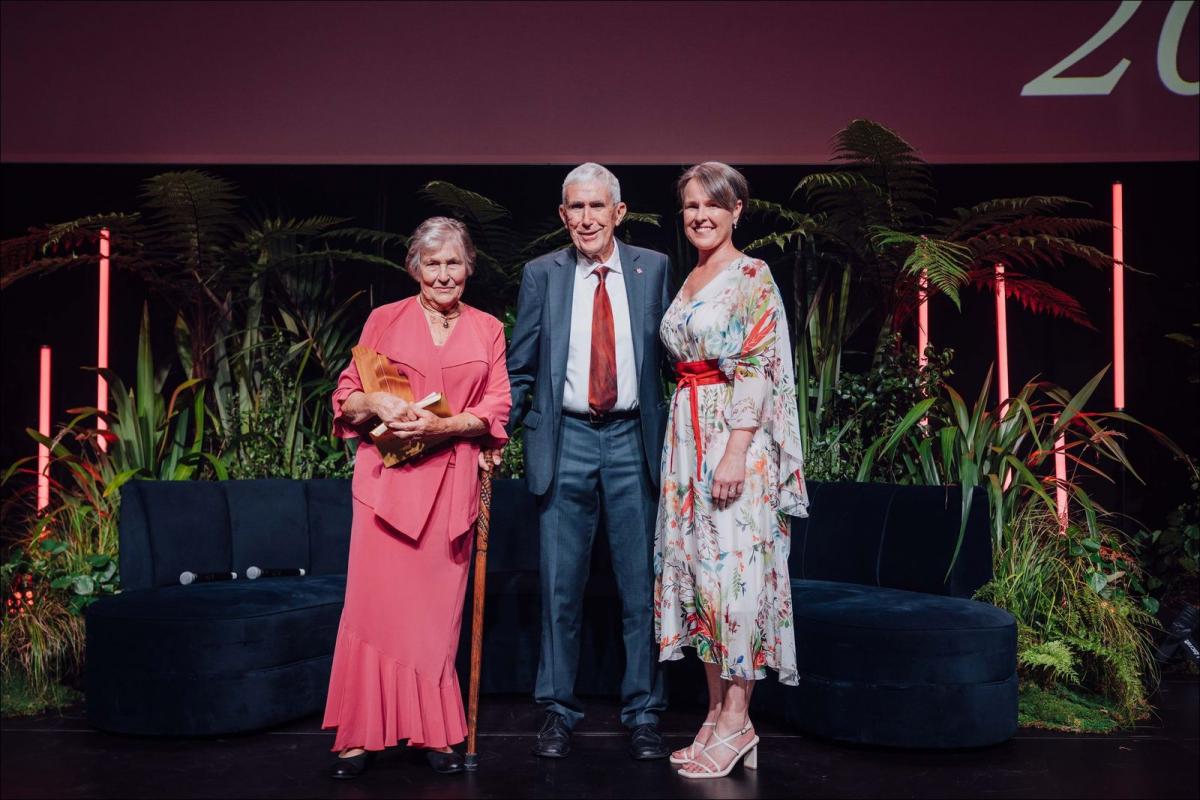
Alan and Hazel Kerr share Senior New Zealander of the Year Award 2026
Dr Alan and Hazel Kerr describe themselves as ‘just ordinary old Kiwis’, despite being named as the 2026 Ryman Healthcare Senior New Zealanders of the Year Te Mātāpuputu o te Tau.
The amazing couple prompted a standing ovation at a star-studded Auckland event which recognised their tireless efforts, with Alan travelling to and from Gaza and the West Bank 40 times to help children over 20 years, and Hazel travelling 20 times.
Click read more to find out more.
We're taking the bus!
The number of Wellingtonians taking the bus and train rose by 3% last week compared to the same time last year, according to Metlink.
Not surprising given petrol prices at the moment. But if you're considering giving up your car commute for a leisurely bus ride in the mornings, it would be worth it.
It's about to get even easier: In April, e-pay will be launched, meaning you can tap on with your credit cards as well as smart devices.
It's better on the environment too: With most Metlink trains running on electricity, 25% of the bus fleet being EV’s and the Ika Rere electric ferry, Metlink is able to move more people using less fuel than any other transport option.
With fuel costs so high, it's a good idea to jump on board if you can. If you've become a public transport convert recently, how have you found it?

 Loading…