




Boundaries of Adaptation - An exhibition by Nina Bulgakova
Boundaries of Adaptation
An exhibition by Nina Bulgakova
28 February - 18 March
Community Gallery Space - Franklin Arts Centre
Opening Event: Saturday 28 February, 10am
Adaptation is often understood as the ability to adjust to an environment, to accept its conditions and become less visible within it. In this body of work, the focus shifts to a different moment, the point at which adaptation reaches its limit and begins to form a boundary.
This boundary is not a gesture of refusal or isolation. It appears as a need to define how interaction with the outside world takes place. Not to shut it out, but to stay in contact while maintaining a sense of stability. Here, the boundary is not an opposition, but a way of reaching agreement.
The works take the form of wall-mounted sculptural objects, where the boundary becomes material and physically present. Within these objects, it is expressed through weight, density, surface, and tension of form, shifting from an abstract idea into a direct experience.


Some Choice News!
DOC is rolling out a new tool to help figure out what to tackle first when it comes to protecting our threatened species and the things putting them at risk.
Why does this matter? As Nikki Macdonald from The Post points out, we’re a country with around 4,400 threatened species. With limited time and funding, conservation has always meant making tough calls about what gets attention first.
For the first time, DOC has put real numbers around what it would take to do everything needed to properly safeguard our unique natural environment. The new BioInvest tool shows the scale of the challenge: 310,177 actions across 28,007 sites.
Now that we can see the full picture, it brings the big question into focus: how much do we, as Kiwis, truly value protecting nature — and what are we prepared to invest to make it happen?
We hope this brings a smile!


🎉 Riddle me this, legends! 🎉
He/She who makes it, sells it.
He/She who buys it, doesn't use it.
The user doesn't know they are using it.
What is it?
(Shezz from Ngāruawāhia kindly provided this head-scratcher ... thanks, Shezz!)
Do you think you know the answer? Simply 'Like' this post if you know the answer and the big reveal will be posted in the comments at 2pm on the day!
Want to stop seeing these in your newsfeed?
Head here and hover on the Following button on the top right of the page (and it will show Unfollow) and then click it. If it is giving you the option to Follow, then you've successfully unfollowed the Riddles page.

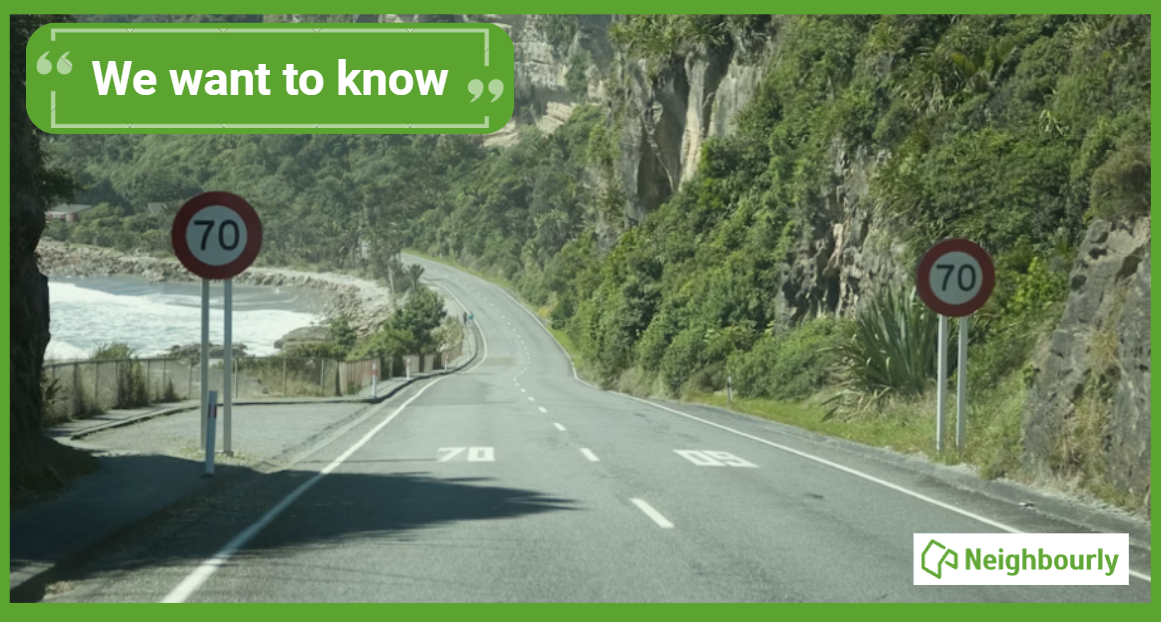
Poll: If we want to reduce speeding, what do you think actually changes driver behaviour? 🛻🚨🚓
In the Post's article on speeding penalties, the question is asked whether speeding fines are truly about road safety, or are they just a way to boost revenue for the Crown?
What do you think? Should speeding motorists receive speeding fines or demerit points?
-
37.2% The sting of a fine (Money talks!)
-
62.8% The threat of demerit points (Nobody wants to lose their license!)
 Loading…