





Hamilton asked to urgently conserve water
Hamiltonians are asked to conserve all non-essential water use after rising Waikato River levels may affect the stability of the slip-affected Eastern Bulk Water Main.
Hamilton City Council staff are monitoring the Eastern Bulk Water Main site and there is the possibility that we may isolate (shut down) the Eastern Bulk Water Main as a precautionary measure due to rising river levels.
City Waters Unit Manager Maire Porter says residents can assist by conserving water for at least the next three days.
“Conserving all non-essential water is the best way for us to be able to manage supplying the whole city through one bulk water main if we need to. Easy ways to save water are taking shorter showers, turn off the tap when you’re brushing your teeth and refraining from using sprinklers or any outdoor water use,” says Mrs Porter.
“If a planned isolation was implemented today, we believe the impact on the city’s supply overnight would likely be similar to the events of 3 February, when we had some pressure loss issues but no loss of service for households.
“Regular updates will be on the Council’s website and Facebook page, however it would help get the message out if people can let their friends and neighbours know.”
The Eastern Bulk Water Main supplies around 27,000 homes and runs under the Waikato River from the city’s water treatment plant opposite Hamilton Gardens. A substantial section of the riverbank collapsed around the Bulk Main in early February.
The isolation of the bulk main will ensure all water is safe and will minimize any impact on the wider community.

Some Choice News!
DOC is rolling out a new tool to help figure out what to tackle first when it comes to protecting our threatened species and the things putting them at risk.
Why does this matter? As Nikki Macdonald from The Post points out, we’re a country with around 4,400 threatened species. With limited time and funding, conservation has always meant making tough calls about what gets attention first.
For the first time, DOC has put real numbers around what it would take to do everything needed to properly safeguard our unique natural environment. The new BioInvest tool shows the scale of the challenge: 310,177 actions across 28,007 sites.
Now that we can see the full picture, it brings the big question into focus: how much do we, as Kiwis, truly value protecting nature — and what are we prepared to invest to make it happen?
We hope this brings a smile!


Have you got New Zealand's best shed? Show us and win!
Once again, Resene and NZ Gardener are on the hunt for New Zealand’s best shed! Send in the photos and the stories behind your man caves, she sheds, clever upcycled spaces, potty potting sheds and colourful chicken coops. The Resene Shed of the Year 2026 winner receives $1000 Resene ColorShop voucher, a $908 large Vegepod Starter Pack and a one-year subscription to NZ Gardener. To enter, tell us in writing (no more than 500 words) why your garden shed is New Zealand’s best, and send up to five high-quality photos by email to mailbox@nzgardener.co.nz. Entries close February 23, 2026.


Will these roadworks affect you?
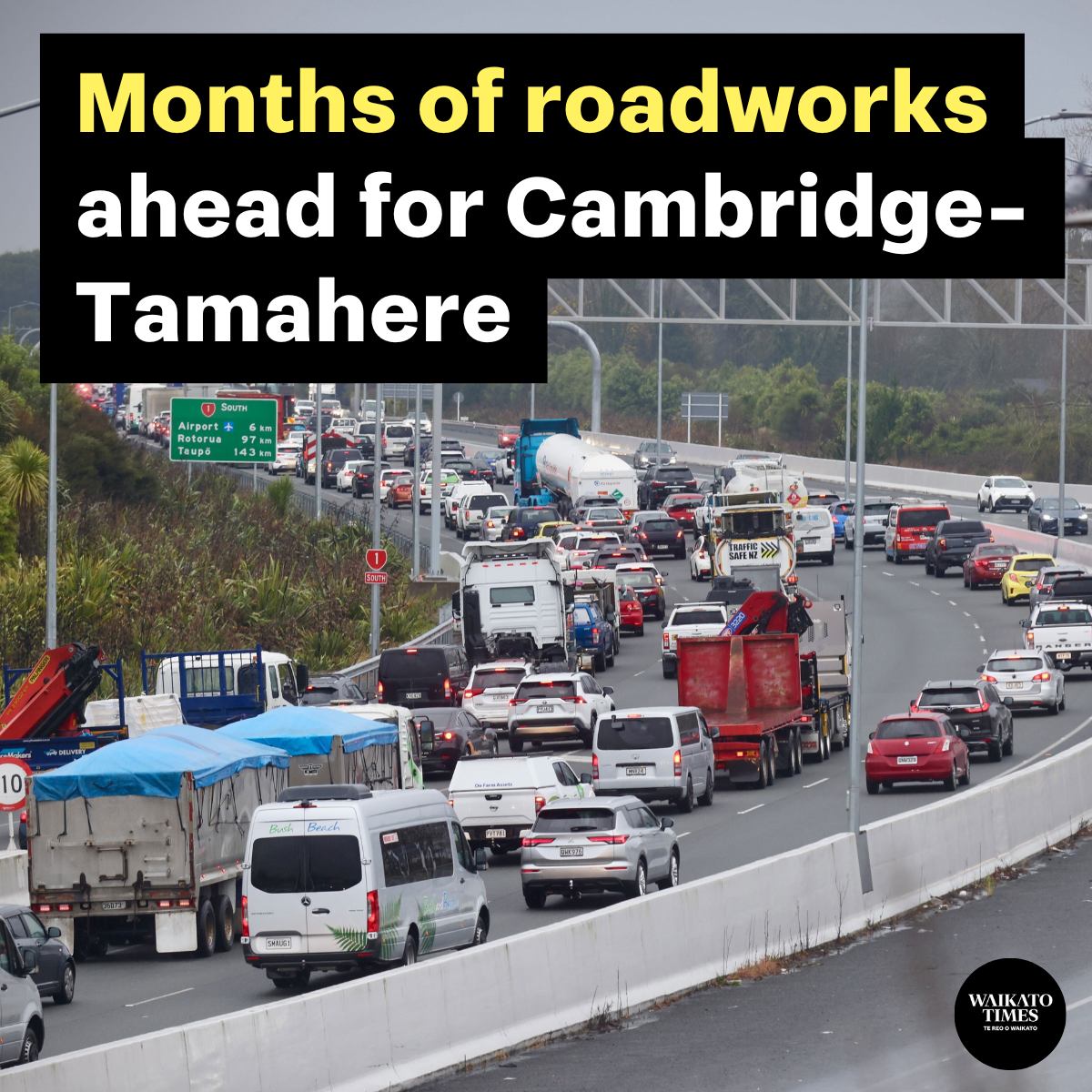
Don’t expect a quick trip between Cambridge and Tamahere for much of this year, because major roadworks are starting.
Asphalt works on that section of Waikato Expressway will run from March through to late 2026, NZ Transport Agency Waka Kotahi (NZTA) says. Motorists are warned to plan for significant delays.
“Unfortunately the pavement, particularly in the slow lanes, has deteriorated faster than expected,” NZTA’s Roger Brady said.
Will these roadworks affect you? Tell us more in the comments (adding NFP if you don't want your words used in print).
 Loading…