




Coastal plan goes back to drawing board
By local democracy reporter Lois Williams:
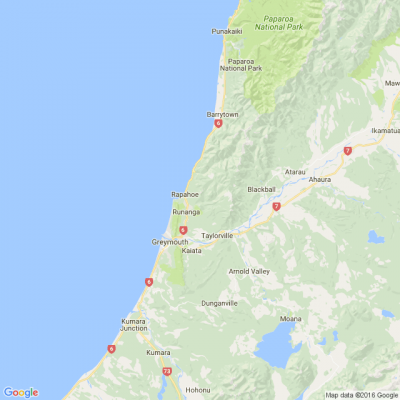
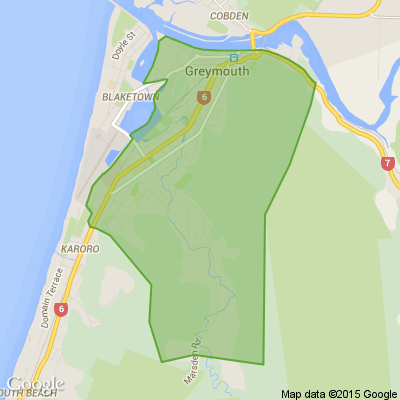
The West Coast Regional Council (WCRC) is going back to the drawing board to come up with a new Coastal Plan, controlling what can and can’t be done or built on the foreshore.
Regional Coastal Plans are a requirement under the RMA for all regional authorities, to manage the coastal marine area - stretching for mean highwater springs to 12 nautical miles offshore.
They regulate the activities the council will allow in that area; they must give effect to the New Zealand Coastal Policy statement, and they must be reviewed every 10 years.
But the WCRC’s last attempt to update its Coastal Plan was never completed, mainly because of staff shortages, and parts of it are now well out of date.
Chief executive Darryl Lew asked councillors this month for approval to withdraw the old plan and start again.
“A lot of the resources of this council have been going into the Tai o Poutini (district) Plan, which we run but don’t govern and we’ve not been able to pursue our own regional plans, which are actually our work,” he said.
In the past few weeks, Regional Council staff had begun focusing on that work including the Coastal and Air Quality plans.
A staff report outlining the issues and options in a new coastal plan said the main activities needing regulation in the CMA were temporary whitebait stands, hard protection structures (seawalls), gravel and sand removal, and small-scale beach mining.
The council grants an average six or seven resource consents for activities a year and has dealt with 29 incidents involving those consents in the past four years.
Most commonly, they involved the removal of beach material within Coastal Hazards Areas, and flood protection structures.
The main concerns for iwi, consulted under the council’s Mana Whakahono agreement, were offshore seabed mining and the discharge of untreated sewage into the ocean, staff reported.
That was culturally offensive to Poutini Ngai Tahu, but the coast’s three main centres all pumped treated wastewater out to sea, and there were limited options for land-based disposal, the report noted.
The regulatory options were to require the urban sewage to be treated to a high standard, consult with iwi over resource consents, and proactively monitor those consents.
Buller councillor Frank Dooley had concerns about possible restrictions on seawalls, discouraged as ’hard protection structures’ which could cause erosion, in the national policy directive.
“We have to recognise that at times they are the only option,” he said.
Councillor Brett Cummings agreed.
“Down at Haast at the moment they’re putting in rock (defences) to protect the power poles – we don’t want to get in the way of that.”
Dooley also challenged a staff suggestion that seawalls could be treated as restricted discretionary activities in the new plan.
But the word “restricted” referred to council’s powers to regulate and was in fact favourable to the applicant, the chief executive explained.
“With these plans, you are the governors, and you have a chance to say what you want in them. I would urge you to get involved in the workshops and you will end up with the plans you want,” Lew said.
Councillors voted unanimously to withdraw the old unfinished Coastal Plan and start work on the new one.
The council is aiming to begin consultation with stakeholders next month, and have the plan notified and out for public submissions in early 2026.
*LDR is local body journalism co-funded by RNZ and NZ On Air.


Poll: Does a savoury scone require cheese on top, or folded inside?
Help settle the great kiwi debate ... cheese on top, or folded inside?

-
76.3% Inside!
-
23.7% On top!
Got more greens than you know what to do with? 🥦🌱🥕
Whether it’s a courgette takeover or a feijoa frenzy, don’t let those garden gems go to waste!
Our suggestion to you: Did you know you can grate and freeze excess courgettes to use in chocolate cake later? It sounds a bit dodgy, but it makes the cake incredibly moist ... and hey, it counts as a serving of veg, right? 🍫
What’s your go-to move for a bumper harvest? Drop your best "glut" recipes or preservation hacks in the comments below! 👇


Get decorating with the Resene Sale !
20% off Resene premium paints, wood stains, primers & sealers and 20% off wallpaper and 20% off decorating accessories.
See your Resene Colorshop and bring out the best in your home.

 Loading…