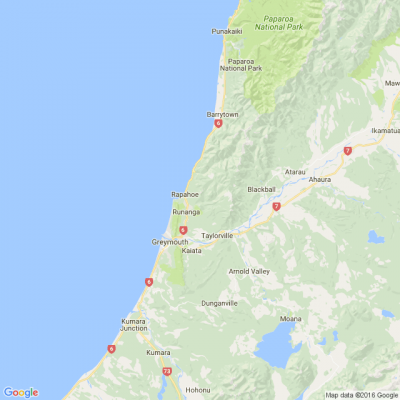
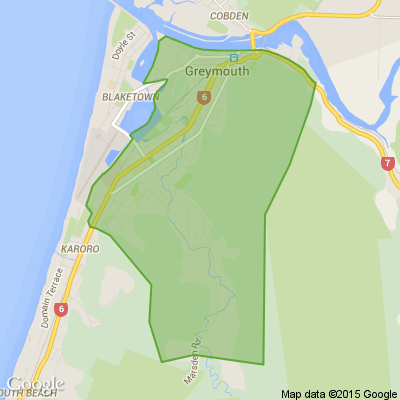





Wheelchair users have no public transport options in Greymouth
By local democracy reporter Brendon McMahon:
The West Coast's largest town no longer has public wheelchair transport.
The inequality for disabled people was highlighted at a hearing of the region's draft regional public transport plan.
The subsidised service for Greymouth ended early in 2023 when the operator withdrew citing lack of use.
West Coast Disability Steering Group chair Michael Nolan said the town's residential care homes provided their own mobility transport – but it was not a licenced public service.
A community shuttle run by St John carried out some hospital transfers, "but at a huge cost of hundreds of dollars".
That meant, "there's actually nothing" for people carrying out their daily business in Greymouth, Nolan said.
The Total Mobility concession scheme is also the only public transport provision for disabled people in the region.
It is administered by the West Coast Regional Council, although the Westland and Buller district councils also subsidise local taxi services in Hokitika and Westport.
On March 13, Disabled Persons Assembly regional policy adviser Chris Ford said they accepted the difficulty posed by the West Coast covering such a large, sparsely populated area
"It poses significant challenges to access public transport," Ford told the hearing.
Those with a disability already faced "significant barriers" given the limited transport options currently in the region.
And its largest urban area, Greymouth, had lost its subsidised mobility service after the operator withdrew citing compliance and lack of use issues, Ford said.
Wheelchair capable taxi services remained in Hokitika and Westport at this stage.
It was also "disappointing and frustrating" disabled transport users from the region were excluded from a national card scheme under the Total Mobility scheme, he said. This was supposed to enable users to access transport across the country.
Ford said the Disabled Persons Assembly believed the council, which is charged with administering the region's public transport, was only partially meeting its obligations under the UN Convention on the rights of persons with disabilities.
The group wanted to see the council fully examine the need for more accessible public transport options "for everyone," Ford said.
Meanwhile, Nolan said the council's current chit books for Total Mobility users required a lot of explaining and planning to book mobility transport outside the region.
Nolan called for a more comprehensive approach to increase accessible transport in the region, which has been concentrated to the three main towns.
"This can hardly be improved if the initial service is not provided for and what can be quantified as 'lack of use'," he said.
Additionally, commercial transport providers in the region did not account for the disabled - with existing bus services to, from and within the region providing no disabled access, he said.
A consolidated effort was needed including making subsidies for private operators available to offer mobility transport, Nolan said.
He also called for the region's transport decision makers to invite disability advocates - including those "with lived experience of disabilities" - to the table to discuss solutions.
Regional council chief executive Darryl Lew said the issue of a national disability access card had been investigated for some time by central Government for years but nothing had landed yet.


Don't overthink this riddle...
I have a silver sole
but no feet,
I make my living by bringing the heat.
What am I?
Do you think you know the answer? Simply 'Like' this post if you know the answer and the big reveal will be posted in the comments at 2pm on the day!
Want to stop seeing these in your newsfeed?
Head here and hover on the Following button on the top right of the page (and it will show Unfollow) and then click it. If it is giving you the option to Follow, then you've successfully unfollowed the Riddles page.


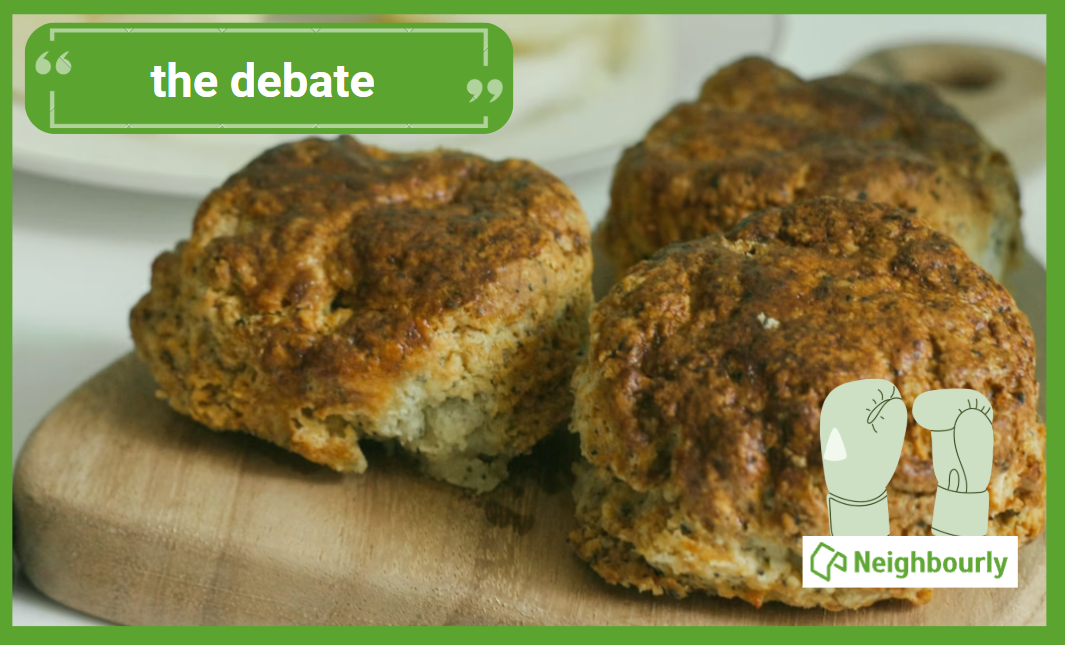
Poll: Does a savoury scone require cheese on top, or folded inside?
Help settle the great kiwi debate ... cheese on top, or folded inside?
-
76.4% Inside!
-
23.6% On top!
Got more greens than you know what to do with? 🥦🌱🥕
Whether it’s a courgette takeover or a feijoa frenzy, don’t let those garden gems go to waste!
Our suggestion to you: Did you know you can grate and freeze excess courgettes to use in chocolate cake later? It sounds a bit dodgy, but it makes the cake incredibly moist ... and hey, it counts as a serving of veg, right? 🍫
What’s your go-to move for a bumper harvest? Drop your best "glut" recipes or preservation hacks in the comments below! 👇

 Loading…