




Local health initiative rollout paused, but West Coast work continues
By local democracy reporter:
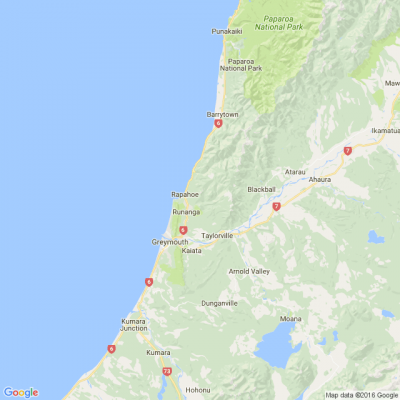
The Government has paused work on the rollout of health localities, but the West Coast pilot Takiwā Poutini will continue for now.
Takiwā Poutini chairperson Kevin Hague said the move was "not surprising" as Health Minister Shane Reti had indicated he "wasn't convinced by localities" during the election campaign.
"But on the other hand, he talked up the need for community involvement in planning and decision making - which is exactly what localities provide," Hague said.
"What he has done ... is pushed out the deadlines for locality plans and establishment of geographic boundaries. Clearly that is to allow the development of an alternative."
A Cabinet paper presented by the health minister on the abolishment of the Māori Health Authority also called a stop to further work on the rollout of up to 80 health localities across the country by June.
Introduced as part of the health reforms in 2022, it was to support localism and promote work between sectors as the local decision making of district health boards were scrapped.
However, Reti said their implementation had been slow "and there is a lack of clarity for communities and the health workforce", the NZ Herald reported.
The West Coast was in the initial rollout of 12 pilot areas in May 2022.
The locality Takiwā Poutini has engaged with local government, iwi, community groups and the education sector to gauge priorities to determine future health services across the region.
Hague said he did not see the locality rollout pause as the end but an opportunity to build on the model.
"Clearly, that is to allow the development of an alternative. In the meantime we've been told to keep working."
The West Coast locality would continue to be supported by Health New Zealand-Te Whatu Ora as it continued its work, Hague said.
Hague said he foresaw their work already being tapped into in the formulation of a new structure rather than "throwing the baby out with the bathwater".
Two key aspects were important to continue, he said:
* The evolving partnership to plan services between local government, central government and iwi via Takiwā Poutini.
* Incorporating the key focus of wellbeing "in a broader sense".
"It's encouraging that [Reti] hasn't said stop work on this - he's kind of slowing down the process," Hague said.
The Takiwā locality formalised its charter in March 2023, partnering with the region's councils and two rūnanga.
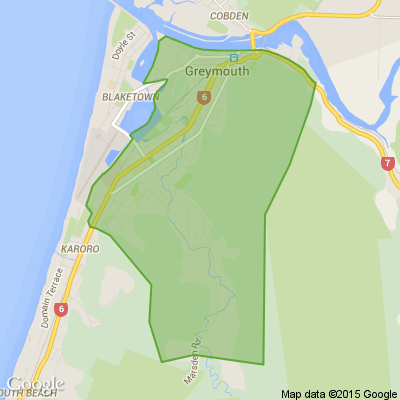
Greymouth mayor Tania Gibson, who is on the Takiwa Poutini governance board, said they had been left questioning its future.
"The last couple of meetings have been the uncertainty about what the Government will be doing … we'll see where that goes."
Gibson said the locality's purpose had seemed "very confusing" at times, including local government being pulled into its mandate but there had been some positive gains for the region.
This included the provision of new mobile health units in the region and the gathering of "good information" through consultation on community wellbeing, Gibson said.
Those wellbeing aims were to be incorporated through her council's long-term plan, as one example of an integrated approach.
Tony Kokshoorn, the former West Coast DHB deputy chairperson until 2022, said while he had agreed with the health reforms, there still needed to be "a go-between" so a small region like the West Coast could be heard in the new centralised system.
He said he understood the locality idea was supposed to do that in lieu of the former boards.
"We still need a link. We need some type of link into the central system -- we need some way there to make sure we're not overlooked here on the West Coast."
Reti said: "During the process which moved through Parliament this week, I consistently reiterated this Government’s commitment to delivering healthcare close to home and to hapu – and that includes on the West Coast."
He said the pausing of localities gave time to consider how to ensure health agencies deliver this commitment on the ground.
"There will be more to say and more thinking to be done. The legislation provides for a pause while we work out how to ensure genuine local influence on local service design and delivery happens."
Reti said he agreed that ways of working that identify and support local solutions to local health challenges are needed.
"That means using data, measuring progress, and working with people who know their communities best.
"When we get this right, we'll be supporting New Zealanders to stay in good health for longer wherever they are, whoever they are, and whatever their health needs are."
He said primary and community healthcare is the gateway to the health system for most people, particularly on the West Coast. In this space, Iwi Māori Partnership Boards would be "an increased local voice for all", as will the existing Primary Health Organisations.
"I thank the teams such as West Coast Takiwā Poutini as we take the time to pause, and consider the way ahead," Reti said.

Don't overthink this riddle...
I have a silver sole
but no feet,
I make my living by bringing the heat.
What am I?
Do you think you know the answer? Simply 'Like' this post if you know the answer and the big reveal will be posted in the comments at 2pm on the day!
Want to stop seeing these in your newsfeed?
Head here and hover on the Following button on the top right of the page (and it will show Unfollow) and then click it. If it is giving you the option to Follow, then you've successfully unfollowed the Riddles page.


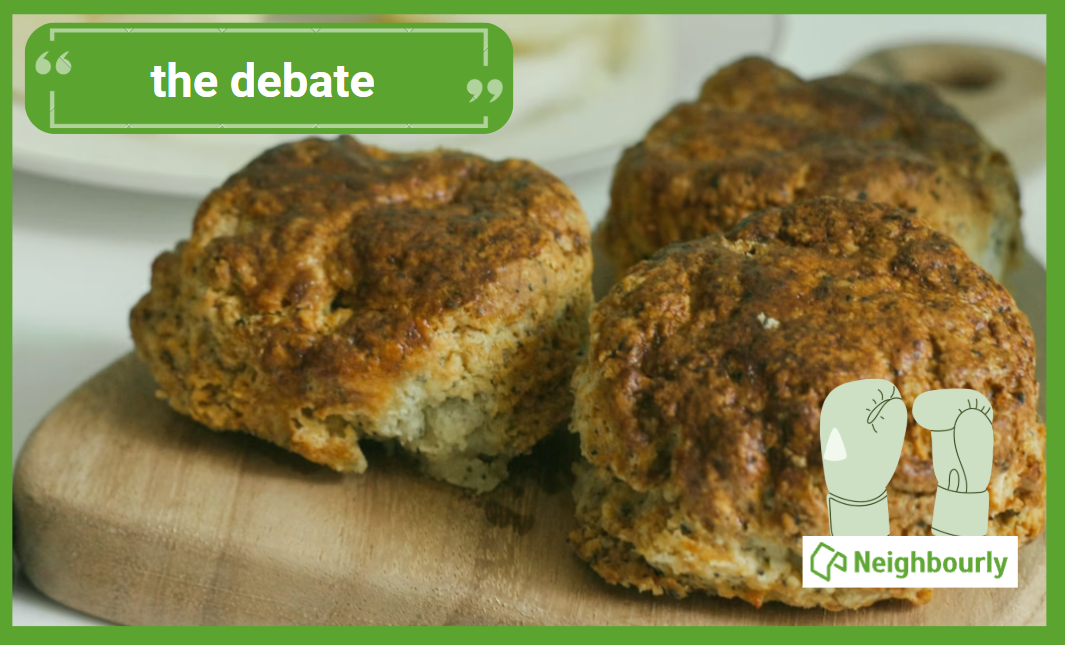
Poll: Does a savoury scone require cheese on top, or folded inside?
Help settle the great kiwi debate ... cheese on top, or folded inside?
-
76.4% Inside!
-
23.6% On top!
Got more greens than you know what to do with? 🥦🌱🥕
Whether it’s a courgette takeover or a feijoa frenzy, don’t let those garden gems go to waste!
Our suggestion to you: Did you know you can grate and freeze excess courgettes to use in chocolate cake later? It sounds a bit dodgy, but it makes the cake incredibly moist ... and hey, it counts as a serving of veg, right? 🍫
What’s your go-to move for a bumper harvest? Drop your best "glut" recipes or preservation hacks in the comments below! 👇

 Loading…