




Election 2023: Nine candidates bid for West Coast-Tasman votes
In the lead-up to the 2023 general election, The Press is profiling local electoral races. Here’s what you need to know about the candidates running to be West Coast-Tasman’s MP. (By reporter Joanne Naish)
The Labour Party won the West Coast-Tasman electorate party vote in 2020 for the first time since 2005.
It is a blue-voting heartland, but its long-standing MP is a Labour stalwart.
The West Coast-Tasman electorate seat has been held by Labour’s Damien O’Connor since 1996, apart from the interjection of National’s Chris Auchinvole from 2008 to 2011. The seat has never been held by a woman.
National took the party vote in every election since 2005 until Labour captured 20,521 party votes against National’s 10,934 in 2020. Labour gained 10.2 percentage points on its party vote share in 2017.
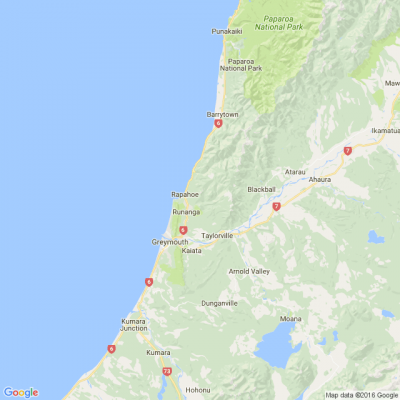
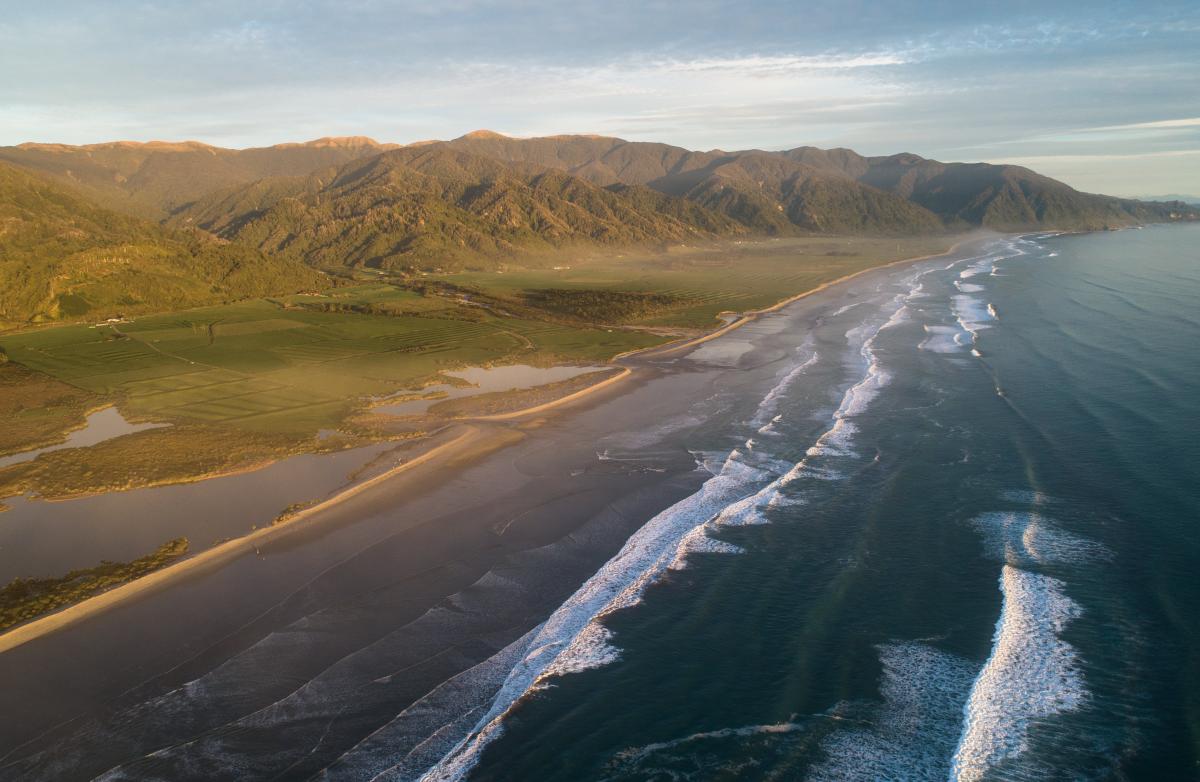
It is the second largest electorate by land area, stretching from Jackson Bay in the south to Farewell Spit in the north and as far east as the Southern Alps.
It adopted the traditionally blue-leaning settlement of Brightwater from Nelson to meet the population quota after the 2020 boundary review.
There are nine candidates standing for the electorate seat this year, including Jackie Farrelly (New Zealand First), Steve Richards (Greens), Kelly Lilley (ACT), Sue Grey (Outdoors and Freedom Party), and Richard Osmaston (Money Free Party). Sebastian Marinkovich is standing for New Zealand Loyal but is not on the party list after it only registered two of its candidates. Former Minerals West Coast manager and Westland District councillor Patrick Phelps is standing as an independent.
O’Connor took 48.5%, or 42,827, of the votes in 2020, 6208 more than National candidate Maureen Pugh, who is currently 26th on the National Party list.
Pugh, a farmer and former Westland mayor from Turiwhate, was the lowest ranking MP (number 19) to make it in on her party’s list in 2020. She previously described herself as a yo-yo MP since she narrowly missed entering Parliament on the list in the 2014 election, but came in after the resignation of Tim Groser in 2015. She again missed the cut on the list in 2017, but took a list seat after Bill English resigned in 2018.
O’Connor, a farmer from Westport, was first elected to Parliament in 1993 and holds ministerial portfolios in agriculture, biosecurity, land information, and trade and export growth, and is associate transport minister.
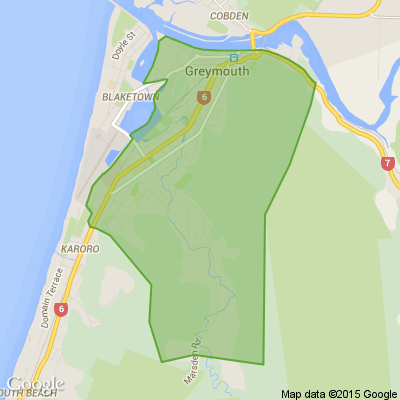
The electorate’s main population centres are Motueka, Westport, and Greymouth. It also includes the towns of Haast, Hokitika, Murchison, St Arnaud, Wakefield, Brightwater, and Tākaka. The electorate contains over half of New Zealand’s national parks.
Its 52,737 voters are mostly employed in agriculture, forestry and fishing industry (15.8%), followed by manufacturing (10.3%), and accommodation and food services (9.8%)
Over nine in 10 people in West Coast-Tasman are European (91.6%), the highest share among general electorates, and almost one-fifth (17.8%) use coal to heat their home.

A reminder this hunting season
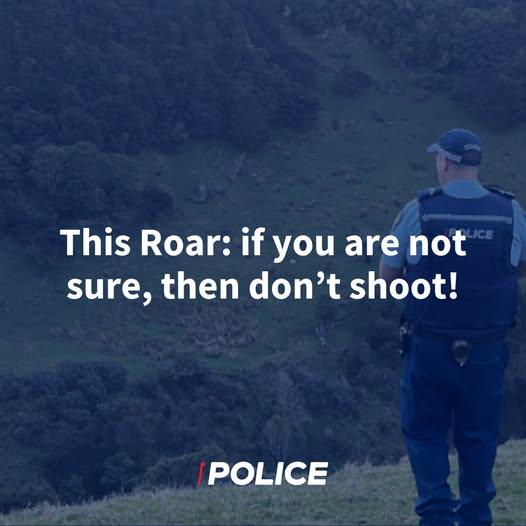
As thousands of hunters are making their plans for autumn – the Roar – recreational firearms groups are urging hunters to always be 100% sure of their targets.
Te Tari Pureke - Firearms Safety Authority NZ, which chairs the Recreational Firearms Users Group, has begun a public information campaign reminding hunters everywhere of Rule #4 of the Firearms Safety Code: to identify their target beyond all doubt.
Director Communities and Corporate, Mike McIlraith, says there is an estimated 50,000-60,000 New Zealanders involved in big game animal hunting each year, and the Roar is the key event for many hunters each year.
“The Roar is a fantastic time of year for hunters to get out into the hills after a trophy animal but hunting safely and making sure everyone gets home in one piece, still must be the most important goal of every trip,” says Mike McIlraith.
“The consequences of not fully identifying your target beyond all doubt can be catastrophic. Our message to hunters is a really simple one: If you are not sure, then don’t shoot.”
Mike McIlraith says while hunting fatalities are thankfully rare, research has shown that misidentification of the target is the largest firearms related risk to New Zealand deer hunters, and 80% of the time this involves members of the same hunting group.
The Authority says hunters should not feel pressured to take a shot: “Instead, hunters should take the time to analyse their target, wait and see if it is a hind or stag, how old is the animal, how many points does its antlers have? Identifying your target means never firing at sound, shape, colour or movement alone.”
Mike McIlraith says good hunters will slow down, and run through some simple mental checks:
- Can I see the whole animal, or could this be another hunter?
- Where are my hunting companions – could this be them or someone else?
- How much of the animal can you see, if it is a hind or stag, how old is the animal, how - many points does its antlers have?
“Taking a little extra time to identify your target and check the firing zone is the key to safer hunting. No meat or no trophy is better than no mate,” he says.

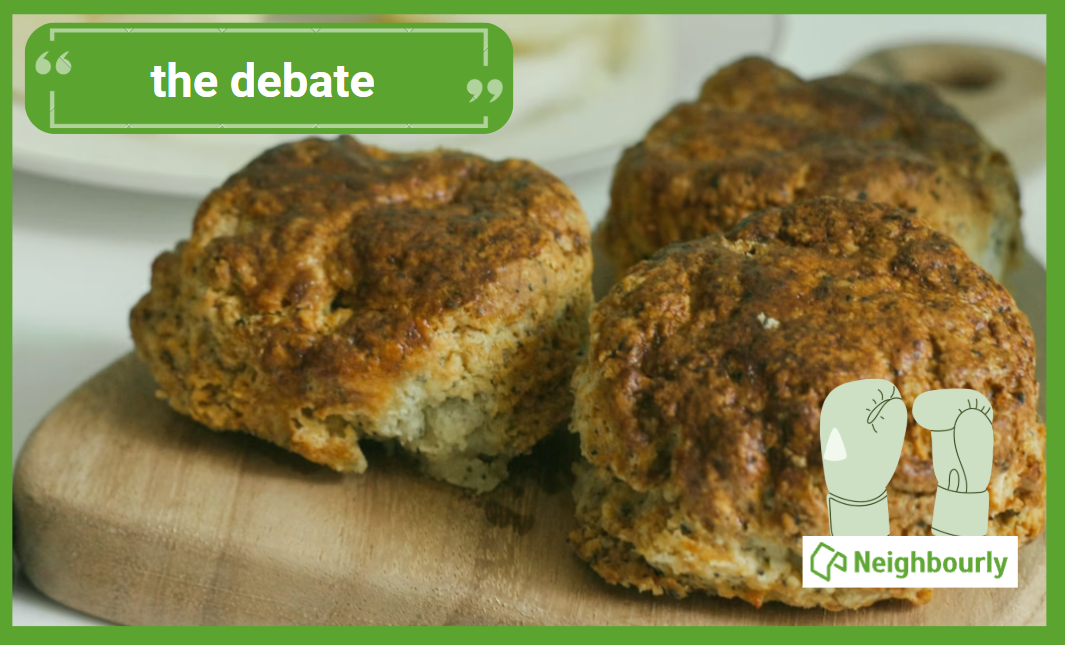
Poll: Does a savoury scone require cheese on top, or folded inside?
Help settle the great kiwi debate ... cheese on top, or folded inside?
-
76.4% Inside!
-
23.6% On top!

Don't overthink this riddle...
I have a silver sole
but no feet,
I make my living by bringing the heat.
What am I?
Do you think you know the answer? Simply 'Like' this post if you know the answer and the big reveal will be posted in the comments at 2pm on the day!
Want to stop seeing these in your newsfeed?
Head here and hover on the Following button on the top right of the page (and it will show Unfollow) and then click it. If it is giving you the option to Follow, then you've successfully unfollowed the Riddles page.

 Loading…