




Added compliance on farmers bemoaned
By Brendon McMahon, Local democracy reporter
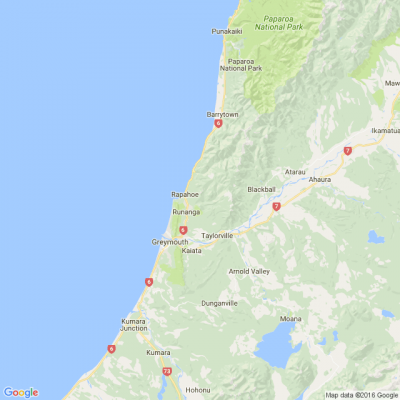
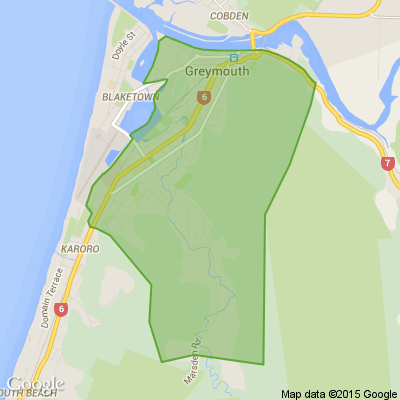
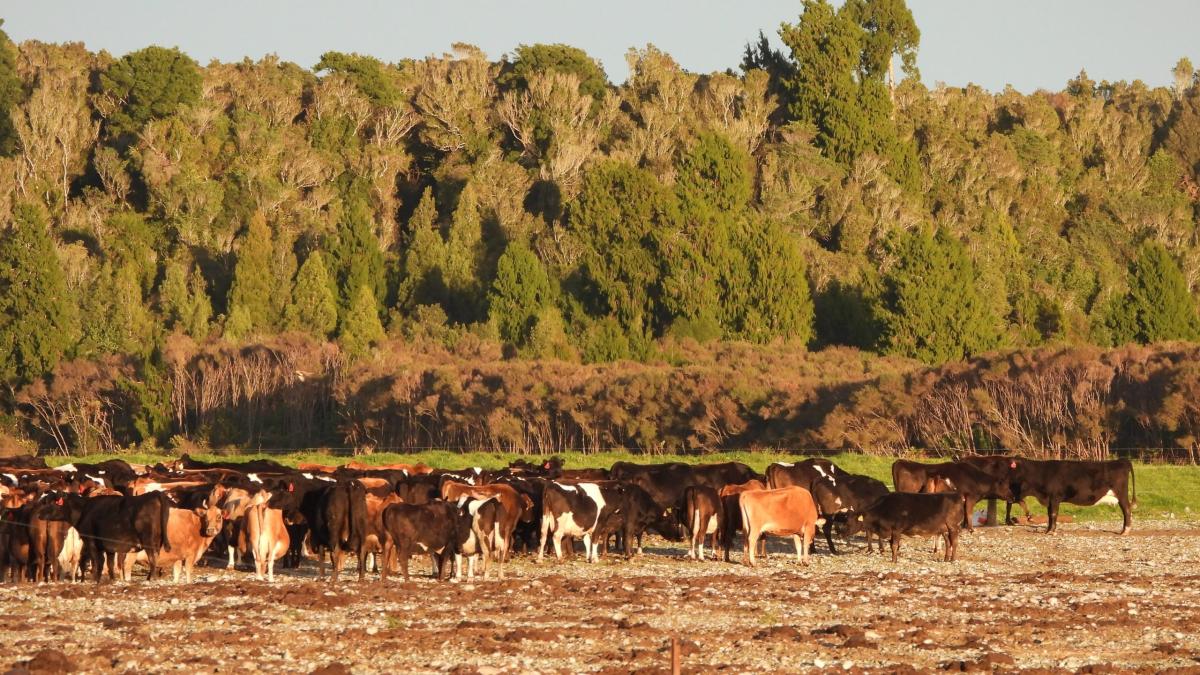
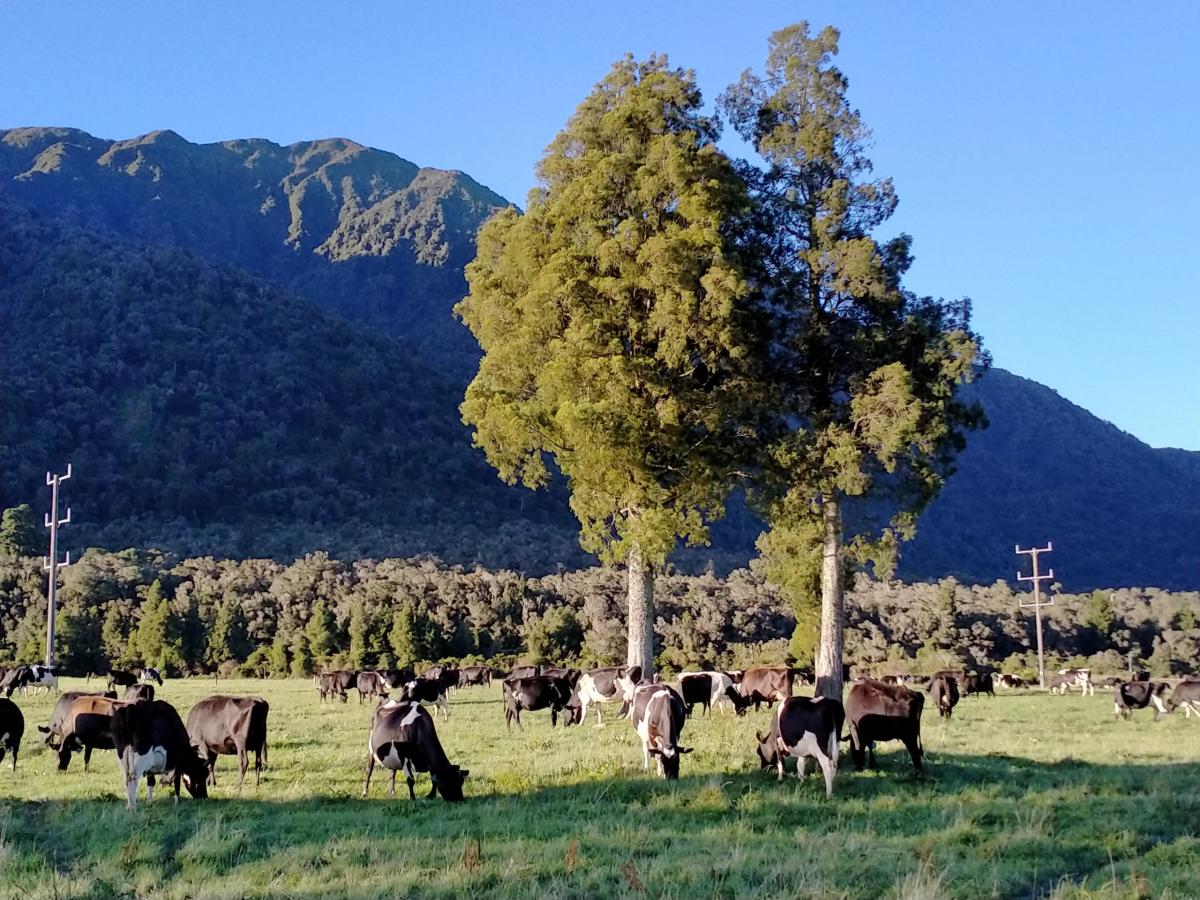
Frustrations with the cost of freshwater farm plans, rolling out from next month, have been aired at the West Coast Regional Council.
Council staff reporting to the Resource Management Committee meeting, on July 13, noted the pending freshwater farm plans from August.
As part of that an independent farm plan coordinator position for the region, funded by the Ministry for Primary Industries, had started.
According to a council science and planning staff report the plans will need to include:
* farm maps identifying features such as waterways, discharge of contaminant areas, and other risks to freshwater and freshwater ecosystems;
* A risk assessment across farming and growing activities such as irrigation, application of nutrients and effluent, winter grazing, stockholding (standoff) areas, stock exclusion, offal pits and farm rubbish pits;
* A schedule of actions to manage identified features and to address identified risks.
The plans will also need to be certified by a freshwater farm plan certifier appointed by the regional council, audited by a freshwater farm plan auditor, and enforced by the council.
Science and planning manager Fiona Thomson said the co-ordinator position was to provide support, education and advice to farmers on developing their farm plans -- with council staff to contribute to that.
Councillor Frank Dooley asked who was actually employing the co-ordinator and how accessible would they actually be to farmers.
Thomson said the position was "fully funded" by MPI and employed by them as an independent person, co-ordinating for the farmers.
Meantime a focus group had been pulled together including key stakeholders in the region such as Westland Milk Products.
The new co-ordinator, Lyn Carmichael, would be able to "direct people to the resource" in order for them to formulate their owner freshwater farm plan.
"At the moment we don't have anyone certified to do the farm plans or to be auditors."
Dooley noted a point made already by fellow councilor Andy Campbell, a South Westland dairy farmer, about escalating costs on the farming economy.
"We can't just keep loading up farmers with cost," Dooley said.
"Farmers are so darn important to the Coast. It's no use pointing out where you can get a consultant from Timbuktu ... these funds should filter down to the farmer.
"It's always the way, up all the consultants...we've got a world full of consultants. This country must be over run by consultants," Dooley said.
Thomson said the council also had some funding for the process to assist farmers as they formulated individual plans "they can write themselves".
However it was the end result that would require the tick-off.
Thomson said the idea was to build plan templates to "upskill to make it obvious what they should do".
Another aspect was accounting for the cultural perspective on water for Mana Whenua.
Campbell said the point was to ensure the whole process was not made "too complicated or hard".
Thomson admitted there was "a lot involved".
"Quite a lot has to happen behind the scenes before it regurgitates out and say, 'this is our farm plan'," she said.
*Public Interest Journalism funded through NZ On Air

Poll: Does a savoury scone require cheese on top, or folded inside?
Help settle the great kiwi debate ... cheese on top, or folded inside?
-
76.5% Inside!
-
23.5% On top!

A reminder this hunting season
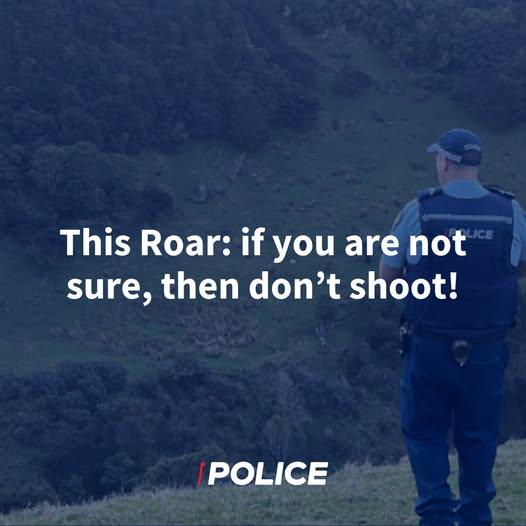
As thousands of hunters are making their plans for autumn – the Roar – recreational firearms groups are urging hunters to always be 100% sure of their targets.
Te Tari Pureke - Firearms Safety Authority NZ, which chairs the Recreational Firearms Users Group, has begun a public information campaign reminding hunters everywhere of Rule #4 of the Firearms Safety Code: to identify their target beyond all doubt.
Director Communities and Corporate, Mike McIlraith, says there is an estimated 50,000-60,000 New Zealanders involved in big game animal hunting each year, and the Roar is the key event for many hunters each year.
“The Roar is a fantastic time of year for hunters to get out into the hills after a trophy animal but hunting safely and making sure everyone gets home in one piece, still must be the most important goal of every trip,” says Mike McIlraith.
“The consequences of not fully identifying your target beyond all doubt can be catastrophic. Our message to hunters is a really simple one: If you are not sure, then don’t shoot.”
Mike McIlraith says while hunting fatalities are thankfully rare, research has shown that misidentification of the target is the largest firearms related risk to New Zealand deer hunters, and 80% of the time this involves members of the same hunting group.
The Authority says hunters should not feel pressured to take a shot: “Instead, hunters should take the time to analyse their target, wait and see if it is a hind or stag, how old is the animal, how many points does its antlers have? Identifying your target means never firing at sound, shape, colour or movement alone.”
Mike McIlraith says good hunters will slow down, and run through some simple mental checks:
- Can I see the whole animal, or could this be another hunter?
- Where are my hunting companions – could this be them or someone else?
- How much of the animal can you see, if it is a hind or stag, how old is the animal, how - many points does its antlers have?
“Taking a little extra time to identify your target and check the firing zone is the key to safer hunting. No meat or no trophy is better than no mate,” he says.

Don't overthink this riddle...
I have a silver sole
but no feet,
I make my living by bringing the heat.
What am I?
Do you think you know the answer? Simply 'Like' this post if you know the answer and the big reveal will be posted in the comments at 2pm on the day!
Want to stop seeing these in your newsfeed?
Head here and hover on the Following button on the top right of the page (and it will show Unfollow) and then click it. If it is giving you the option to Follow, then you've successfully unfollowed the Riddles page.

 Loading…