





West Coast school phases out coal
By local democracy reporter Brendon McMahon:
South Westland Area School at Harihari is a hive of activity and it is not just the usual daily comings and goings of children.
Builders and tradespeople have occupied the school over the past couple of months, transforming the way it is heated, as part of the Government's programme to phase out coal-fired boilers in schools.
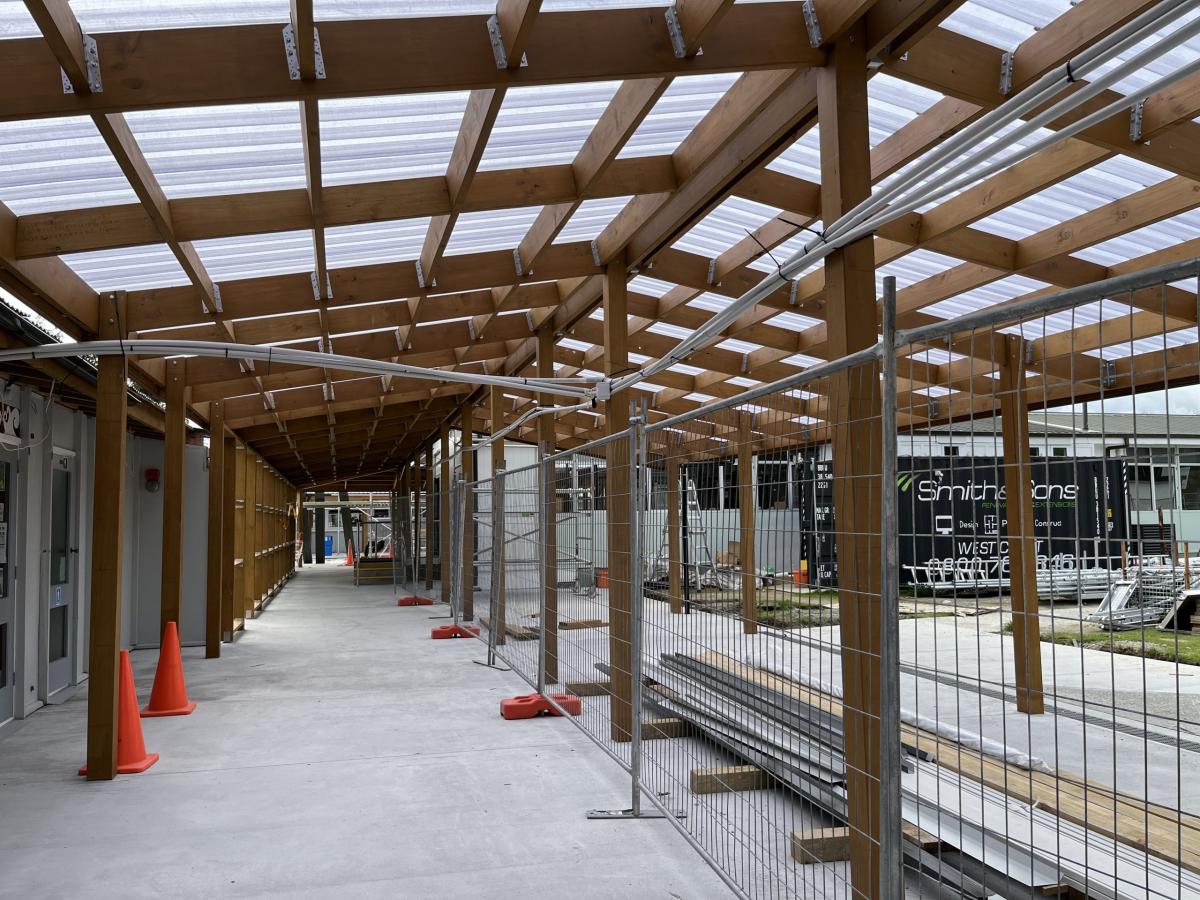
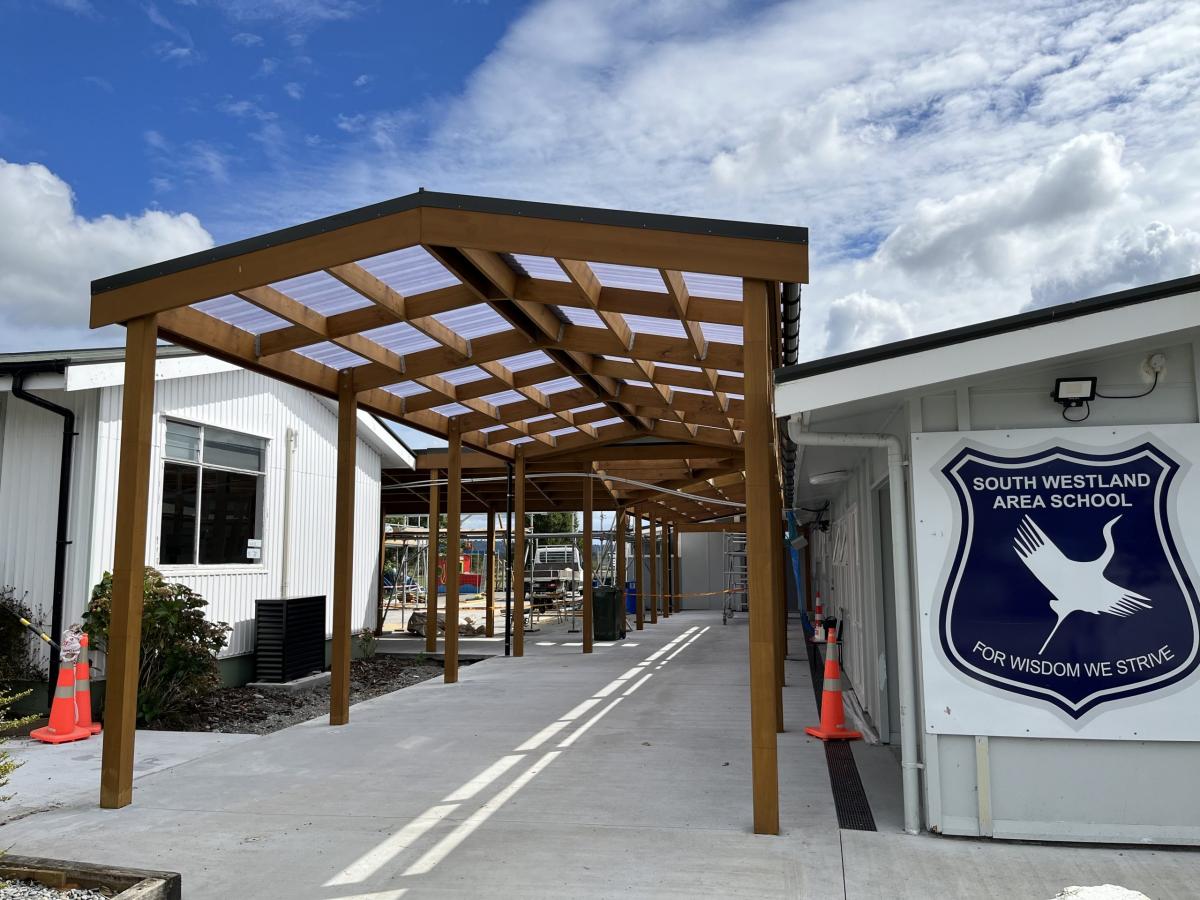
At the same time, the school is taking on a more cohesive appearance with a rebuild of covered paths and the addition of an all-weather outdoor lunch space.
Principal Nick Glancy said the zero carbon emissions initiative, costing at least $1.5million, was ''a massive project'' for the school.
The project was directly managed and funded through the Ministry of Education to phase out the traditional coal-fire boiler-radiator system and to bring heat pump technology to every learning area. That had necessitated an electrical upgrade across the site.
''They've had to upgrade all the electrical throughout the school, so the whole place has been dug up to put the power cables underground. That's due to be completed in early April.''
The school pool will also benefit from the heat pump-based system, Glancy said.
Work also started in mid-December on replacing covered areas between various buildings.
Glancy said that work was a part of a long-term maintenance plan developed for the school.
This followed the recent rebuild, which was the result of a significant fire at the site, and the ongoing work was part of a project to weatherproof and re-clad the school.
Central to this and linked to the healthy school lunch scheme was the new outdoor lunch area, which was nearly completed, he said.
Once finished, the all-weather canopy area would be complemented by tables and chairs, which would present a new opportunity for the school to promote positive social connection as a learning experience.
Glancy said the opportunity for pupils to sit at a table and interact with their peers and staff could not be underestimated, particularly as some young people did not necessarily always have the opportunity of sitting down at a table for meal time at home.
''It's just created a really good opportunity ... this one is pretty exciting.''
Currently, the area school roll sat at a ''very healthy'' 115, with the secondary roll for year 9 to 13 pupils, at 65.
The school continued to draw secondary-age pupils from Ross, 45 minutes drive away, down to Whataroa and the glaciers.

Don't overthink this riddle...
I have a silver sole
but no feet,
I make my living by bringing the heat.
What am I?
Do you think you know the answer? Simply 'Like' this post if you know the answer and the big reveal will be posted in the comments at 2pm on the day!
Want to stop seeing these in your newsfeed?
Head here and hover on the Following button on the top right of the page (and it will show Unfollow) and then click it. If it is giving you the option to Follow, then you've successfully unfollowed the Riddles page.


Poll: Does a savoury scone require cheese on top, or folded inside?
Help settle the great kiwi debate ... cheese on top, or folded inside?

-
76.5% Inside!
-
23.5% On top!

A reminder this hunting season
As thousands of hunters are making their plans for autumn – the Roar – recreational firearms groups are urging hunters to always be 100% sure of their targets.
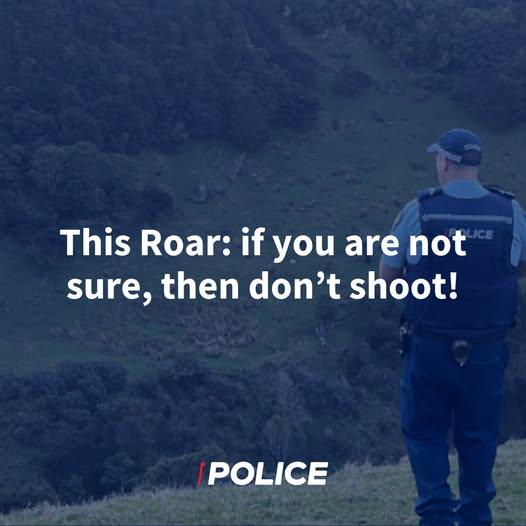
Te Tari Pureke - Firearms Safety Authority NZ, which chairs the Recreational Firearms Users Group, has begun a public information campaign reminding hunters everywhere of Rule #4 of the Firearms Safety Code: to identify their target beyond all doubt.
Director Communities and Corporate, Mike McIlraith, says there is an estimated 50,000-60,000 New Zealanders involved in big game animal hunting each year, and the Roar is the key event for many hunters each year.
“The Roar is a fantastic time of year for hunters to get out into the hills after a trophy animal but hunting safely and making sure everyone gets home in one piece, still must be the most important goal of every trip,” says Mike McIlraith.
“The consequences of not fully identifying your target beyond all doubt can be catastrophic. Our message to hunters is a really simple one: If you are not sure, then don’t shoot.”
Mike McIlraith says while hunting fatalities are thankfully rare, research has shown that misidentification of the target is the largest firearms related risk to New Zealand deer hunters, and 80% of the time this involves members of the same hunting group.
The Authority says hunters should not feel pressured to take a shot: “Instead, hunters should take the time to analyse their target, wait and see if it is a hind or stag, how old is the animal, how many points does its antlers have? Identifying your target means never firing at sound, shape, colour or movement alone.”
Mike McIlraith says good hunters will slow down, and run through some simple mental checks:
- Can I see the whole animal, or could this be another hunter?
- Where are my hunting companions – could this be them or someone else?
- How much of the animal can you see, if it is a hind or stag, how old is the animal, how - many points does its antlers have?
“Taking a little extra time to identify your target and check the firing zone is the key to safer hunting. No meat or no trophy is better than no mate,” he says.
 Loading…