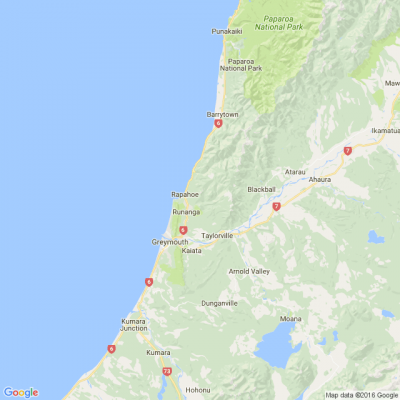
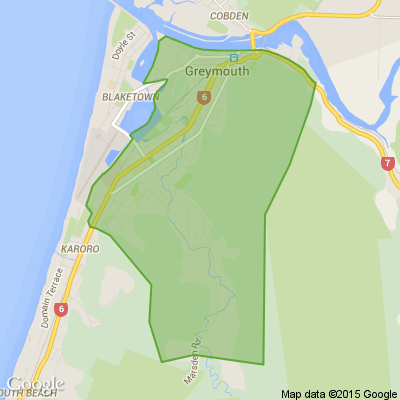





Hokitika River threat a 'disaster waiting to happen'
From local democracy reporter Brendon McMahon:
A billion-dollar business that underpins the West Coast economy is under threat for want of better flood protection on the Hokitika River.
"It's a disaster waiting to happen."
That was the pithy message from long-time Grey Valley dairy farmer and former Grey district councillor Paul Berry to the West Coast Regional Council last week.
"Seriously, it could flood tomorrow," Berry said in a to-the-point presentation to the council's Infrastructure Governance Committee.
Strengthening the floodwall on the northern channel of the Hokitika River, where it was cutting into the bank behind the Westland Milk Products dairy factory, should have started three months ago.
With his 60-year experience of big West Coast rivers and knowing their ability to suddenly change course, he said no one could afford complacency about what could happen with the Hokitika River.
"That job needed starting two to three months ago. There are over 300 family farms in our region and they need their milk picked up 24/7, and if anything like has happened in the North Island comes up, it's bad news for the factory.
"It's a disaster just waiting to happen - and we don't need another one," Berry told the committee.
A solution for the riverbank including heightening it has been in the planning for the past year. The regional council gained several millions of 'shovel ready' money from the Government to improve flood protection along the lower Hokitika River bordering the residential and town centre.
However, with the departure of key staff at the regional council, the project has lagged.
Former Westland mayor Bruce Smith warned before the local body elections last year that the regional council and Westland District Council faced "litigation risk" if they did not get on with it.
Last week, councillor Peter Haddock asked Berry how he rated the current risk on the Hokitika River behind the dairy factory.
Berry said he could only speak on the basis of "the university of life".
But to him if an 'old man flood' arrived now he could not see anything less than a catastrophe - not only for the factory but also residential Hokitika.
The river was chewing its way towards an old channel and was now within metres of being a major threat to the entire area.
"It's curtains. Rivers like soft curves [and] chewing out gravel. We can't make it any clearer than that."
Infrastructure committee chairperson councillor Frank Dooley said from what Berry was saying, the dairy factory was "extremely vulnerable".
"It is not only the biggest employer on the West Coast but creates the most income per GDP," Dooley said, so the council had a responsibility to act with urgency.
Haddock said there was also the environmental factor to consider if the dairy factory was affected by flooding, leaving farmers from Karamea to Fox Glacier having to dump their milk.
Councillor Andy Campbell, a Harihari dairy farmer, said the threat to the dairy industry was too important to leave until after the event to fix.
"We can't wait for big floods and want to do something about it ... it's a $1 billion industry."
Dooley said the proposed Hokitika River protection scheme was due to be discussed in-committee but he assured Berry "we are on to it".
*Public interest journalism funded through NZ On Air.

Poll: Should we ditch daylight saving? 🕰️
First introduced in New Zealand in 1927 with the passing of the Summer Time Act, it's what we know as 'Daylight Saving' and this year it ends on the first Sunday in April.
While we do get to sleep in this time around, some people would like to scrap the clock tinkering for good.
And why? Some evidence suggests the time changes are bad for our health as they mess with sleep patterns leading to short-term fatigue and affecting mood. Meanwhile the hour change is frustrating for farmers and a nightmare for getting the littlies to sleep. But what's your take?

-
0% Yes - get rid of the clock changes
-
0% No, I enjoy it
-
0% Other - I'll share below
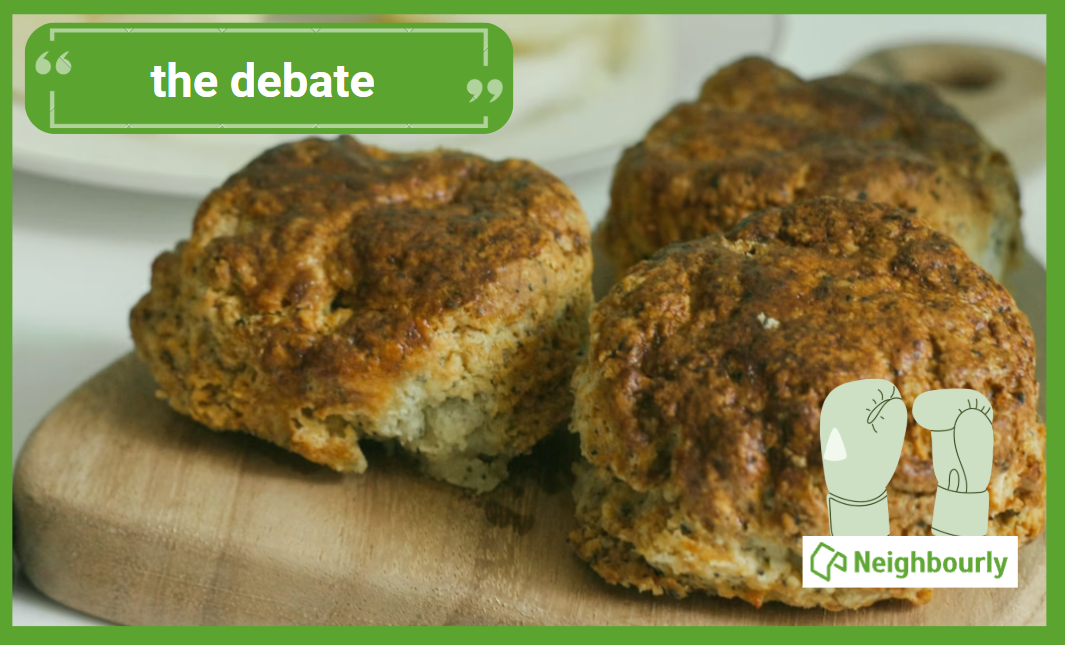
Poll: Does a savoury scone require cheese on top, or folded inside?
Help settle the great kiwi debate ... cheese on top, or folded inside?
-
76.4% Inside!
-
23.6% On top!

Don't overthink this riddle...
I have a silver sole
but no feet,
I make my living by bringing the heat.
What am I?
Do you think you know the answer? Simply 'Like' this post if you know the answer and the big reveal will be posted in the comments at 2pm on the day!
Want to stop seeing these in your newsfeed?
Head here and hover on the Following button on the top right of the page (and it will show Unfollow) and then click it. If it is giving you the option to Follow, then you've successfully unfollowed the Riddles page.

 Loading…