




West Coast tourism lull should not impact road funding
From local democracy reporter Brendon McMahon:
Fears the West Coast might lose some of its road funding due to tourists disappearing during Covid-19 has been ruled out.
And the question of low fatalities in the region in the past few years due to traffic volumes dropping radically, will not necessarily disadvantage the region, the West Coast Regional Transport Committee has heard.
During a recent meeting, West Coast Regional Council representative Peter Ewen asked if Waka Kotahi (NZTA) kept a database of fatalities for the region.
Regional relationships director James Caygill said the Coast had few fatalities "because the population is low".
Caygill said the Coast stats could easily be skewed.
In 2019, the last full tourist season, there had been 22 serious "severe injury" crashes with the overall total of 25 including three road deaths.
Caygill said the West Coast numbers were relatively low compared with the neighbouring region of Canterbury, which had 365 death and serious injury crashes in 2019.
Another factor was how crash data arrived in the system. For instance the way police entered official data "doesn't take into account near misses".
However, if all crashes were looked at from a health and safety point of view then a near miss was "just as important to capture", Caygill said.
Other factors like the backlog in the coronial process was a factor affecting the statistics.
However site specific crash data was available and the NZTA was working with the police to record crash factors when entering data, including impairment, driver distraction, and speed.
NZTA speed management project team member Mike Creamer said research suggested for every fatality there had been 600 near misses.
"For that reason the way we are talking about the roads now is not whether the crashes are occurring, but where is the risk?"
Those risks included the road shape, traffic volumes, and alignment. Statistics did not tell "the full story" and were only indicative of where a road issue might be.
"There's an awful lot of anecdotal evidence of a lot of crashes on a particular stretch of road," Creamer said.
Caygill said they were "painfully aware" Covid-19 had changed West Coast road crash statistics on particular roads.
"But I'm not sure that we can declare victory because [crash] numbers are going down and therefore pull funding out of the region and take it somewhere else.
"We've still got an underlying risk that we need to manage and if and when tourism returns, in the way it did or some new way."
Doing nothing would see the stats rise again.
"I wouldn't worry that those statistics in the short term are going to lead to a decision to move funding elsewhere. We're interested in the underlying risk."
* Public interest journalism funded through NZ On Air

Poll: Should we ditch daylight saving? 🕰️
First introduced in New Zealand in 1927 with the passing of the Summer Time Act, it's what we know as 'Daylight Saving' and this year it ends on the first Sunday in April.
While we do get to sleep in this time around, some people would like to scrap the clock tinkering for good.
And why? Some evidence suggests the time changes are bad for our health as they mess with sleep patterns leading to short-term fatigue and affecting mood. Meanwhile the hour change is frustrating for farmers and a nightmare for getting the littlies to sleep. But what's your take?
-
34.1% Yes - get rid of the clock changes
-
64.8% No, I enjoy it
-
1.1% Other - I'll share below
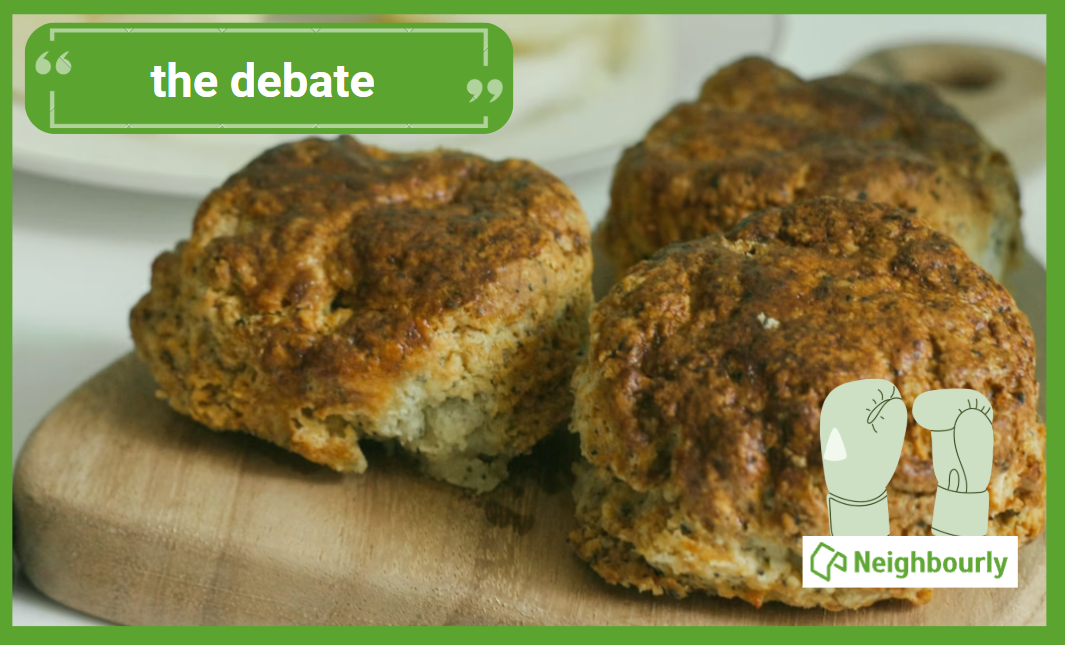
Poll: Does a savoury scone require cheese on top, or folded inside?
Help settle the great kiwi debate ... cheese on top, or folded inside?
-
76.3% Inside!
-
23.7% On top!

Don't overthink this riddle...
I have a silver sole
but no feet,
I make my living by bringing the heat.
What am I?
Do you think you know the answer? Simply 'Like' this post if you know the answer and the big reveal will be posted in the comments at 2pm on the day!
Want to stop seeing these in your newsfeed?
Head here and hover on the Following button on the top right of the page (and it will show Unfollow) and then click it. If it is giving you the option to Follow, then you've successfully unfollowed the Riddles page.
 Loading…