





Improving the law for dividing property when relationships end - Have your say
Links have been added for: This page, review page, public consultation page, Christchurch event page
When should the law treat two people as a couple? What property should they share if they break up and what property should only belong to one of them?
New Zealand has changed a lot in the last forty years, including how relationships and families are formed, how they function and what happens when relationships end.
The Law Commission is reviewing the 40-year-old Property (Relationships) Act 1976, which sets the rules for how to divide a couple’s property at the end of a relationship, and they want to hear your views.
The Law Commission has developed a paper, Dividing Relationship Property: Time for Change? - Te mātaatoha rawa tokorau – Kua eke te wā? This paper asks New Zealanders how the law could be better. You can view the Issues Paper and summary document, and access online consultation platform, from 16 October on this website.
A series of public meetings is being held around the country. Members of the Law Commission will be available to answer your questions and hear your feedback on the Issues Paper.
Some of the questions the Commission is asking are:
Does the law apply to the right relationships?
Is the right property being shared?
What should happen when trusts are used to hold property?
What should happen if one person is financially worse-off after their relationship ends?
Is tikanga Māori recognised?
How should the law meet the interests of children?
How can the law be inexpensive, simple and speedy while still being just?
Should the same law that applies when a couple separates also apply when one partner dies?

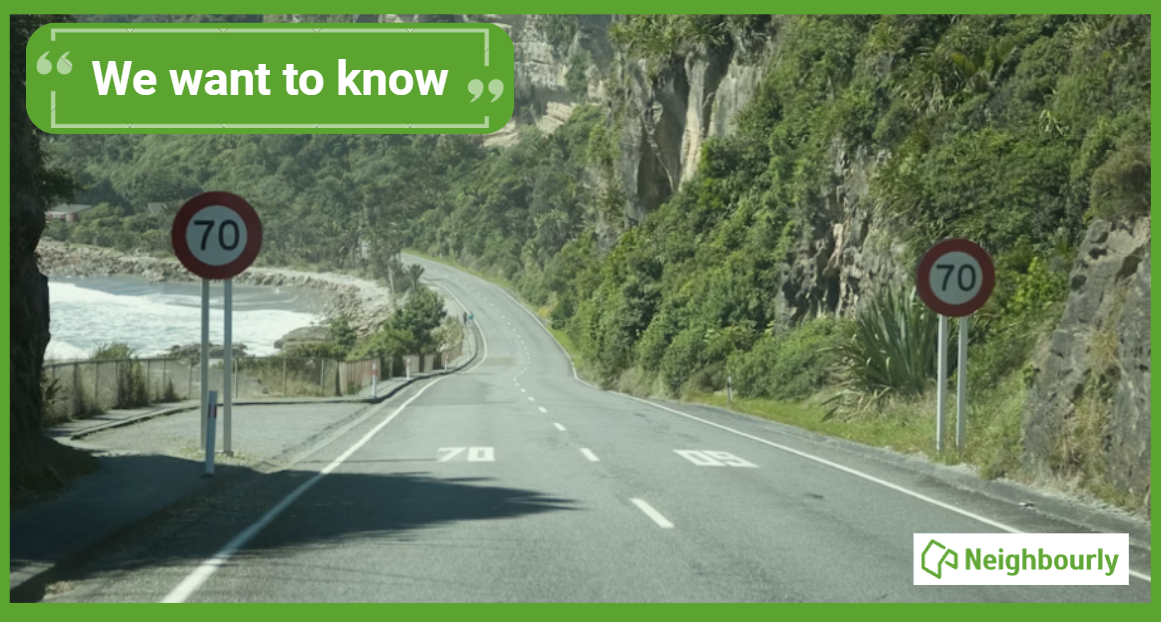
Poll: If we want to reduce speeding, what do you think actually changes driver behaviour? 🛻🚨🚓
In the Post's article on speeding penalties, the question is asked whether speeding fines are truly about road safety, or are they just a way to boost revenue for the Crown?
What do you think? Should speeding motorists receive speeding fines or demerit points?
-
36.8% The sting of a fine (Money talks!)
-
63.2% The threat of demerit points (Nobody wants to lose their license!)

🎉 Riddle me this, legends! 🎉
He/She who makes it, sells it.
He/She who buys it, doesn't use it.
The user doesn't know they are using it.
What is it?
(Shezz from Ngāruawāhia kindly provided this head-scratcher ... thanks, Shezz!)
Do you think you know the answer? Simply 'Like' this post if you know the answer and the big reveal will be posted in the comments at 2pm on the day!
Want to stop seeing these in your newsfeed?
Head here and hover on the Following button on the top right of the page (and it will show Unfollow) and then click it. If it is giving you the option to Follow, then you've successfully unfollowed the Riddles page.
Scam Alert: Bank cold calls
ASB is warning customers about reports of cold calls from scammers claiming to be from ASB. These scammers are trying to obtain personal information, including usernames, dates of birth, and verification codes sent to your mobile phone.
🛡️ The "Caller Check" Test
If you get a call from someone claiming to be from ASB and you’re unsure, just ask them for a Caller Check. You will then be able to verify the call through the app.
Remember, banks will:
❌ Never ask for your banking passwords, PINs, or verification codes
❌ Never need to know your full credit card number – especially the CVC
❌ Never ask you to download software or remotely access your device
❌ Never ask you to purchase gift cards or transfer funds.
If you have received a phone call and think your account has been compromised, call ASB on 0800 ASB FRAUD (0800 272 372), or visit your local branch.
 Loading…