






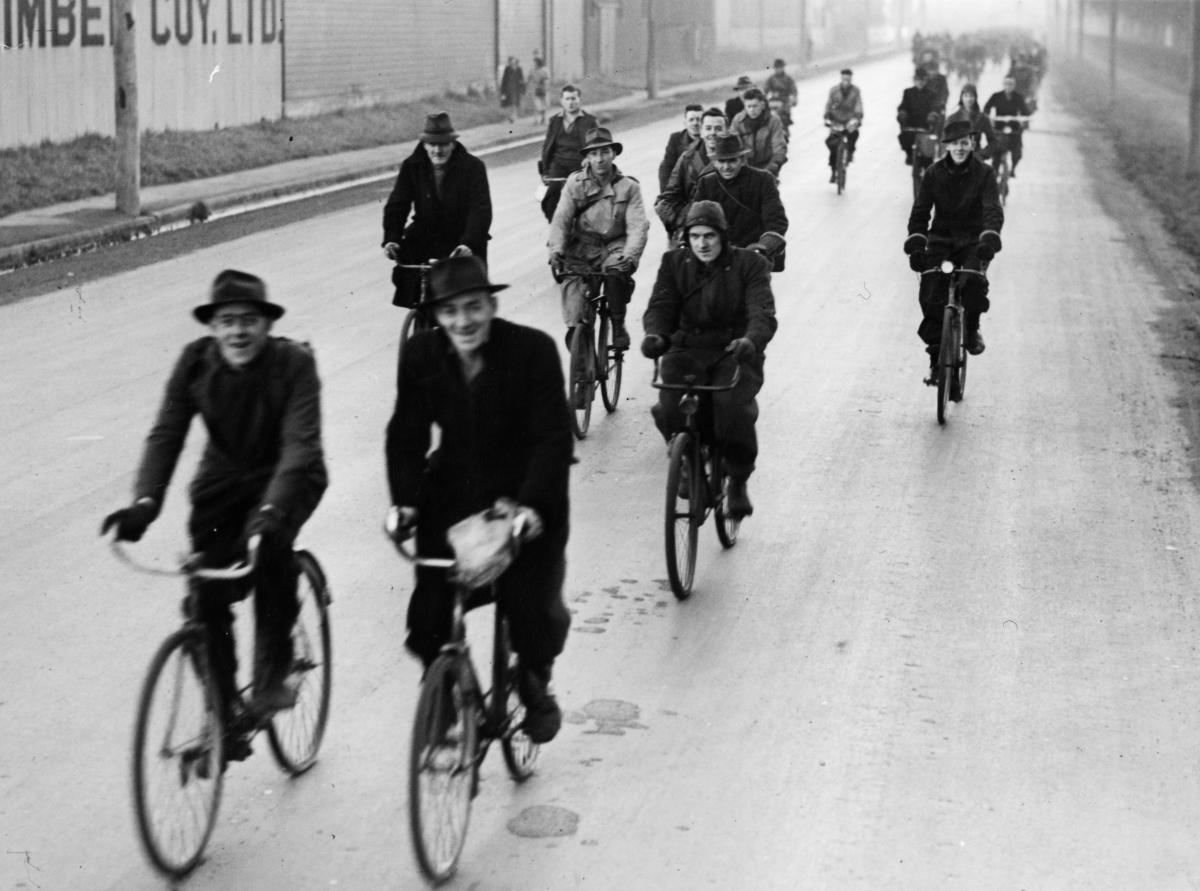
Throwback Thursday: On yer bike
Employees of the Addington railway workshops pedal homeward on a cold July evening in
1946.
The workshops stood at what is now Tower Junction. They built, maintained and repaired railway stock and were a major employer in Christchurch.
The Christchurch terrain suited cycling and the city was known for its bikes. Few workers owned cars, so bikes and trams dominated city streets after the 5pm knock-off time.
The 40-hour week and eight-hour working day, introduced 10 years earlier but in general practice only from 1946, contributed to the 5 o'clock rush.

🪱🐦 When are you the most productive? 🌙🦉
The Post has been diving into our daily habits, and research suggests being an early bird or a night owl isn’t just a choice—it’s biology! We all have that specific time when our brains finally "click" into gear.
This raises a big question for the modern workplace. To get the best out of everyone, should employers accommodate our natural body clocks? This idea is at the heart of the four-day work week and flexible scheduling movements.
We want to hear from you:
1. When does your brain "click" into gear?
2. Would a flexible (or shortened) schedule change the way you work?


Premature theft
Increasing the cost of fuel in anticipation before any actual justification I regard as blatant premeditated theft.
The CEO's who condone this premature theft for their share holders BEFORE they have any justified reasons will not be so quick and prematurely reduce the price when the situation is reduced.
Nor if the situation is quickly restored will they arrange payback if they have over reacted.
Thank you for your attention to this matter.
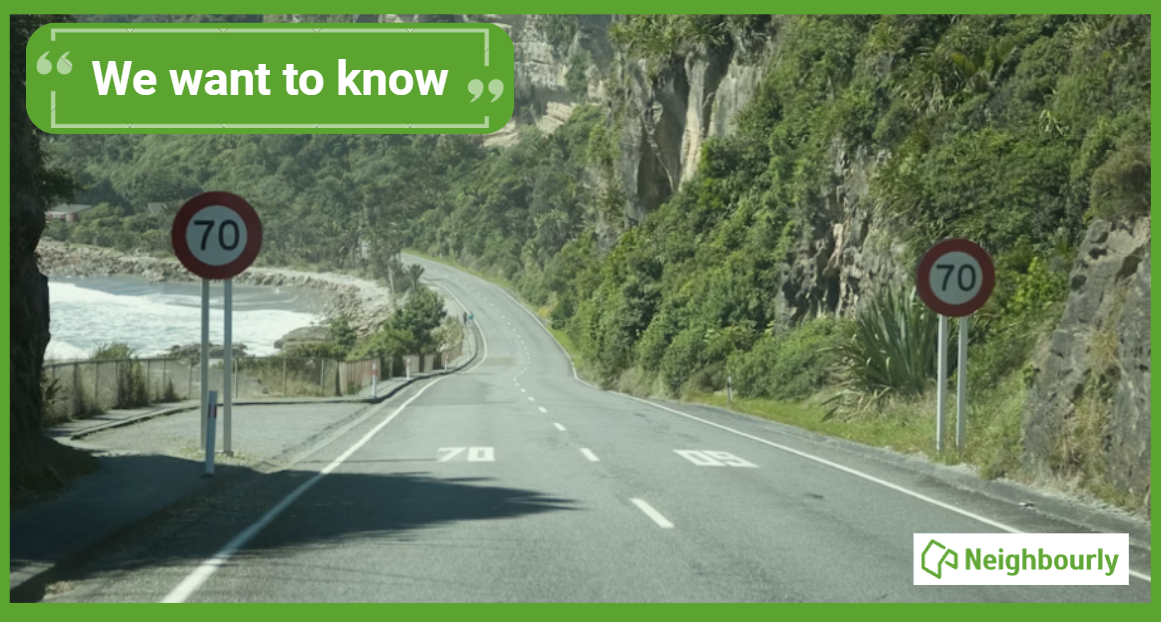
Poll: If we want to reduce speeding, what do you think actually changes driver behaviour? 🛻🚨🚓
In the Post's article on speeding penalties, the question is asked whether speeding fines are truly about road safety, or are they just a way to boost revenue for the Crown?
What do you think? Should speeding motorists receive speeding fines or demerit points?
-
35.8% The sting of a fine (Money talks!)
-
64.2% The threat of demerit points (Nobody wants to lose their license!)
 Loading…