





Residents plead with council to resolve long-term flooding issues
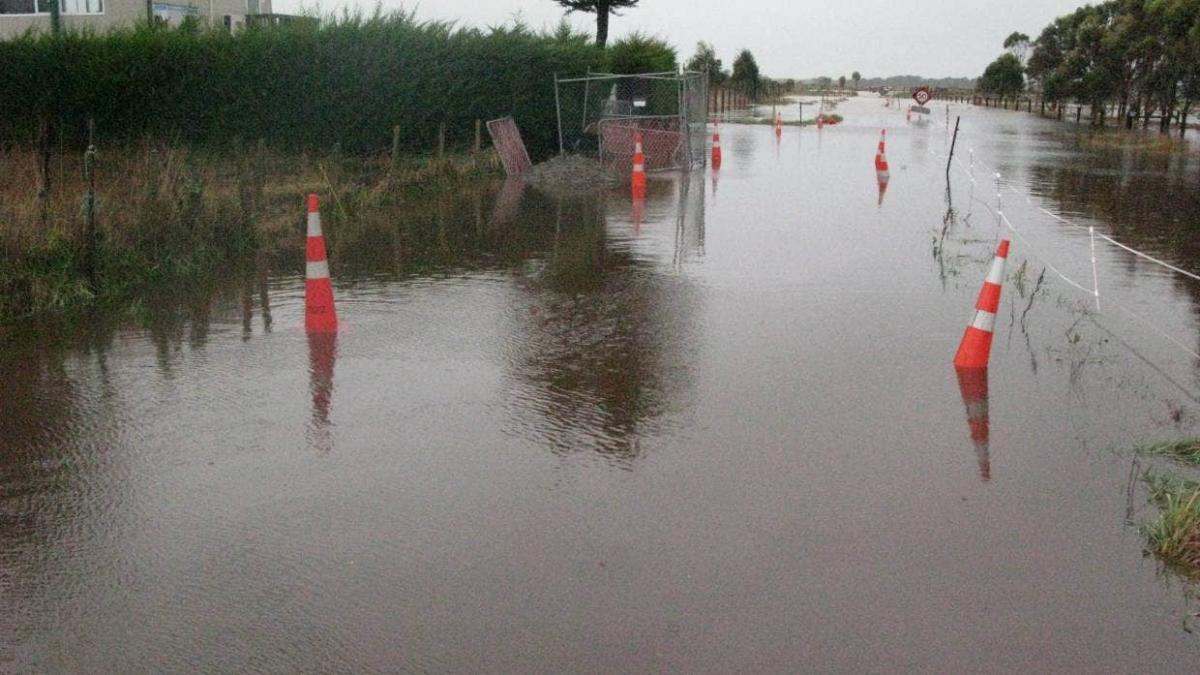
Brooklands and Spencerville residents are exhausted and fed up worrying about the threat of regular flooding and are pleading with the Christchurch City Council to do something about it.
A petition, signed by 159 residents of the two settlements on the city’s northern outskirts, was presented to the council on Thursday.
The residents want the council to build a stop bank around the lagoon to prevent flooding of their properties.
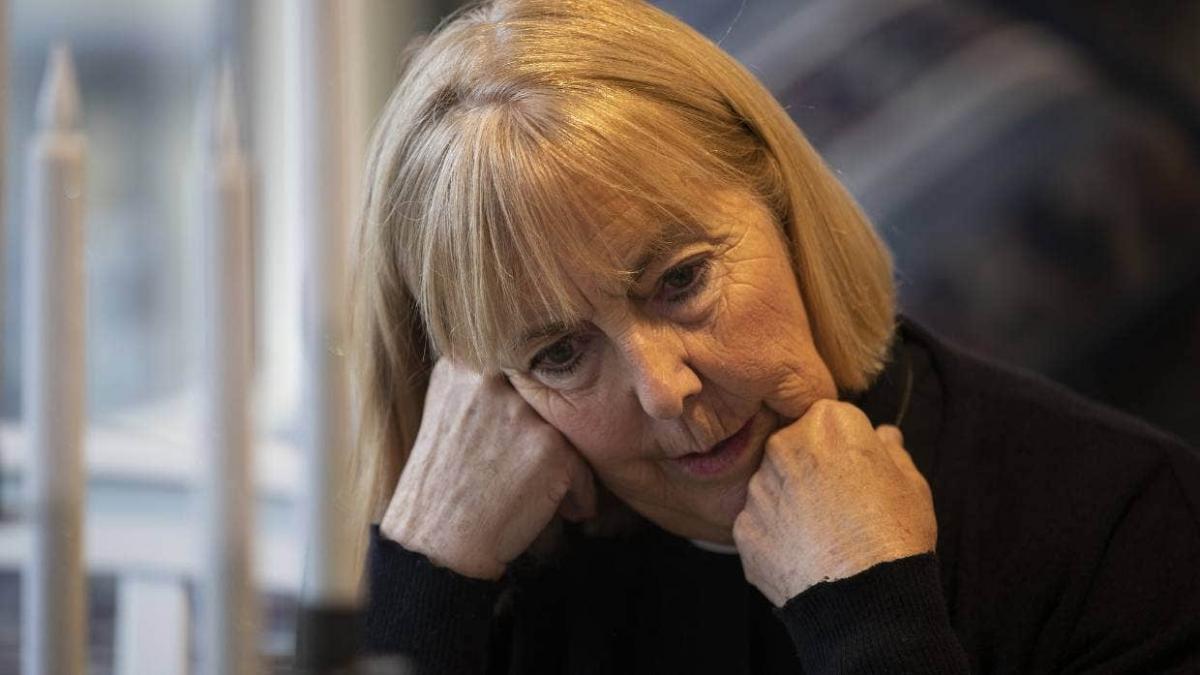
Community leader Amanda Neil told the council, residents were exhausted trying to maintain their resilience.
“They are worried and anxious every time the rain starts and all the more so when it continues all day and night.
”They are desperately concerned for their family’s safety and their homes which are constantly under threat of damage and further devaluation.
”They lose far too much sleep which can severely and sadly affect their mental health.”
A large part of Brooklands was red-zoned after the 2011 quake, but not all of it.
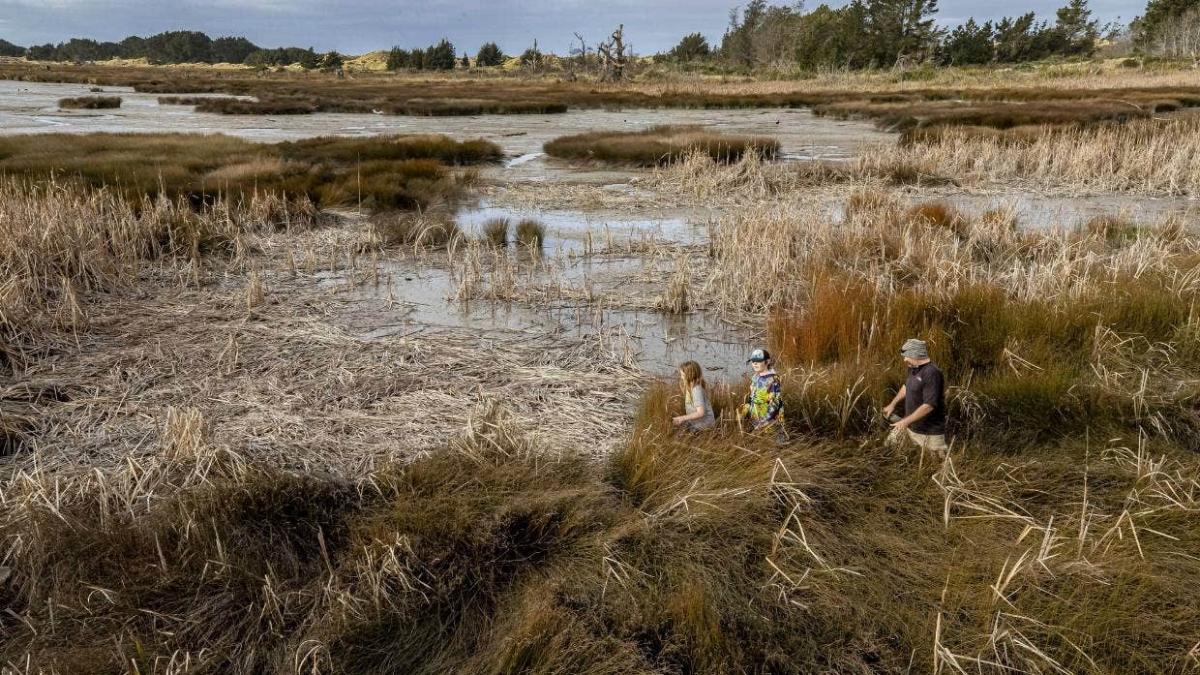
Brooklands and Spencerville were prone to flooding because they were low-lying and nestled between the Styx River and the Brooklands Lagoon, which feed into the mouth of the Waimakariri River.
Neil has been trying to get the council’s attention since being evacuated from her Brooklands home by local fire crews during a 2017 storm.
Flooding caused her outdoor power box to explode, setting a hedge on fire.
“If we continue to try living in denial, we will end up trying to live in de-Waimak.”
Neil urged the council to spend the money needed to build the stop bank.
“Hardly anyone believes any more that any help will come.”
Another resident Jan Burney urged the council to end the uncertainty and to consult with the people.
She appealed to the council to address earthquake damage, sea-level rise and climate changes to ensure sustainable outcomes for everyone.
As a result of Neil’s petition, the council requested staff advice on the issue.
Mayor Lianne Dalziel thanked Neil for her “passion and commitment”.
Dalziel pointed out that Environment Canterbury (ECan) was responsible for the Waimakariri stop banks and the city council was responsible for the Styx River banks.
Council chief executive Dawn Baxendale said she expected staff to talk with ECan and the two authorities to come to conclusions together.
In a response to questions provided to Stuff before the meeting, council planning and consents head John Higgins said it was likely the issues around Brooklands and Spencerville would be addressed as part of the council’s plan to deal with the impacts of sea level rise.
The newly established coastal hazards adaptation planning programme would begin in the Lyttelton Harbour basin in spring.
But exactly when Brooklands and Spencerville would be looked at as part of the programme had not been decided, Higgins said.

🧩😏 Riddle me this, Neighbours…
I am an odd number. Take away a letter and I become even. What number am I?
Do you think you know the answer?
Want to stop seeing these in your newsfeed? No worries! Simply head here and click once on the Following button.


Scam Alert: Bank cold calls
ASB is warning customers about reports of cold calls from scammers claiming to be from ASB. These scammers are trying to obtain personal information, including usernames, dates of birth, and verification codes sent to your mobile phone.
🛡️ The "Caller Check" Test
If you get a call from someone claiming to be from ASB and you’re unsure, just ask them for a Caller Check. You will then be able to verify the call through the app.
Remember, banks will:
❌ Never ask for your banking passwords, PINs, or verification codes
❌ Never need to know your full credit card number – especially the CVC
❌ Never ask you to download software or remotely access your device
❌ Never ask you to purchase gift cards or transfer funds.
If you have received a phone call and think your account has been compromised, call ASB on 0800 ASB FRAUD (0800 272 372), or visit your local branch.

Some Choice News!
DOC is rolling out a new tool to help figure out what to tackle first when it comes to protecting our threatened species and the things putting them at risk.
Why does this matter? As Nikki Macdonald from The Post points out, we’re a country with around 4,400 threatened species. With limited time and funding, conservation has always meant making tough calls about what gets attention first.
For the first time, DOC has put real numbers around what it would take to do everything needed to properly safeguard our unique natural environment. The new BioInvest tool shows the scale of the challenge: 310,177 actions across 28,007 sites.
Now that we can see the full picture, it brings the big question into focus: how much do we, as Kiwis, truly value protecting nature — and what are we prepared to invest to make it happen?
We hope this brings a smile!

 Loading…