





Coronavirus cases highly likely to arrive in NZ , health officials say as they seek extra quarantine powers
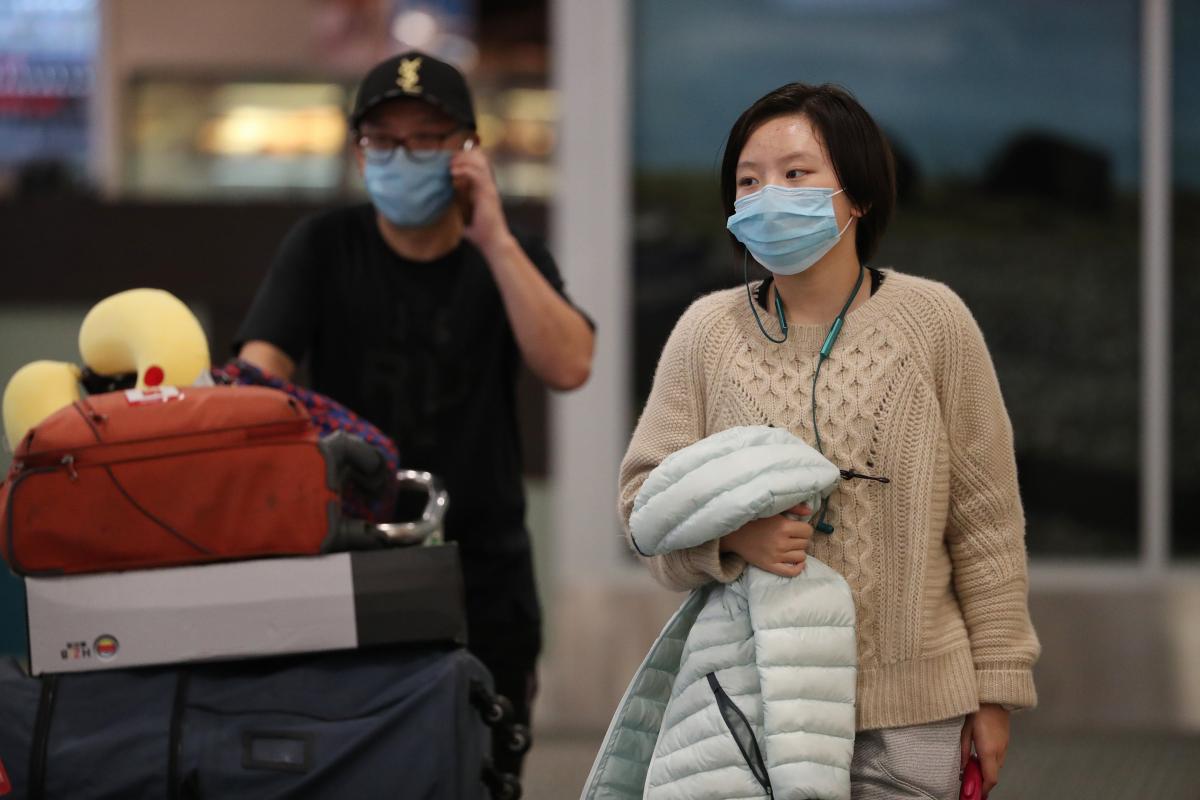
There is a high chance that the deadly coronavirus will make it to New Zealand, health officials say, but that doesn't mean you should panic.
Director-General of Health Dr Ashley BloomfieldBloomfield said cases in New Zealand of the new outbreak, which has killed 56 people and infected thousands overseas, were likely.
Hospitals ICU units were already stepping up in preparation for the possibility of severely ill people with the virus. This was because while the virus was unlikely to kill anyone in New Zealand, figures out of China show about one-in-five people who were infected became severely ill.
Read more about coronavirus and New Zealand's response here
Premature theft
Increasing the cost of fuel in anticipation before any actual justification I regard as blatant premeditated theft.
The CEO's who condone this premature theft for their share holders BEFORE they have any justified reasons will not be so quick and prematurely reduce the price when the situation is reduced.
Nor if the situation is quickly restored will they arrange payback if they have over reacted.
Thank you for your attention to this matter.

🌉🛶 Early Birds Might Crack This One First… or Not? 🥚🧠
A person is crossing a bridge and sees a boat full of people, yet there isn't a single person on board.
How is this possible?
(Susan from Massey kindly provided this head-scratcher ... thanks, Susan!)
Do you think you know the answer? Simply 'Like' this post if you know the answer and the big reveal will be posted in the comments at 2pm on the day!
Want to stop seeing these in your newsfeed?
Head here and hover on the Following button on the top right of the page (and it will show Unfollow) and then click it. If it is giving you the option to Follow, then you've successfully unfollowed the Riddles page.

🪱🐦 When are you the most productive? 🌙🦉
The Post has been diving into our daily habits, and research suggests being an early bird or a night owl isn’t just a choice—it’s biology! We all have that specific time when our brains finally "click" into gear.
This raises a big question for the modern workplace. To get the best out of everyone, should employers accommodate our natural body clocks? This idea is at the heart of the four-day work week and flexible scheduling movements.
We want to hear from you:
1. When does your brain "click" into gear?
2. Would a flexible (or shortened) schedule change the way you work?
 Loading…