




170,000 Christchurch residents ‘at risk’ from drinking water as 27 councils given notice to fix
From reporters Debbie Jamieson and Keiller MacDuff:
A total of 170,000 people in Christchurch are potentially at risk of bacteria in drinking water, as regulator Taumata Arowai races to identify councils without protozoa barriers on their water supplies in the wake of Queenstown’s cryptosporidium outbreak.
Taumata Arowai on Thursday sent letters to 27 councils, telling them to lock in plans - and money - to fix their drinking water supplies by June.
Most of the councils are in the South Island. Christchurch has the largest potentially at-risk population, the regulator said, with about 170,000 people drinking from supplies in part fed from wells less than 30 metres deep.
These appear to be in the Ferrymead water supply zone, which also feeds the Lyttelton Harbour basin (nearly 23,000 people), and the central water supply zone (supplying about 158,000 people).
However, Christchurch City Council has so far been confident the health risk is low. It said it was unlikely people would get water from only the shallow wells, because it mixed with water from other sources first.

Some Choice News!
DOC is rolling out a new tool to help figure out what to tackle first when it comes to protecting our threatened species and the things putting them at risk.
Why does this matter? As Nikki Macdonald from The Post points out, we’re a country with around 4,400 threatened species. With limited time and funding, conservation has always meant making tough calls about what gets attention first.
For the first time, DOC has put real numbers around what it would take to do everything needed to properly safeguard our unique natural environment. The new BioInvest tool shows the scale of the challenge: 310,177 actions across 28,007 sites.
Now that we can see the full picture, it brings the big question into focus: how much do we, as Kiwis, truly value protecting nature — and what are we prepared to invest to make it happen?
We hope this brings a smile!


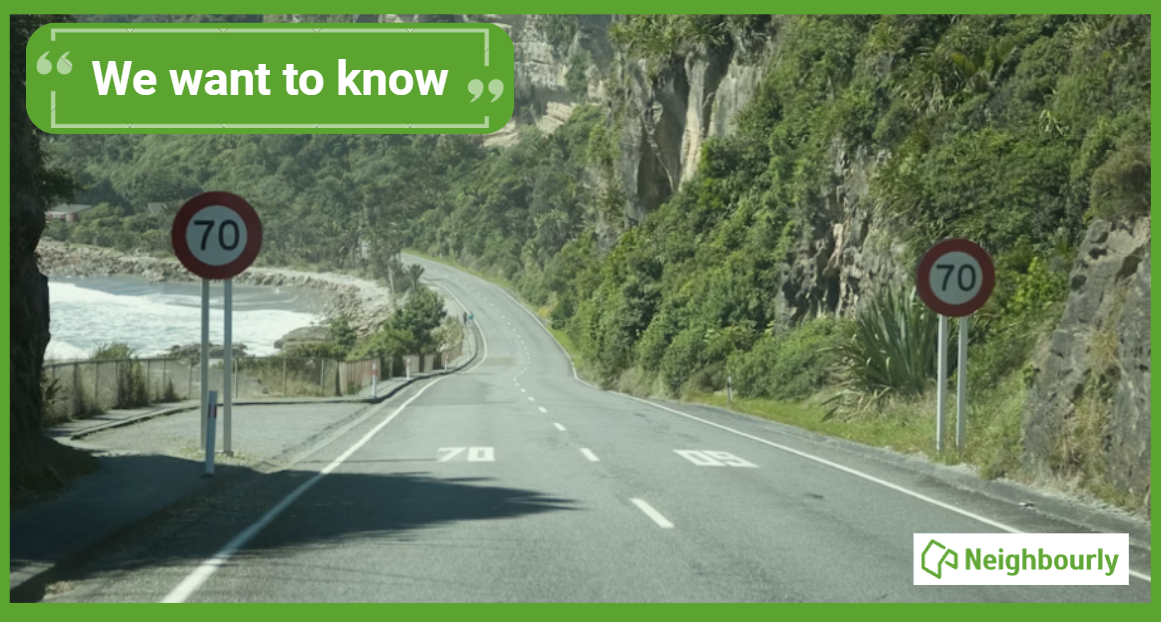
Poll: If we want to reduce speeding, what do you think actually changes driver behaviour? 🛻🚨🚓
In the Post's article on speeding penalties, the question is asked whether speeding fines are truly about road safety, or are they just a way to boost revenue for the Crown?
What do you think? Should speeding motorists receive speeding fines or demerit points?
-
34% The sting of a fine (Money talks!)
-
66% The threat of demerit points (Nobody wants to lose their license!)

Addictive Eaters Anonymous
How much does it cost to join AEA?
There are no dues or fees for joining AEA or attending AEA meetings. We are self-supporting through our own voluntary contributions. At some point during each meeting we pass the basket to help cover expenses, such as the cost of rent and literature. Members are not obliged to contribute, but we usually do so to the extent we are able.
 Loading…