





Horses return to Port Hills track for first time in 20 years
From reporter Carly Gooch and videopgrapher Alden Williams:
Riding horses is part of Pete Hurst’s heritage.
His father rode to Canterbury’s Motukarara races, and his grandfather took his horses to war – now he’s making it his mission to ensure horses are able to trot on the tracks they’re entitled to.
Nearly a dozen riders took to Kennedys Bush Track in Christchurch on Friday morning, clip-clopping from Halswell Quarry to the Summit Rd to celebrate new horse gates allowing them through for the first time in years.
The trail had been “locked up” for about 20 years, Hurst said, but after advocates put pressure on the Christchurch City Council, it installed 1m-wide horse gates that will let riders through, but not vehicles.
He said generations before him had access to ride between Christchurch and Akaroa, “so we want to restore that – this is a step on the right direction”.
The main goal was to be able to ride the historic track to Akaroa and bring horses “back to the high country”.
He expected to succeed.
Many of the tracks Hurst wants horses to have access to are “paper roads” owned by the council in trust for the public.
He said bikes, trampers, horses and vehicles should be capable of accessing the roads, but locked gates often prohibited this.
“They should be for everybody, they shouldn’t keep you off it. We’re just opening up what we’re entitled to at Kennedys Bush.
“These days, bikes are well catered for, not so much horses.”
Hurst said he had done a lot of work over the last five years to ensure access to tracks on public conservation land, including on Mt Thomas and Mt Richardson, and he was close to opening several others.
Riding is in Hurst’s bones – his grandfather took horses to Palestine and Gallipoli in the war.
His grandfather was “a great horseman”.
“It broke his heart when he had to dispose of his horse when he came back from Palestine.”
The trek on Kennedys Bush Track was an easy one for the horses, Hurst said.
“They just shot up here, none have a sweat on them. They’re all a good bunch of people and a good bunch of horses.”
A city council spokesperson said the track was never specifically closed to horses, but the fact much of it was unfenced and did not follow the legal road alignment meant vehicle gates were kept locked, “thereby limiting horse access”.
At the end of Friday’s ride, Hurst and his group of riders settled in for a barbecue and drinks where they “talk about horses”.
Horses were part of our heritage, he said.
“If they run out of fossil fuels, we might be back on our horses.”

🧩😏 Riddle me this, Neighbours…
I am an odd number. Take away a letter and I become even. What number am I?
Do you think you know the answer?
Want to stop seeing these in your newsfeed? No worries! Simply head here and click once on the Following button.


Scam Alert: Bank cold calls
ASB is warning customers about reports of cold calls from scammers claiming to be from ASB. These scammers are trying to obtain personal information, including usernames, dates of birth, and verification codes sent to your mobile phone.
🛡️ The "Caller Check" Test
If you get a call from someone claiming to be from ASB and you’re unsure, just ask them for a Caller Check. You will then be able to verify the call through the app.
Remember, banks will:
❌ Never ask for your banking passwords, PINs, or verification codes
❌ Never need to know your full credit card number – especially the CVC
❌ Never ask you to download software or remotely access your device
❌ Never ask you to purchase gift cards or transfer funds.
If you have received a phone call and think your account has been compromised, call ASB on 0800 ASB FRAUD (0800 272 372), or visit your local branch.

Some Choice News!
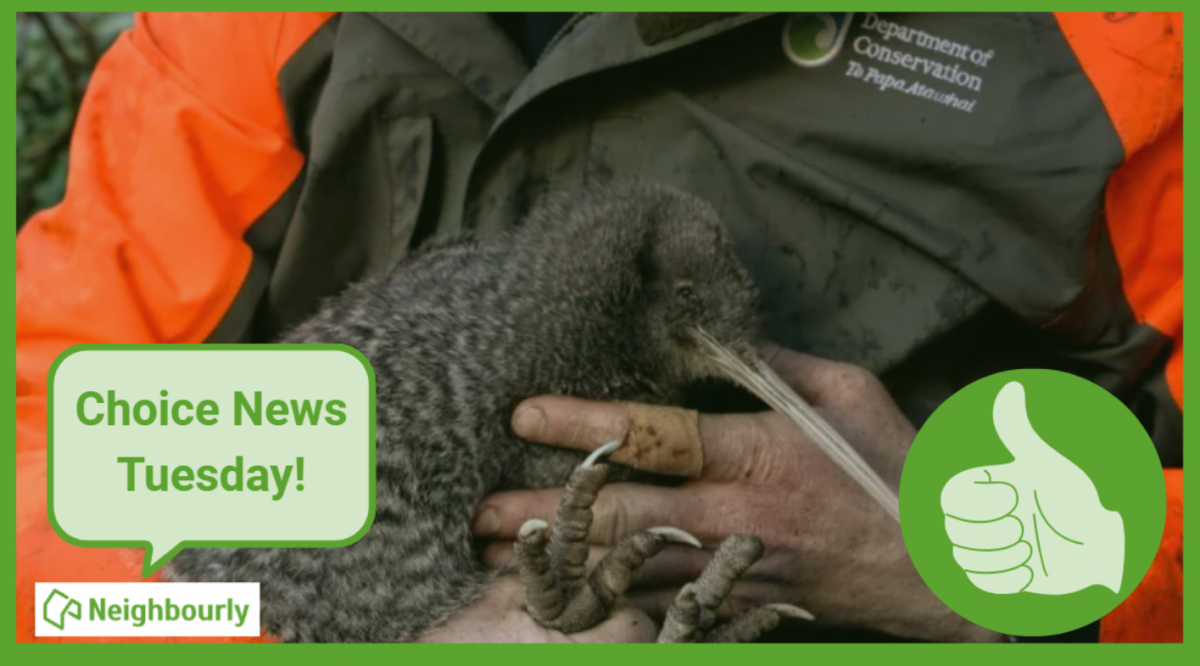
DOC is rolling out a new tool to help figure out what to tackle first when it comes to protecting our threatened species and the things putting them at risk.
Why does this matter? As Nikki Macdonald from The Post points out, we’re a country with around 4,400 threatened species. With limited time and funding, conservation has always meant making tough calls about what gets attention first.
For the first time, DOC has put real numbers around what it would take to do everything needed to properly safeguard our unique natural environment. The new BioInvest tool shows the scale of the challenge: 310,177 actions across 28,007 sites.
Now that we can see the full picture, it brings the big question into focus: how much do we, as Kiwis, truly value protecting nature — and what are we prepared to invest to make it happen?
We hope this brings a smile!
 Loading…