





Auckland named as world's most liveable city
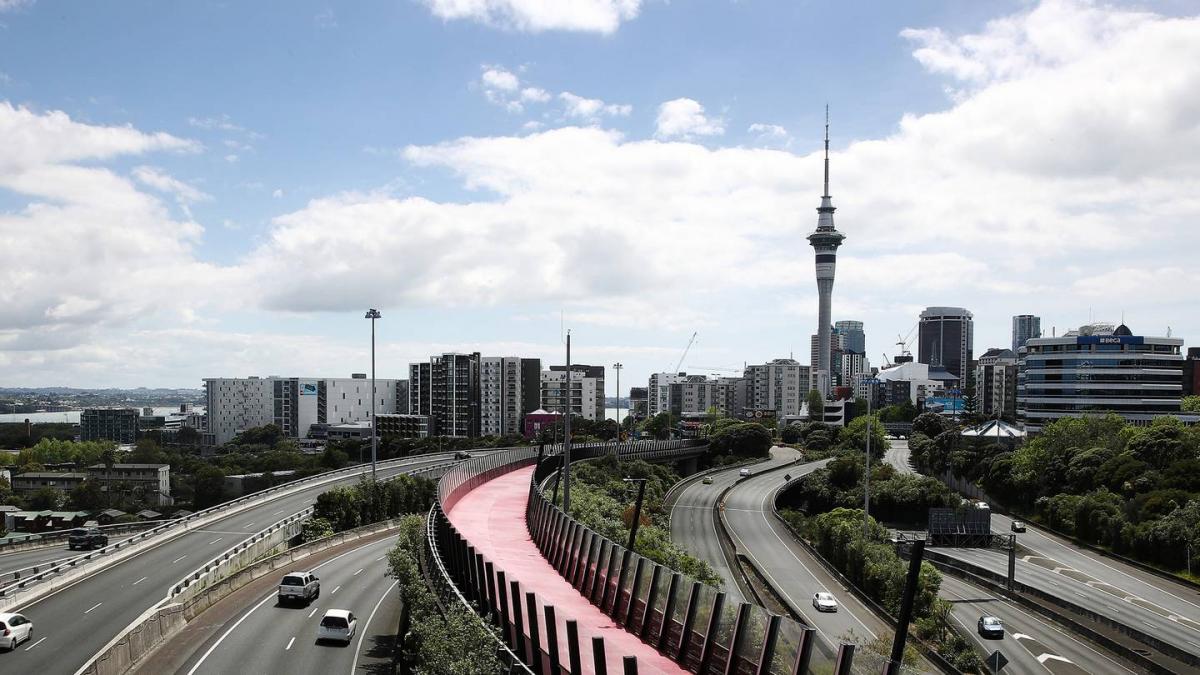
Covid-19 has shaken up the Economist Intelligence Unit's (EIU) annual ranking of most liveable cities, propelling Auckland to first place. New Zealand's most-populous city, home to 1.7 million Kiwis, beat out major cosmopolitan centres such as Tokyo and Vienna, the champion of the last poll in 2019. Wellington also rocketed up the list, with "The Coolest Little Capital in the World" sitting at number four on the list, released by the Economist Intelligence Unit (EIU).
So what does Auckland have that the rest don't?
As it turns out, the question answered by the poll is what doesn't it have?
The answer: Covid.
Other cities saw their ratings tumble as the effect of the pandemic dramatically curtailed the quality of life for their residents. Lockdowns imposed around the world lowered cities' scores in the survey's "culture and environment" category. For example, Vienna crashed out of the top 10 entirely, coming in 12th as New Zealand, Australia and Japan cities fared best. The Austrian capital had led the list since 2018 and for years ran neck and neck with Melbourne at the top of the survey of 140 urban centres. Lockdowns imposed around the world lowered cities' scores in the survey's "culture and environment" category. The four other categories are stability, healthcare, education and infrastructure. New Zealand's elimination of Covid-19 within its borders through lockdown measures helped by its geographic isolation, however, gave its cities a big boost. "New Zealand's tough lockdown allowed their society to reopen and enabled citizens of cities like Auckland and Wellington to enjoy a lifestyle that looked similar to pre-pandemic life," the EIU said in a statement. The EIU generally does not make the full rankings public. The last time Auckland was in the top 10 was in 2017, when it came eighth, a position Melbourne shared with Geneva this year. Vienna fell to 12th. Illustrating New Zealand's advantage this year, Wellington came fourth behind Osaka, which rose two spots to second place, and Adelaide, which leapfrogged its compatriots Sydney and Melbourne to third place from 10th. "The Covid-19 pandemic has taken a heavy toll on global liveability," the EIU said. "Cities across the world are now much less liveable than they were before the pandemic began, and we've seen that regions such as Europe have been hit particularly hard." The European Union struggled to get its vaccination campaign off the ground and many member states, including Austria, imposed more lockdowns than they had hoped to, hurting their cities' scores in the measure of 'culture and environment'. The four other categories assessed are stability, healthcare, education and infrastructure. So Aucklanders, next time you're sitting in traffic, waiting for a bus that never turns up or dodging window washers at intersections, remember that you don't have it so bad.
=====================================================

🧩😏 Riddle me this, Neighbours…
I am an odd number. Take away a letter and I become even. What number am I?
Do you think you know the answer?
Want to stop seeing these in your newsfeed? No worries! Simply head here and click once on the Following button.


Scam Alert: Bank cold calls
ASB is warning customers about reports of cold calls from scammers claiming to be from ASB. These scammers are trying to obtain personal information, including usernames, dates of birth, and verification codes sent to your mobile phone.
🛡️ The "Caller Check" Test
If you get a call from someone claiming to be from ASB and you’re unsure, just ask them for a Caller Check. You will then be able to verify the call through the app.
Remember, banks will:
❌ Never ask for your banking passwords, PINs, or verification codes
❌ Never need to know your full credit card number – especially the CVC
❌ Never ask you to download software or remotely access your device
❌ Never ask you to purchase gift cards or transfer funds.
If you have received a phone call and think your account has been compromised, call ASB on 0800 ASB FRAUD (0800 272 372), or visit your local branch.


Some Choice News!
DOC is rolling out a new tool to help figure out what to tackle first when it comes to protecting our threatened species and the things putting them at risk.
Why does this matter? As Nikki Macdonald from The Post points out, we’re a country with around 4,400 threatened species. With limited time and funding, conservation has always meant making tough calls about what gets attention first.
For the first time, DOC has put real numbers around what it would take to do everything needed to properly safeguard our unique natural environment. The new BioInvest tool shows the scale of the challenge: 310,177 actions across 28,007 sites.
Now that we can see the full picture, it brings the big question into focus: how much do we, as Kiwis, truly value protecting nature — and what are we prepared to invest to make it happen?
We hope this brings a smile!

 Loading…