






New Zealand-Australia travel bubble - all you need to know about quarantine-free travel between NZ and Aus
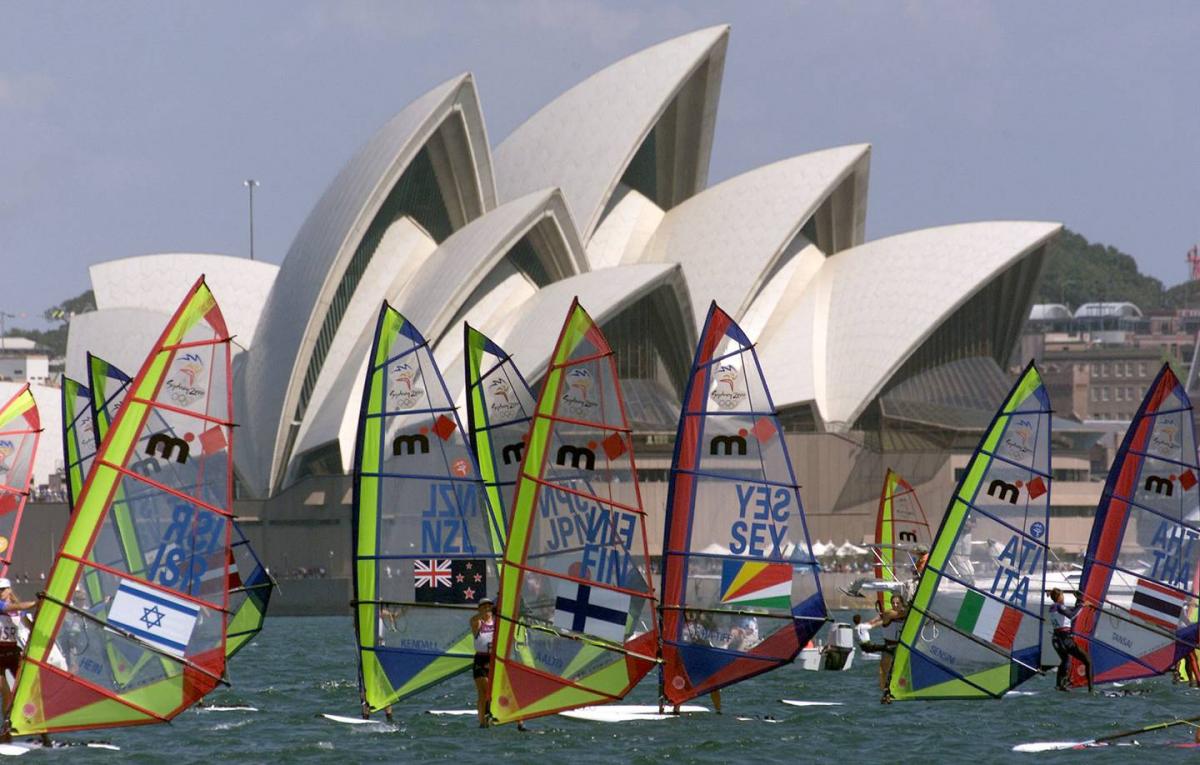
Tomorrow night, the transtasman bubble opens - allowing Kiwis and Aussies the chance to travel between each other's countries, quarantine-free, for the first time in a year. However it's not quite back to normal when it comes to travel. Here's what you need to know.
What's the transtasman bubble?
==========================
It's two-way quarantine-free commercial flights - also known as "green" flights - between New Zealand and all states and territories of Australia, and it starts at 11.59pm tomorrow. It's also just the second travel bubble in the world, after Taiwan and Palau, between countries still committed to keeping Covid-19 out.
Sweet. Who's my ride?
===================
Air New Zealand, Qantas and Jetstar are the only airlines flying the route at this stage. Virgin Australia says it will stay away until October 31.
How much?
==========
An Air New Zealand return flight to Sydney, Brisbane or Melbourne out of Auckland, Wellington or Christchurch leaving May 1 and returning a week later will cost - including stowed luggage - between $643 and $717 per person. An Auckland to Perth return flight with the national carrier is $1179 on the same dates. Qantas flights between the three main cities in each country are similar prices: Auckland to Melbourne is $677 return and the same flights from Christchurch are $932. Low-cost carrier Jetstar charges slightly less than the major airlines: A return flight between Auckland and Sydney is $634, including stowed baggage.
Booked. Now what?
=================
Just in case it hasn't sunk in over the past 13 months, if you feel unwell, stay at home and seek advice from Healthline on 0800 611 116.
Australia-bound passengers must complete the online Australia Travel Declaration at least 72 hours before departure, where you'll be expected to provide contact details and answer questions about your health and whether you've spent time outside New Zealand in the previous 14 days.
The declaration will need to be presented at check-in. You should also bring evidence of any pre-existing conditions, such as hay fever, when you check in, to avoid being denied boarding. Also, check conditions of your travel insurance with regards to being denied boarding because of Covid-19. On your return to New Zealand you'll also have to meet conditions such as having only been in a country that's been designated as a quarantine-free place, and not tested positive - or awaiting a test result - for Covid-19, in the past 14 days. You'll also have to complete a travel declaration at the time of booking your flight, and a health declaration at check-in.
Anything else I can expect at the airport?
==================================
Health professionals may be stationed at airports to do random temperature checks and health assessments of travellers. You also won't come into contact with travellers from other countries.
To mask or not to mask?
====================
Mask.
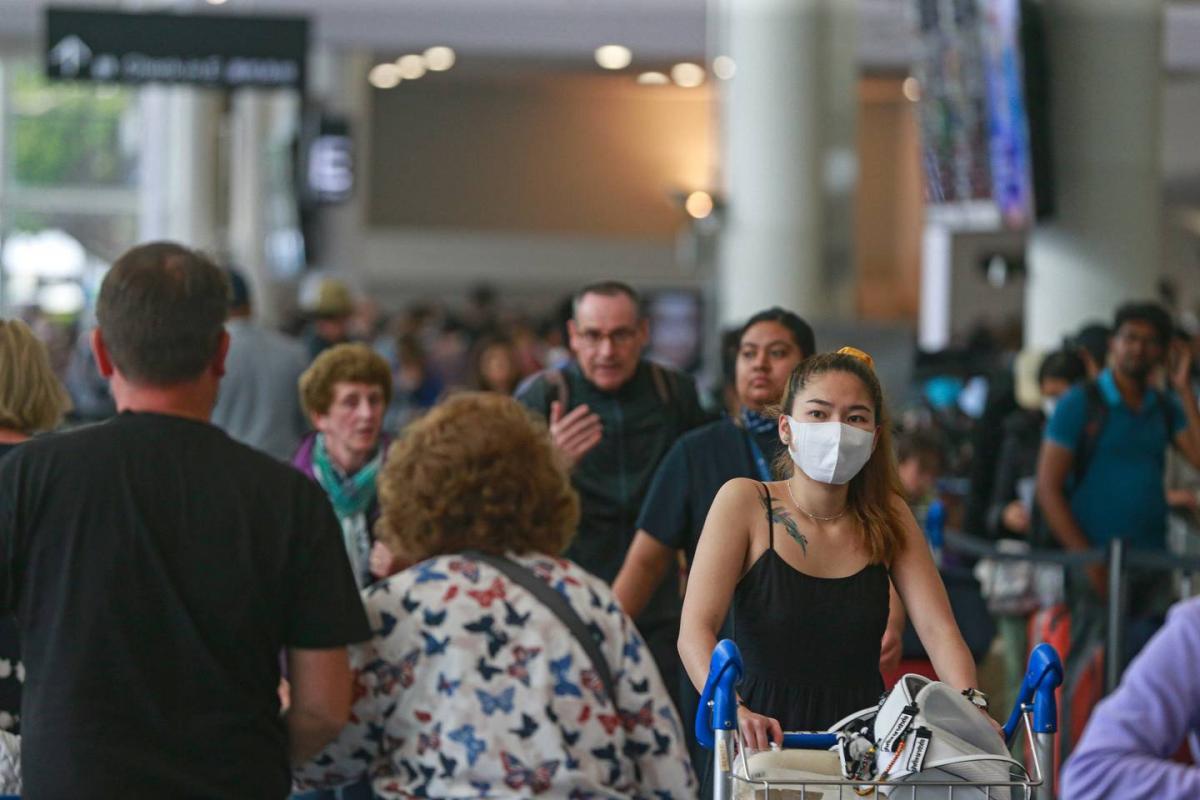
Unless you're exempt, you'll be expected to wear a face mask while crossing the Tasman. One will be provided by the airline if you don't have one. You should also wear your mask while inside airports in New Zealand and Australia.
Do I need to get a Covid-19 test before my flight?
=======================================
If you're well and haven't potentially been exposed to Covid-19, no, you don't need a negative Covid-19 pre-departure test to travel to Australia on a quarantine-free flight. Australia has sometimes introduced requirements for testing on arrival for people from New Zealand, so keep an eye on the requirement of the state you're arriving in - covid19.govt.nz has links to state and territory travel information. I haven't received my Covid-19 vaccination yet - can I still travel to Australia?
================================================
Yes.
What if there's an outbreak of Covid-19 which sparks a lockdown or halts quarantine-free travel while I'm in Australia?
===============================================
Prime Minister Jacinda Ardern has been quite clear on this: Transtasman travel is at your own risk. It's your responsibility to manage any travel disruption related to Covid-19, and pay any associated costs. This could include, if the Covid-19 situation changes in Australia, entering managed isolation or self-isolation when you return to New Zealand. If so, you will need to pay for your stay, with applications to waive payments considered on a case-by-case basis. If you need to travel to New Zealand urgently, you can apply for an emergency allocation. If you find yourself in lockdown while away from New Zealand, follow the instructions of local authorities.
=======================================================
Balms and butters
So i still have a few of my tins and jars left of kawakawa balms and shea butters , however for this week i will be dropping the prices just for this week. (= if your interested pm for details please, can deliver west


🧩😏 Riddle me this, Neighbours…
I am an odd number. Take away a letter and I become even. What number am I?
Do you think you know the answer?
Want to stop seeing these in your newsfeed? No worries! Simply head here and click once on the Following button.


Scam Alert: Bank cold calls
ASB is warning customers about reports of cold calls from scammers claiming to be from ASB. These scammers are trying to obtain personal information, including usernames, dates of birth, and verification codes sent to your mobile phone.
🛡️ The "Caller Check" Test
If you get a call from someone claiming to be from ASB and you’re unsure, just ask them for a Caller Check. You will then be able to verify the call through the app.
Remember, banks will:
❌ Never ask for your banking passwords, PINs, or verification codes
❌ Never need to know your full credit card number – especially the CVC
❌ Never ask you to download software or remotely access your device
❌ Never ask you to purchase gift cards or transfer funds.
If you have received a phone call and think your account has been compromised, call ASB on 0800 ASB FRAUD (0800 272 372), or visit your local branch.
 Loading…