






More than 500,000 New Zealand students drive themselves or are driven by somebody else to school every day
For the first time, Stats NZ asked people about their main means of travelling to their place of education. It found 128,000 drove themselves, and 450,000 were driven by someone else. About 113,000 get a school bus, 82,000 a public bus and just 21,000 hop on a train. St Kentigern College year 13 student Ben Fraser said most of the pupils in his year and the year below drove themselves to school. "We're in a society that really thinks driving is like a demonstration of being successful and being wealthy and [it] doesn't see public transport as having those same qualities," he said. "If you're on public transport, people will see that as being only because you can't afford to own your own car. There's also of course the element that when you get your restricted when you're 16, that's a really exciting opportunity. You feel like you're becoming an adult and that you're maturing." Mr Fraser, who's also the deputy chairperson of the Howick Youth Council, said he still takes the bus - not only because he can't afford a car but because it's just more convenient. "I'm in a position where I'm quite lucky because going on public transport is actually quicker for me to get to school than driving. On my route to school we've got a T2 lane, which means that my bus doesn't have to compete with all the cars in the area, and the buses come really regularly." In New Zealand's biggest and most congested city, Auckland Transport says traffic volumes are reduced by 10 to 15 per cent during the school holidays - representing some 70,000 fewer car trips. Transport commentator Matt Lowrie, from the Greater Auckland website, said the latest numbers weren't a surprise to him, because many parents think it's too dangerous for their children to make their own way to school. "We often hear stories of very bad behaviour by parents dropping their kids off at school in their cars. The less safe the environment is for kids to walk and cycle to school ... more parents say will say, 'Well, I'm not going to let my kid walk or cycle to school'. And so you have more people driving again," he said. "It's a cycle that goes around in circles and means as a result, we have kids that are less healthy and less active. And it also causes more congestion." When it came to high school and university students driving themselves, most students were on restricted licences so couldn't carry passengers. However, Mr Lowrie said it was too simplistic to think reducing vehicle numbers to school holiday levels would see free-flowing traffic all the time. "As the roads are clearer it encourages more people to drive and drive at times when they might want to travel as opposed to delaying travel, or not making the trip at all. Or making it by another method. "So the presence of free-flowing motorways is great ... [but] it encourages more people to drive and therefore will eventually back up again." Secondary Principals Association president Deidre Shea pointed out that some parents were dropping off children at more than one centre. Many people also travelled long distances to get to schools or other education facilities far from their homes, she said.
"Particularly in Auckland but in the other bigger centres as well, there are a number of young people who do not attend the local school and that makes a huge difference to the travel across our city," she said. "If folks attended their local school there would be a lot less traffic on the roads during term time." Ms Shea believes - and hopes - that with growing concern about human impact on the environment, students will increasingly opt to hop on a bus or train and leave the car at home.
==========================================================

Poll: Is Auckland’s economy improving?
The latest reporting from The Post suggests a wave of optimism for 2026. With interest rates finally heading south, businesses are feeling more positive. But for many on the ground, the real-world recovery feels a bit like a slow-moving commute on Auckland's motorways.
We want to know: Are you seeing signs of Auckland's economy improving in your industry or neighbourhood? Whether it's busier shops, new projects kicking off, or just a shift in the mood ...
-
16.4% Yes
-
66.1% No
-
17.5% A little
Poll: If we want to reduce speeding, what do you think actually changes driver behaviour? 🛻🚨🚓
In the Post's article on speeding penalties, the question is asked whether speeding fines are truly about road safety, or are they just a way to boost revenue for the Crown?
What do you think? Should speeding motorists receive speeding fines or demerit points?
-
30.8% The sting of a fine (Money talks!)
-
69.2% The threat of demerit points (Nobody wants to lose their license!)

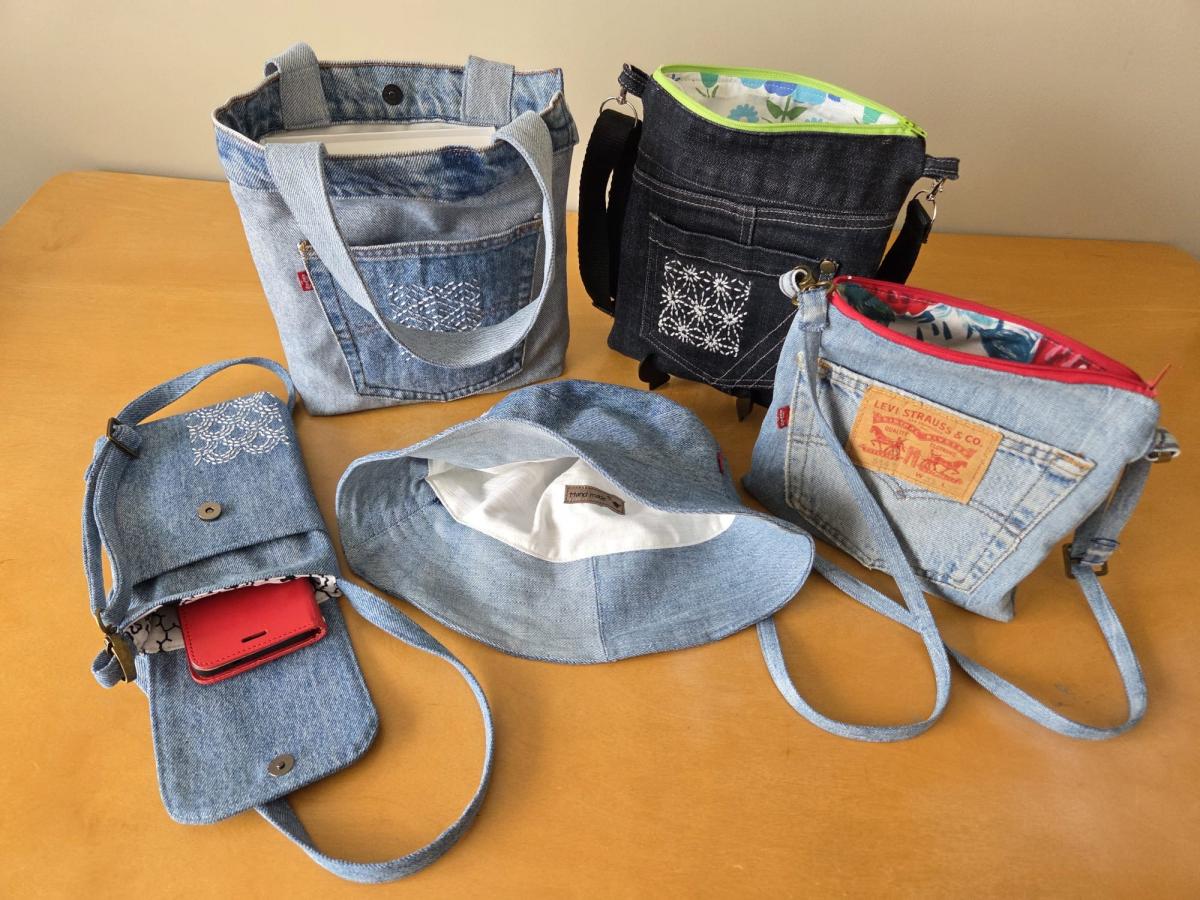
Denim, but make it one-of-a-kind 💙
Not every pair of jeans makes it to the rack... but that doesn’t mean their story ends there. Our talented volunteer Annie has been transforming damaged denim into handcrafted bags, hats and aprons in our Onehunga SPCA Op Shop ✂️🧵
This latest batch even features her own hand-sewn designs, and customers have been loving them, they sell almost as soon as they hit the shelf!
It’s creativity, sustainability and community all stitched together, helping animals in need 🐾
📍 217 Onehunga Mall, Onehunga
🕘 9am–5pm, 7 days

 Loading…