





Sustainability in Action - Thought Does Take Action
Stockholm is home to one of the world's most famous eco-neighbourhoods, Hammarby Sjöstad. But does it really offer a template for green urban living that can be replicated in other fast-growing cities?
Construction started in the late 1990s and it's currently home to about 25,000 residents. Its reputation for sustainability comes from the way it handles energy, water and waste - initially designed to cut the environmental impact by 50% compared to a typical suburb - and its goal of maintaining green habits among residents. Circular Economy
-
The BBC's Circular Economy series highlights the ways we are designing systems to reduce the waste modern society generates, by reusing and repurposing products. All the apartments are made from raw materials designed to provide maximum insulation during Sweden's winters. Gas and electricity come from a range of renewable sources including solar panels and biogas.Some of the biogas is extracted from sewage sludge from the area's water treatment plant, where rainwater, storm water and melt water from snow and ice are processed locally.
Residents sort their rubbish into categories and put it in outdoor chutes which suck the waste underground to a central storage point. Combustible waste is burned and turned into further biogas powering some of the city's buses.
Public transport, including wide cycle lanes and wooden boulevards hugging the water's edge, a tram line, buses and a free ferry service, is designed to discourage commuting by car. Commonly cited reasons for its success include Stockholm's relative wealth compared to other cities, and an ongoing nationwide focus on green issues. Sweden's latest goal is to become a net zero greenhouse gas emitter by 2040, with Hammarby Sjöstad aiming to get there by 2030.There has also been a much higher degree of co-operation here, between different state agencies and private companies, than in previous projects.
"It was the first project in Stockholm where the city planners, real estate agents, traffic agency, water company, environmental and health administration worked together in one office," says Gunnar Söderholm, Stockholm's environmental health director, who has worked on the initiative in various roles since its inception.
While "it wasn't easy", he says being in such close proximity helped them tackle disagreements and "created a new model for city planning, which we still benefit from".
The approach has influenced several other projects, the latest of which is Stockholm Royal Seaport, with plans for at least 12,000 new homes and 35,000 workspaces.
Interested? www.bbc.com...


Some Choice News!
DOC is rolling out a new tool to help figure out what to tackle first when it comes to protecting our threatened species and the things putting them at risk.
Why does this matter? As Nikki Macdonald from The Post points out, we’re a country with around 4,400 threatened species. With limited time and funding, conservation has always meant making tough calls about what gets attention first.
For the first time, DOC has put real numbers around what it would take to do everything needed to properly safeguard our unique natural environment. The new BioInvest tool shows the scale of the challenge: 310,177 actions across 28,007 sites.
Now that we can see the full picture, it brings the big question into focus: how much do we, as Kiwis, truly value protecting nature — and what are we prepared to invest to make it happen?
We hope this brings a smile!


Poll: 🤖 What skills do you think give a CV the ultimate edge in a robot-filled workplace?
The Reserve Bank has shared some pretty blunt advice: there’s no such thing as a “safe” job anymore 🛟😑
Robots are stepping into repetitive roles in factories, plants and warehouses. AI is taking care of the admin tasks that once filled many mid-level office jobs.
We want to know: As the world evolves, what skills do you think give a CV the ultimate edge in a robot-filled workplace?
Want to read more? The Press has you covered!

-
52.7% Human-centred experience and communication
-
14.7% Critical thinking
-
29.8% Resilience and adaptability
-
2.7% Other - I will share below!

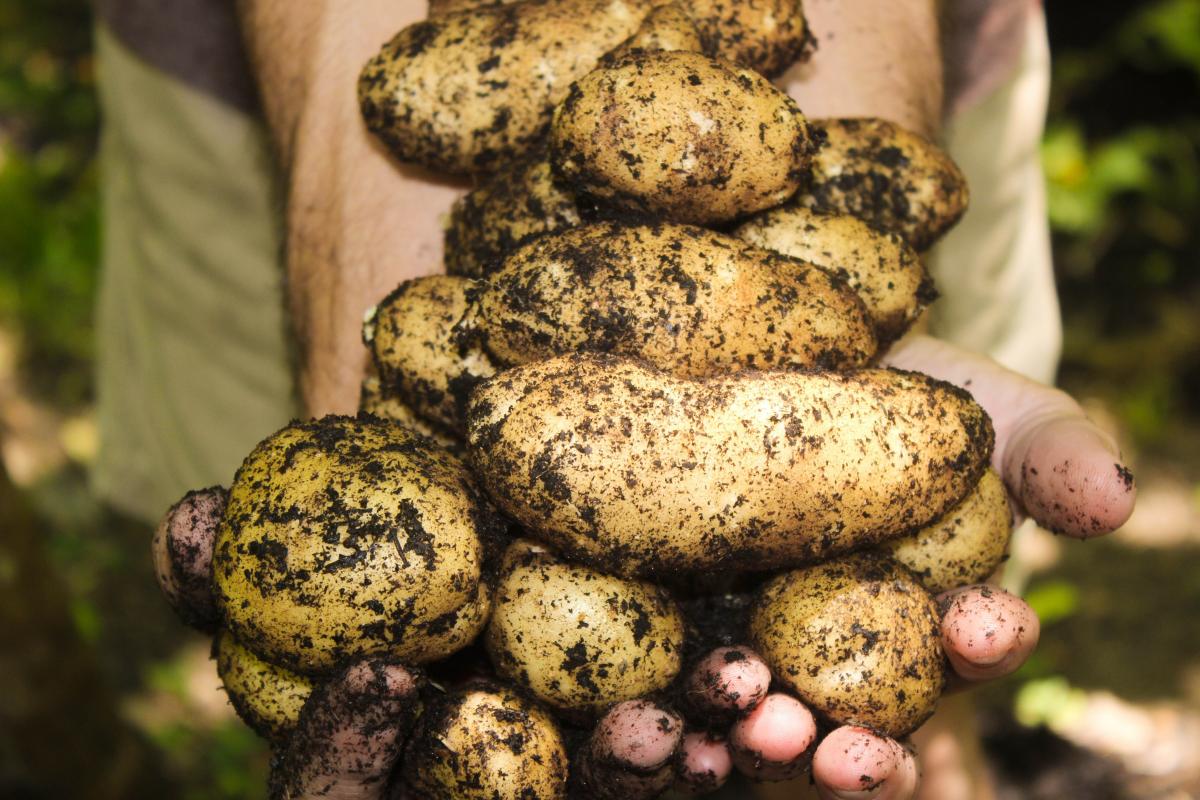
Share your favourite main crop potato recipe and win a copy of our mag!
Love potatoes? We will give away free copies of the May 2026 issue to readers whose potato recipes are used in our magazine. To be in the running, make sure you email your family's favourite way to enjoy potatoes: mailbox@nzgardener.co.nz, by March 1, 2026.
 Loading…