






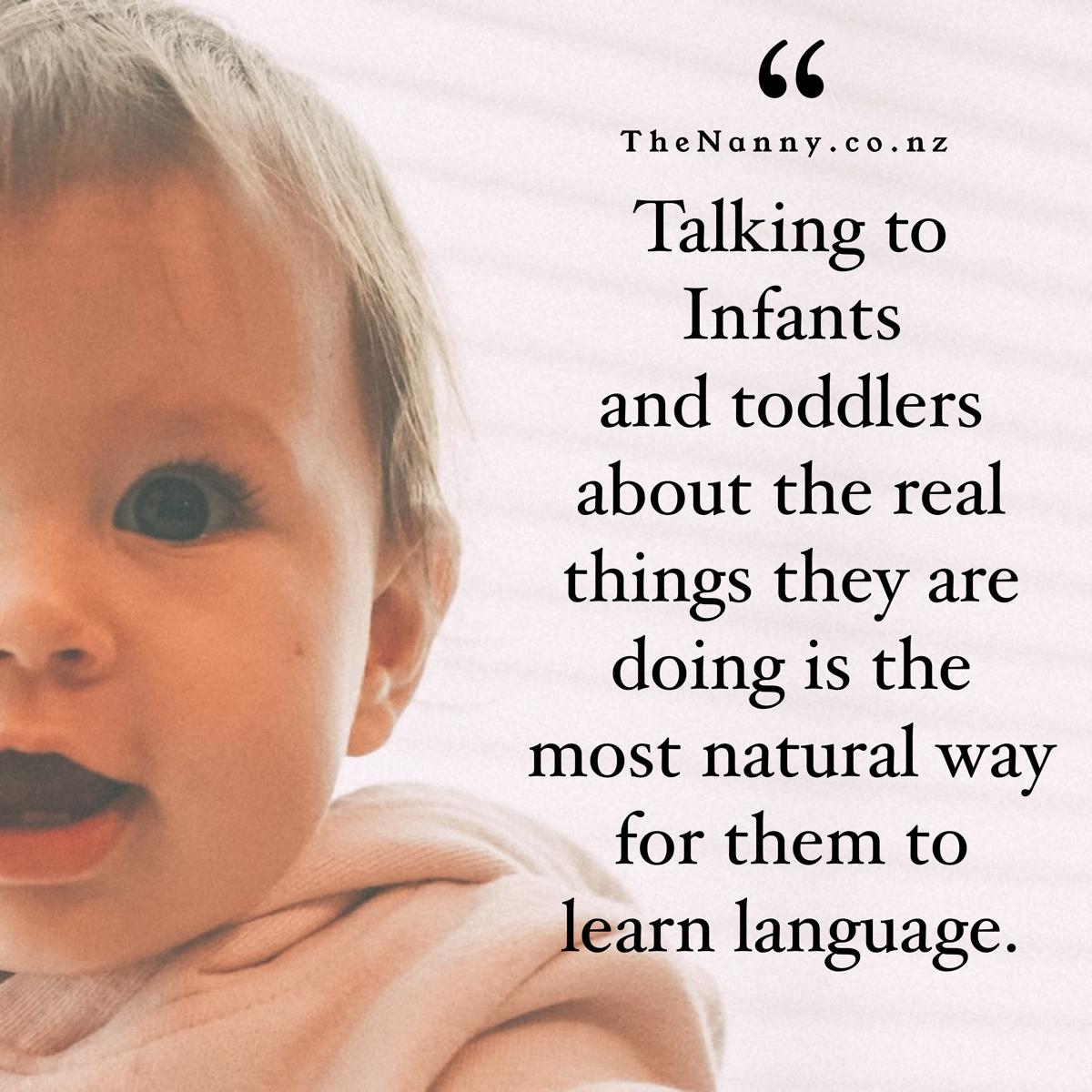
Your infant is listening to you.
Your infant is listening to you. At just 3 days old, without understanding what it means, infants can pick out individual words from speech a University of Manchester study has proven.
From birth your baby absorbs a huge amount of information about words and talking just from listening and watching you talk.
Later, they will will coo, smile, laugh, make more sounds and move their body to communicate with you.
This interaction strengthens your relationship and helps them learn more about the world at the same time.
Parents who talk to their babies about everyday things use different sounds and words. When children hear a lot of different words, it increases the variety of words they understand.
Excellent for their language and communication development.
Talking with babies helps their brains develop and can help children do better at school when they’re older.
You don’t need to make a special time for talking. You can talk to your baby about hanging out the washing, preparing meals or whatever is happening around you. Any and all talking is good for your baby or toddler, so try to talk as much as you can during the day.
Tips for talking with infants
* Reduce distractions. Turn off background noise to just ‘be present’ to talk to your child.
* Talk about an experience you shared – for example, ‘It’s sunny today. But remember the rain yesterday?
* If you use complex words, explain them by describing. For example, ‘We’re going to see the paediatrician – a special doctor who knows all about babies and children’.
* Ask a question or make a comment about something you are doing, giving baby time to process.
* Use natural pauses teaching ‘give and take’ in conversation. Baby will eventually fill these pauses when language develops.
* Read and tell stories daily from birth, if you can. Baby will learn this is when you enjoy a special time together.

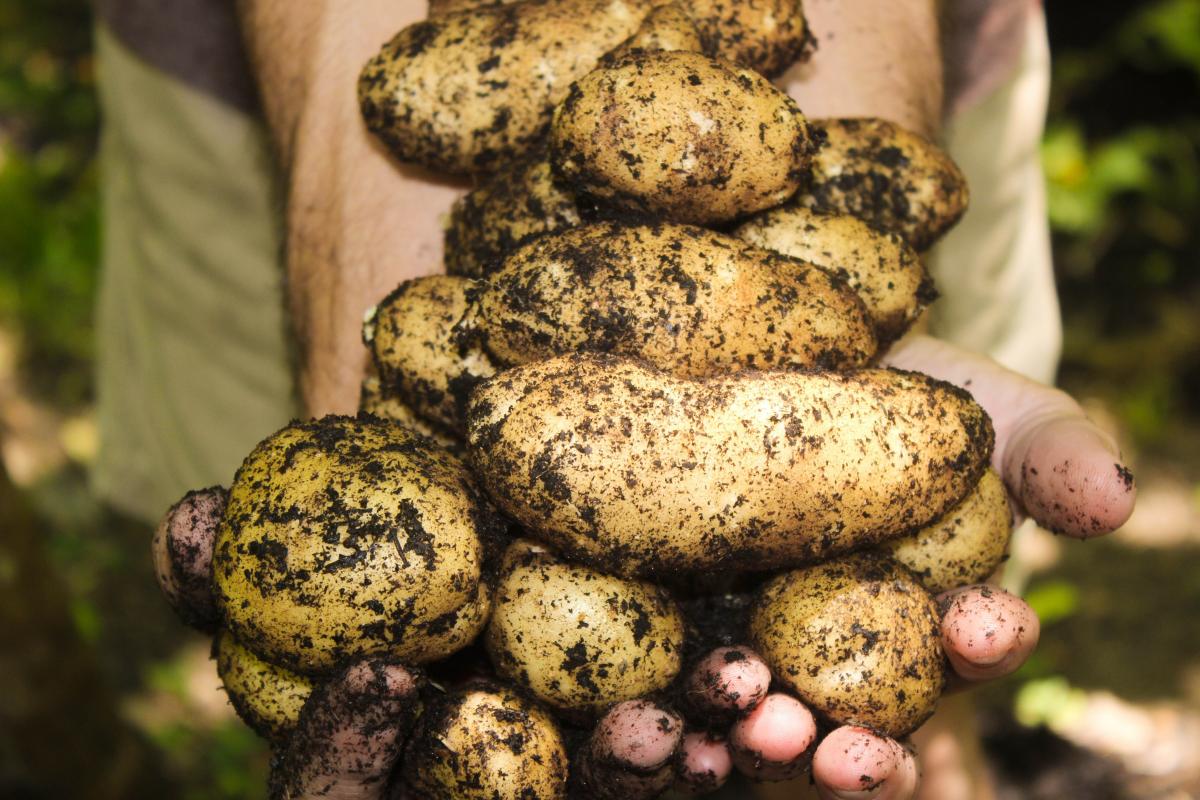
Share your favourite main crop potato recipe and win a copy of our mag!
Love potatoes? We will give away free copies of the May 2026 issue to readers whose potato recipes are used in our magazine. To be in the running, make sure you email your family's favourite way to enjoy potatoes: mailbox@nzgardener.co.nz, by March 1, 2026.

Poll: 🤖 What skills do you think give a CV the ultimate edge in a robot-filled workplace?
The Reserve Bank has shared some pretty blunt advice: there’s no such thing as a “safe” job anymore 🛟😑
Robots are stepping into repetitive roles in factories, plants and warehouses. AI is taking care of the admin tasks that once filled many mid-level office jobs.
We want to know: As the world evolves, what skills do you think give a CV the ultimate edge in a robot-filled workplace?
Want to read more? The Press has you covered!
-
52.8% Human-centred experience and communication
-
14.8% Critical thinking
-
29.7% Resilience and adaptability
-
2.8% Other - I will share below!

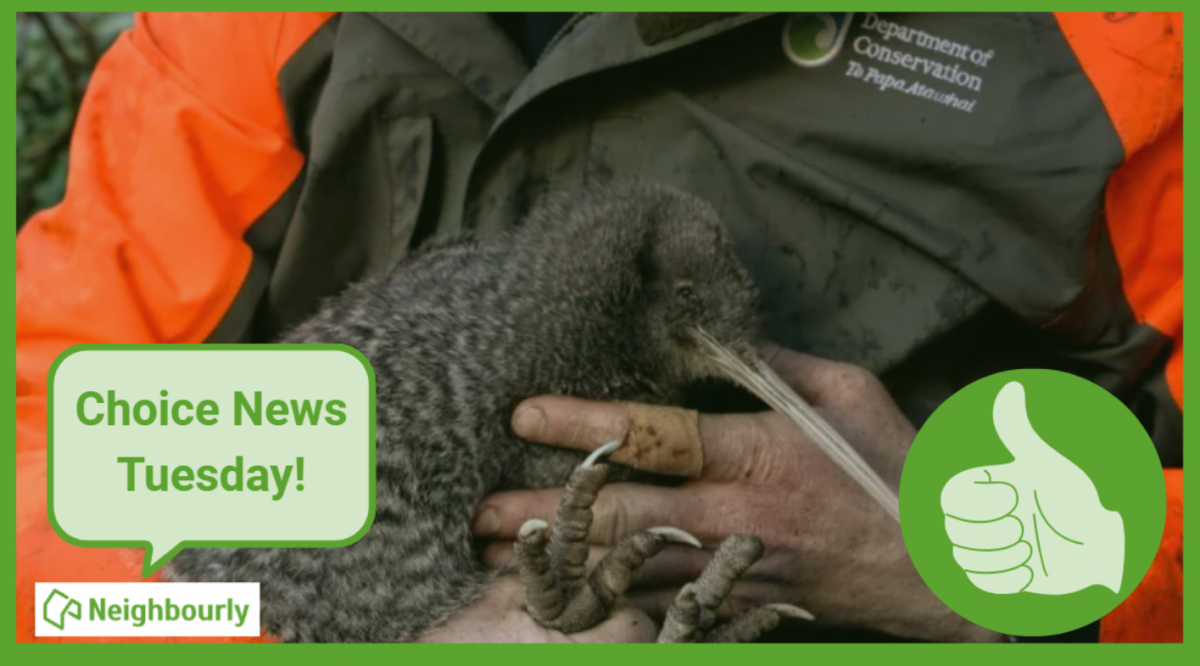
Some Choice News!
DOC is rolling out a new tool to help figure out what to tackle first when it comes to protecting our threatened species and the things putting them at risk.
Why does this matter? As Nikki Macdonald from The Post points out, we’re a country with around 4,400 threatened species. With limited time and funding, conservation has always meant making tough calls about what gets attention first.
For the first time, DOC has put real numbers around what it would take to do everything needed to properly safeguard our unique natural environment. The new BioInvest tool shows the scale of the challenge: 310,177 actions across 28,007 sites.
Now that we can see the full picture, it brings the big question into focus: how much do we, as Kiwis, truly value protecting nature — and what are we prepared to invest to make it happen?
We hope this brings a smile!
 Loading…