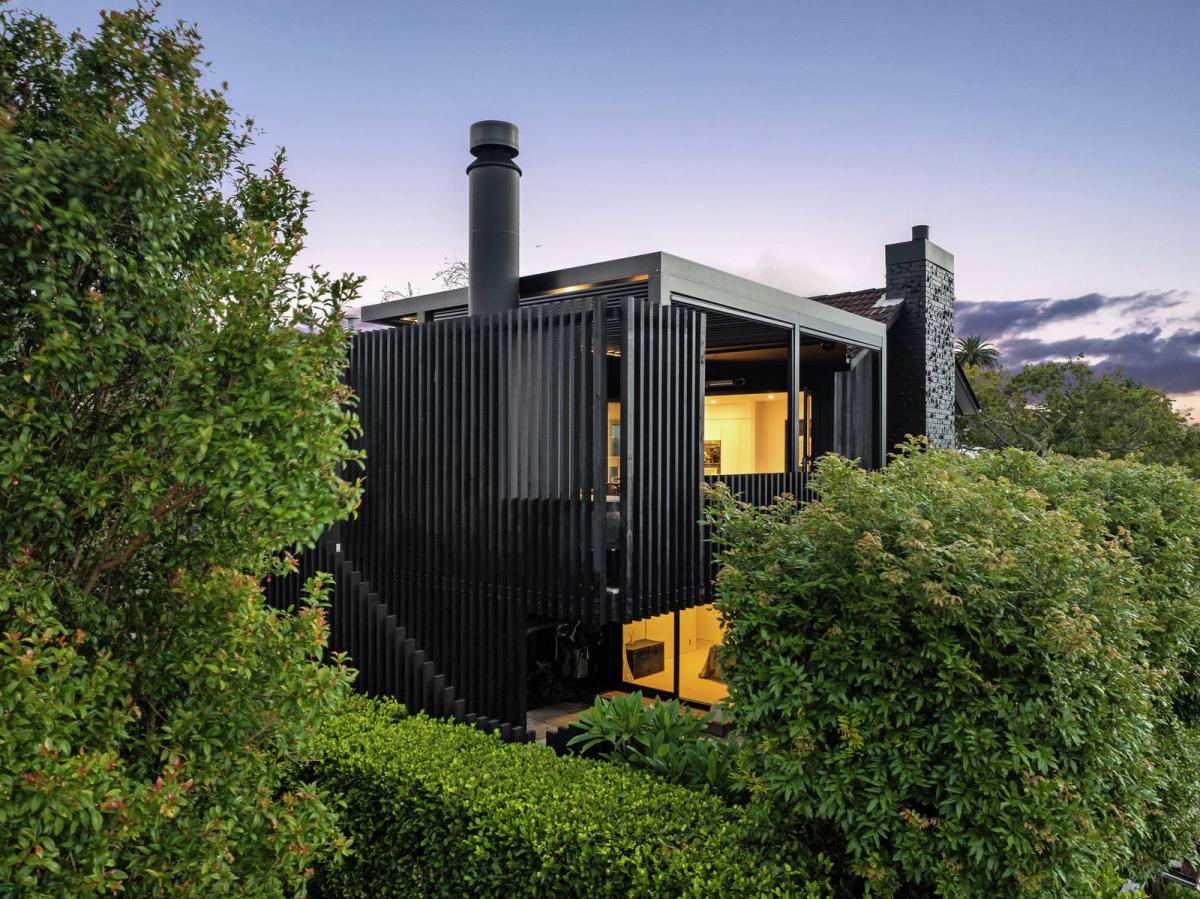





MIRAJ PAINTING (Cedar Treatments)
Kia Ora
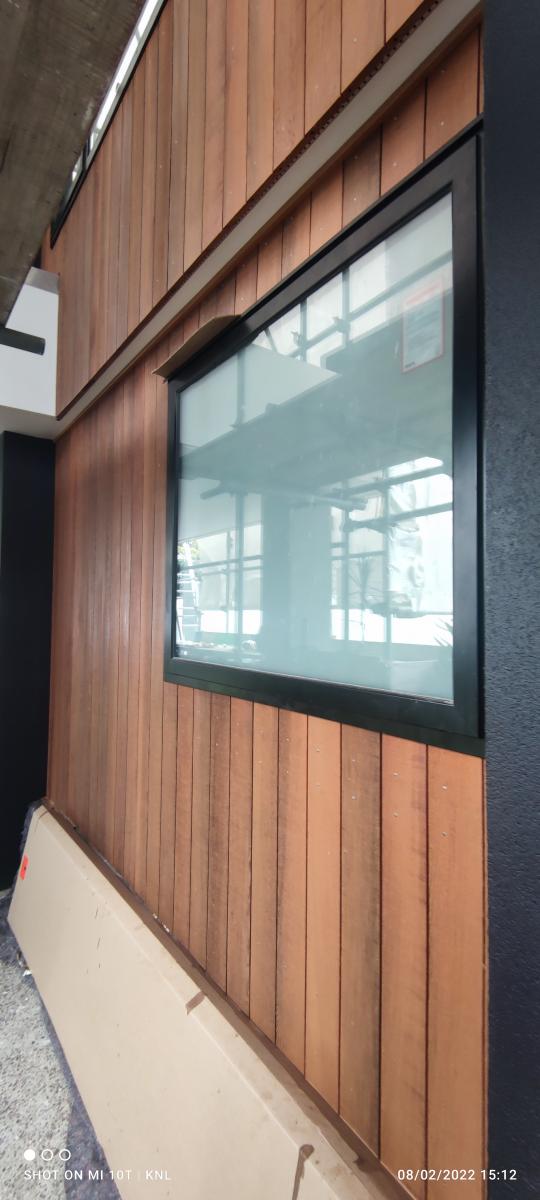
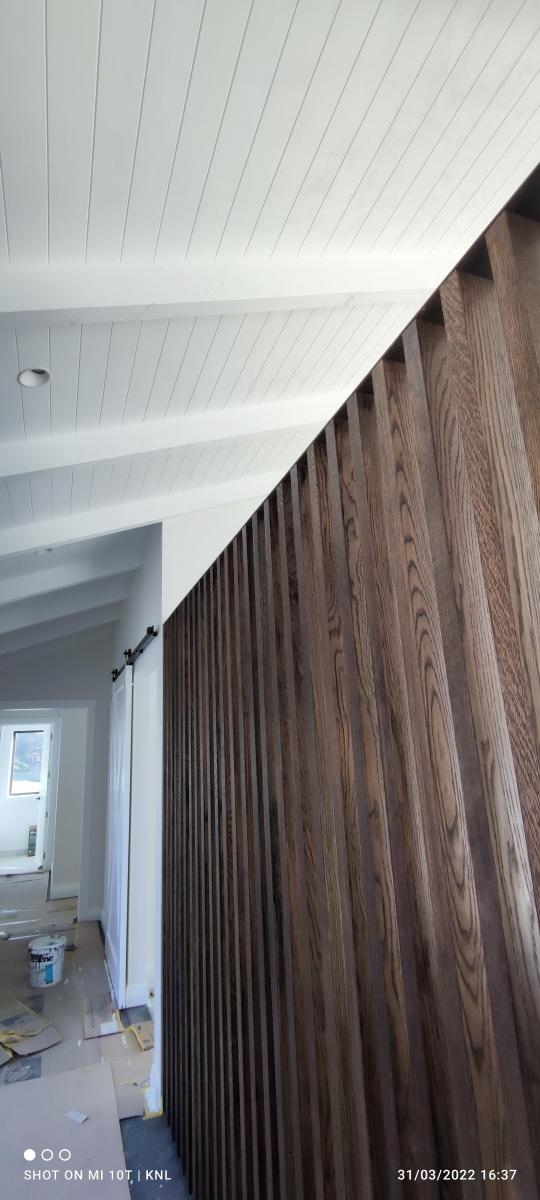
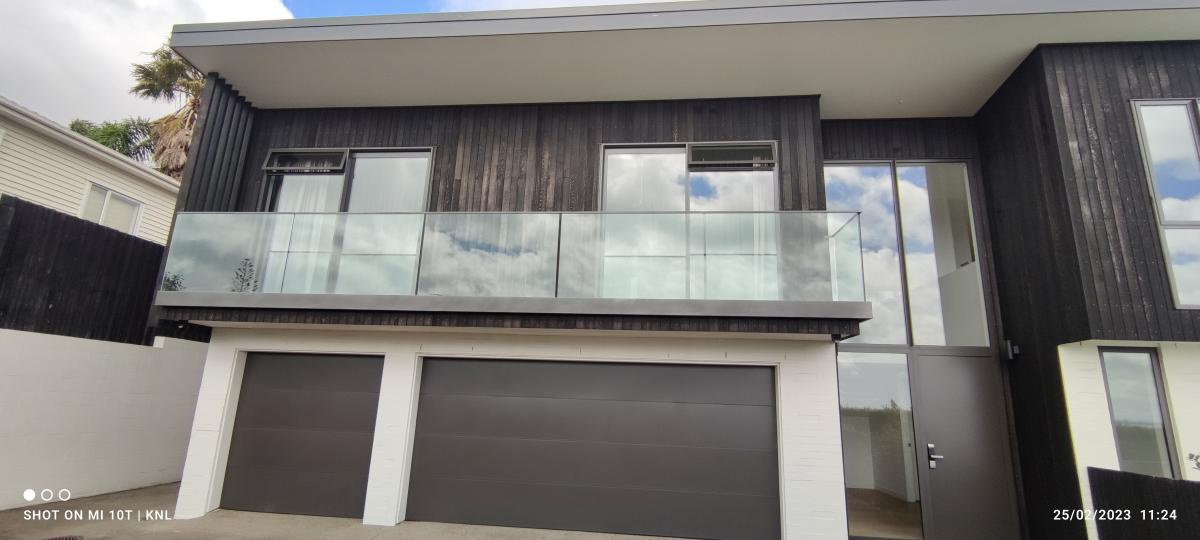
What are the best Treatments for cedar?
Treatments for cedar wood can be broadly placed into three groups: opaque, semi-transparent, transparent or untreated.
Cedar wood is pitch and resin-free, which means that finishes are held very well by the wood as long as they are applied before the weathering process has begun.
Generally, opaque treatments (like paints and solid-colour stains) offer higher protection at the expense of obscuring more of the wood’s natural appearance.
Treatments that are more transparent — like natural stains and water-repellent preservatives — usually offer more modest protection from the elements, but retain a greater amount of the timber’s natural beauty.
1. Opaque or solid-colour
A thorough coating or two of acrylic-based paint is by far the most protective of the finishes on offer. It will shield the timber from moisture and weathering, but will completely conceal the wood’s colour and grain — so make sure to choose a wood paint of your desired colour.
These are also solid-colour stain finishes, which provide an opaque finish whilst retaining some of the original texture. They offer very strong protection against the elements.
Paints and solid-colour finishes allow you to take full control of appearance, adding a bit of excitement, colour or charm to a finished cedar project — but they’re not for the indecisive!
2. Semi-transparent stains
If you’re not interested in an opaque finish, there are still many ways to keep your Cedar looking natural, whilst keeping it well-shielded. For this, a semi-transparent stain might be the ticket.
Depending on the product chosen, semi-transparent stains still offer up some interesting, subtle changes to the wood’s colour, pronouncing grains and knots — as well as affording great protection. Semi-transparent finishes can be oil-based or natural.
Oil-based protection penetrates deeper into the wood and usually provides a more drastic change of colour, giving a greater deal of protection from the elements.
Natural, water-based protection doesn't penetrate as deeply but still affords a good deal of protection, containing fungicides that inhibit the growth of mildew. They’re seen as more environmentally friendly.
There are many types of semi-transparent stains on the market.
Resene Woodsman Wood Oil Stain or Dryden Wood Oil Stain is a good example of a powerful, oil-based protection for cedar wood against weather and UV, available in a range of tints from virtually clear to charcoal. Whilst concealing some of the natural colours, a well-chosen finish like this can enhance the grain of your cedar.
A natural, water-based cedar wood stain — like Resene Woodsman waterborne Wood Oil Stain — will also keep the timber in good condition whilst providing a beautiful finish. A good oil or water-based protection typically lasts for 2 years up to first maintenance.
3. Transparent preservatives and oils
For a transparent finish with some modest protection, consider a coat of water-repellent preservative, or a bleaching oil. There are a range of products on the market.
Although these don’t provide good UV protection, this sort of cedar wood preservative will keep the wood’s warm tones for longer.
Bear in mind that, over time, the cedar will still weather to a grey colour, although this will happen more slowly and you’ll retain the wood’s beautiful, natural tones and patina.
Which cedar treatment should I choose?
Please Call our teams to book your House Cedar treatment.
Jo (0221757314)




Some Choice News!
DOC is rolling out a new tool to help figure out what to tackle first when it comes to protecting our threatened species and the things putting them at risk.
Why does this matter? As Nikki Macdonald from The Post points out, we’re a country with around 4,400 threatened species. With limited time and funding, conservation has always meant making tough calls about what gets attention first.
For the first time, DOC has put real numbers around what it would take to do everything needed to properly safeguard our unique natural environment. The new BioInvest tool shows the scale of the challenge: 310,177 actions across 28,007 sites.
Now that we can see the full picture, it brings the big question into focus: how much do we, as Kiwis, truly value protecting nature — and what are we prepared to invest to make it happen?
We hope this brings a smile!


Scam Alert: Bank cold calls
ASB is warning customers about reports of cold calls from scammers claiming to be from ASB. These scammers are trying to obtain personal information, including usernames, dates of birth, and verification codes sent to your mobile phone.
🛡️ The "Caller Check" Test
If you get a call from someone claiming to be from ASB and you’re unsure, just ask them for a Caller Check. You will then be able to verify the call through the app.
Remember, banks will:
❌ Never ask for your banking passwords, PINs, or verification codes
❌ Never need to know your full credit card number – especially the CVC
❌ Never ask you to download software or remotely access your device
❌ Never ask you to purchase gift cards or transfer funds.
If you have received a phone call and think your account has been compromised, call ASB on 0800 ASB FRAUD (0800 272 372), or visit your local branch.

Poll: If we want to reduce speeding, what do you think actually changes driver behaviour? 🛻🚨🚓
In the Post's article on speeding penalties, the question is asked whether speeding fines are truly about road safety, or are they just a way to boost revenue for the Crown?
What do you think? Should speeding motorists receive speeding fines or demerit points?

-
36.5% The sting of a fine (Money talks!)
-
63.5% The threat of demerit points (Nobody wants to lose their license!)
 Loading…