





Covid-19: The workers stuck in the cycle of perpetual managed isolation
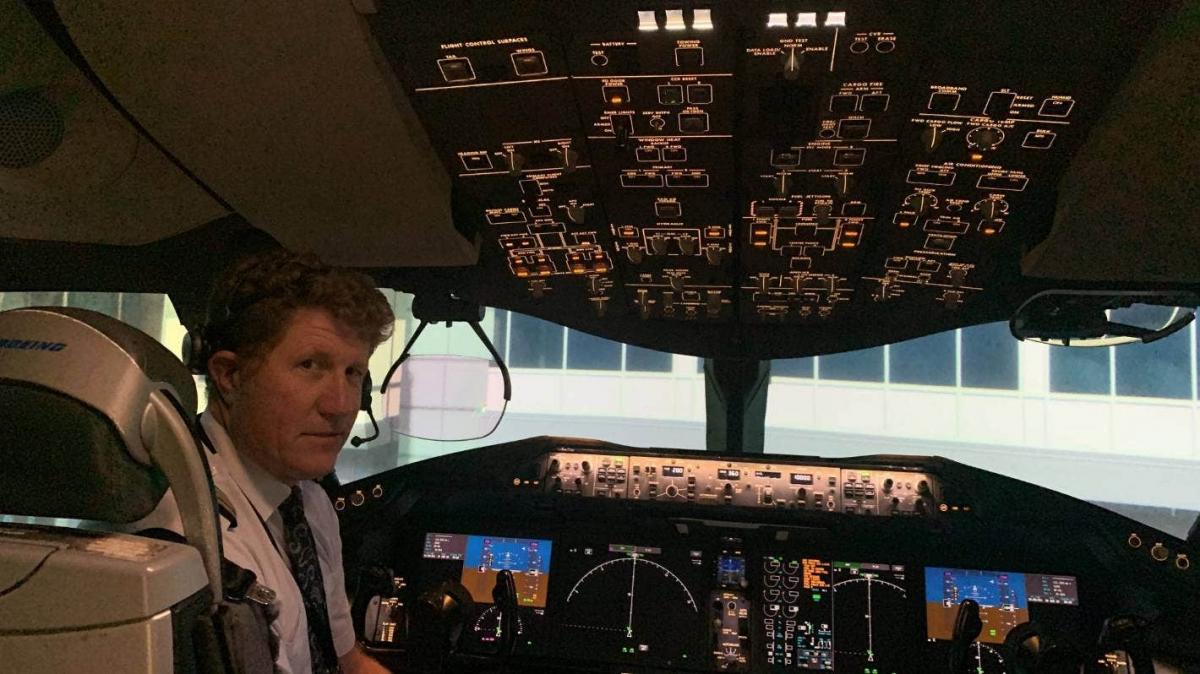
Dave Church pilots Dreamliners to exotic destinations around the world only to be trapped in a hotel room upon arrival.
The Air New Zealand captain endures 18 days each month in self-isolation under strict rules governing air crew to reduce the risk of Covid-19 entering the community.
“You’re conscious of the fact Covid is quite prevalent in a lot of countries,” Church said, “... but it is hard to sit at your window and see everyone walking around the streets enjoying themselves when we’re locked in our hotel rooms.”
“The challenge with it all is to maintain that momentum to keep wanting to go back to work because you know everyone back home has the freedoms of a free lifestyle.”
When crew return home from virus-ridden North America, they face another three days’ confinement in a managed isolation hotel “and that makes it even harder because it could be up to seven days in isolation”, he said.
“... If you look at it from the fact that the general public get a bit upset about being locked in for two weeks, well we can do it for up to a week, have four days off then do it all again, possibly three times a month.”
“Covid fatigue” proved prevalent amongst crew because of the repetitiveness of self-isolation, the Remuera resident said.
While enthusiasm was waning, they were thankful to have a job, he said, and were providing an essential service repatriating passengers along with exporting primary produce.
They took Ministry of Health regulations seriously and were vigilant about not bringing Covid-19 back into the country, said Church, 53.
“You’re also conscious of the fact that being locked in your room is incredibly boring and for a lot of people is quite challenging. There’s a mental wellbeing aspect to the whole thing.”
While operating, Church is subjected to nasopharyngeal tests (swabs up the nose) for Covid-19 every seven days.
Staff must don full face shields, masks and gloves walking through the airport at Los Angeles, which is deemed high risk.
He said social interaction with workmates was limited to the flight deck of the Boeing 787 he flies.
“We no longer are allowed in the cabin of the aircraft either, to mingle and talk to the passengers.
“We’re allowed to leave the flight deck to go to the bunk [to sleep] and that’s about it.”
Back in New Zealand, crew can be ostracised by people who fear catching Covid-19, he said.
“There is certainly a view out in the public that we shouldn’t be associated with.”
Church said people had been turned away from parties, and he had been approached on the sports field while watching his son play cricket.
“I’ve been asked what I was doing there because I was a crew member.”
Read about other air crew in perpetual managed isolation here:
www.stuff.co.nz...

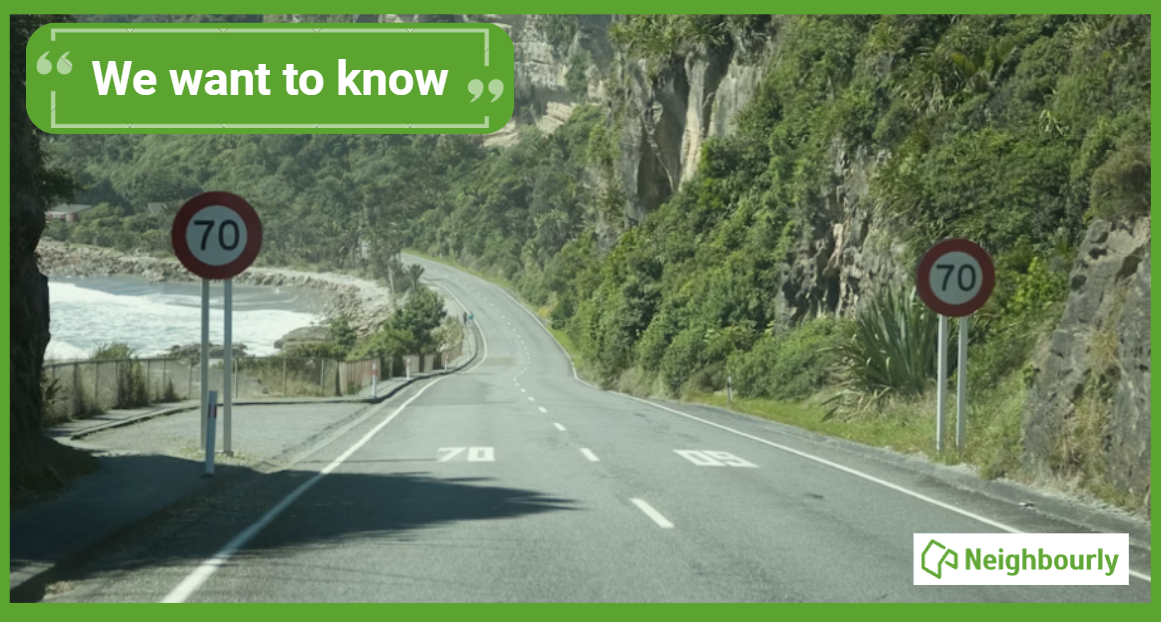
Poll: If we want to reduce speeding, what do you think actually changes driver behaviour? 🛻🚨🚓
In the Post's article on speeding penalties, the question is asked whether speeding fines are truly about road safety, or are they just a way to boost revenue for the Crown?
What do you think? Should speeding motorists receive speeding fines or demerit points?
-
37.1% The sting of a fine (Money talks!)
-
62.9% The threat of demerit points (Nobody wants to lose their license!)

Some Choice News!
DOC is rolling out a new tool to help figure out what to tackle first when it comes to protecting our threatened species and the things putting them at risk.
Why does this matter? As Nikki Macdonald from The Post points out, we’re a country with around 4,400 threatened species. With limited time and funding, conservation has always meant making tough calls about what gets attention first.
For the first time, DOC has put real numbers around what it would take to do everything needed to properly safeguard our unique natural environment. The new BioInvest tool shows the scale of the challenge: 310,177 actions across 28,007 sites.
Now that we can see the full picture, it brings the big question into focus: how much do we, as Kiwis, truly value protecting nature — and what are we prepared to invest to make it happen?
We hope this brings a smile!


🎉 Riddle me this, legends! 🎉
He/She who makes it, sells it.
He/She who buys it, doesn't use it.
The user doesn't know they are using it.
What is it?
(Shezz from Ngāruawāhia kindly provided this head-scratcher ... thanks, Shezz!)
Do you think you know the answer? Simply 'Like' this post if you know the answer and the big reveal will be posted in the comments at 2pm on the day!
Want to stop seeing these in your newsfeed?
Head here and hover on the Following button on the top right of the page (and it will show Unfollow) and then click it. If it is giving you the option to Follow, then you've successfully unfollowed the Riddles page.
 Loading…