





Chip Packet Project and Duke of Edinburgh’s Hillary Award team up to turn waste into survival sheets.
Media Release
27th January 2022
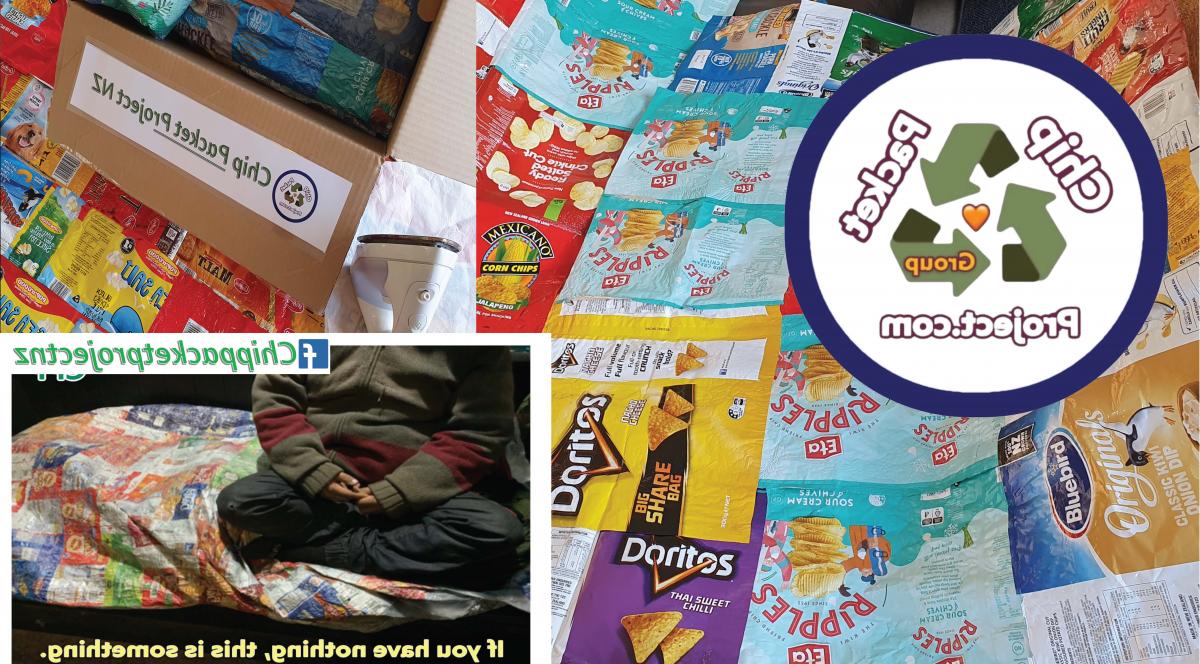
New homeless support initiative Chip Packet Project NZ (CPPNZ) has teamed up with Duke of Edinburgh’s Hillary Award to get kiwi rangatahi turning discarded chip and biscuit packets into thermal survival sheets, pillows and other vital items for those in need.
CPPNZ launched in September 2021, following a similar idea which began in the UK in 2019. National Coordinator Terrena Griffiths says the partnership will provide momentum to the initiative, by incentivising an army of young people to volunteer their time and effort gathering and processing foil packets typically used for chips, biscuits and crackers.
“It takes just 2 minutes on average to eat a packet of chips, but the foil from that chip packet can take 80 years to decompose in landfill.
“It’s actually fairly easy to clean, dry and fuse packets together to create all sorts of useful items like survival sheets, pillows, ground rolls and other essential items for those without a place to sleep.
“What Chip Packet Project NZ does is coordinate the collection of old packets, creation of sheets and partner with support services to get them to people in need.”
Items made from foil packages are already being trialed ‘in the field’ through the Auckland City Mission.
Duke of Edinburgh’s Hillary Award is a long-established community service scheme for 14 – 24 year olds, and helps connect the Chip Packet Project to willing volunteers. CPPNZ is proud to be recognised as the first accredited Award Assessor for the Duke of Edinburgh’s NZ’s new Environmental Kākāriki Journey Award.
“At a time when we are all so very aware of our planet’s plight and the environment and sustainability, turning empty foil packets into something useful reduces waste, provides comfort to those in need and diverts rubbish from landfill. For example, each survival sheet uses 44 foil chip packets - that's 3520 decomposing landfill years saved!”
Terrena Griffiths say, so far as they know, CPPNZ is the only organisation making these survival sheets in New Zealand.
About CPPNZ:
CPPNZ’s vision is to create momentum by establishing Fusion Groups in each New Zealand city making survival sheets, pillows, and torso mats for distribution to those in need through their local charities and community groups (all the while diverting rubbish from landfills).
The CPPNZ Facebook page reached 60,000 people in the initial 3 months of its operation.
Currently, there are four foil collection points in Auckland, one in Dunedin and one in Wellington.
Even the COVID lockdown in late-2021 has not been able to stop CPPNZ’s volunteers (called the CPPNZ Fusion Group) from being hard at work collecting, washing, and fusing foil. There are some great videos of this mahi in action on CPPNZ’s Facebook page @chippacketprojectnz.
Initially, CPPNZ is concentrating their efforts in Auckland and is exploring a partnership with the Auckland City Mission who are acknowledged as the experts in working with Auckland’s homeless. The Auckland City Mission is currently testing two survival sheets and a pillow ‘out in the field’.
For more information contact:
Terrena Griffiths – CPPNZ National Coordinator
Mobile: 022 027 0370
Email: chippacketprojectnz@gmail.com

Scam Alert: Bank cold calls
ASB is warning customers about reports of cold calls from scammers claiming to be from ASB. These scammers are trying to obtain personal information, including usernames, dates of birth, and verification codes sent to your mobile phone.
🛡️ The "Caller Check" Test
If you get a call from someone claiming to be from ASB and you’re unsure, just ask them for a Caller Check. You will then be able to verify the call through the app.
Remember, banks will:
❌ Never ask for your banking passwords, PINs, or verification codes
❌ Never need to know your full credit card number – especially the CVC
❌ Never ask you to download software or remotely access your device
❌ Never ask you to purchase gift cards or transfer funds.
If you have received a phone call and think your account has been compromised, call ASB on 0800 ASB FRAUD (0800 272 372), or visit your local branch.
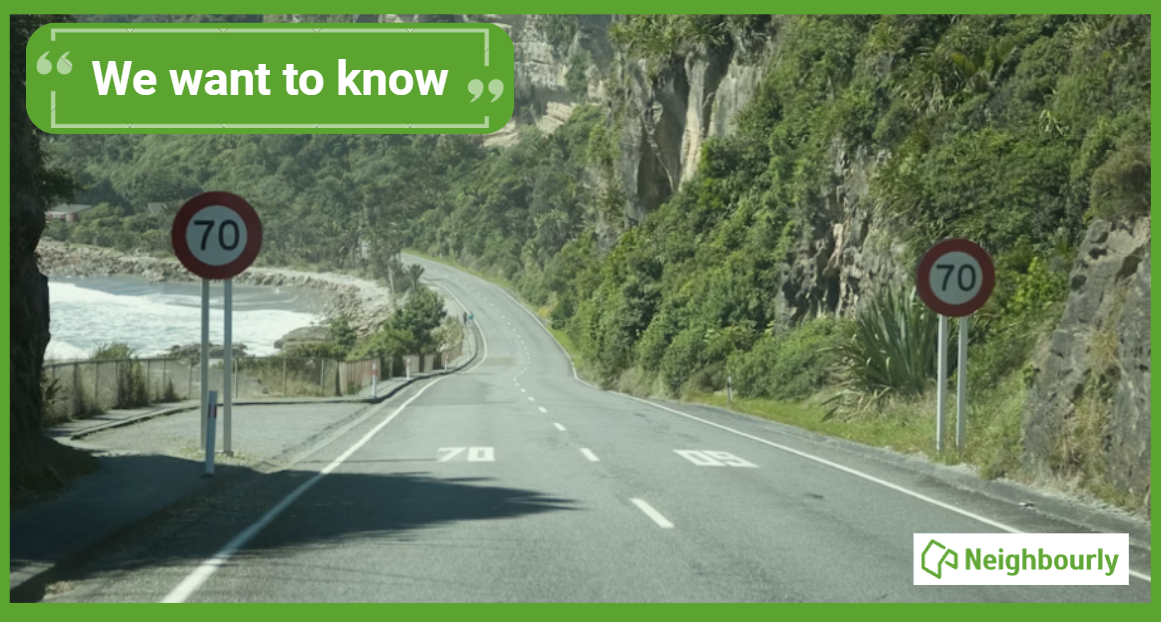
Poll: If we want to reduce speeding, what do you think actually changes driver behaviour? 🛻🚨🚓
In the Post's article on speeding penalties, the question is asked whether speeding fines are truly about road safety, or are they just a way to boost revenue for the Crown?
What do you think? Should speeding motorists receive speeding fines or demerit points?
-
37.6% The sting of a fine (Money talks!)
-
62.4% The threat of demerit points (Nobody wants to lose their license!)

Some Choice News!
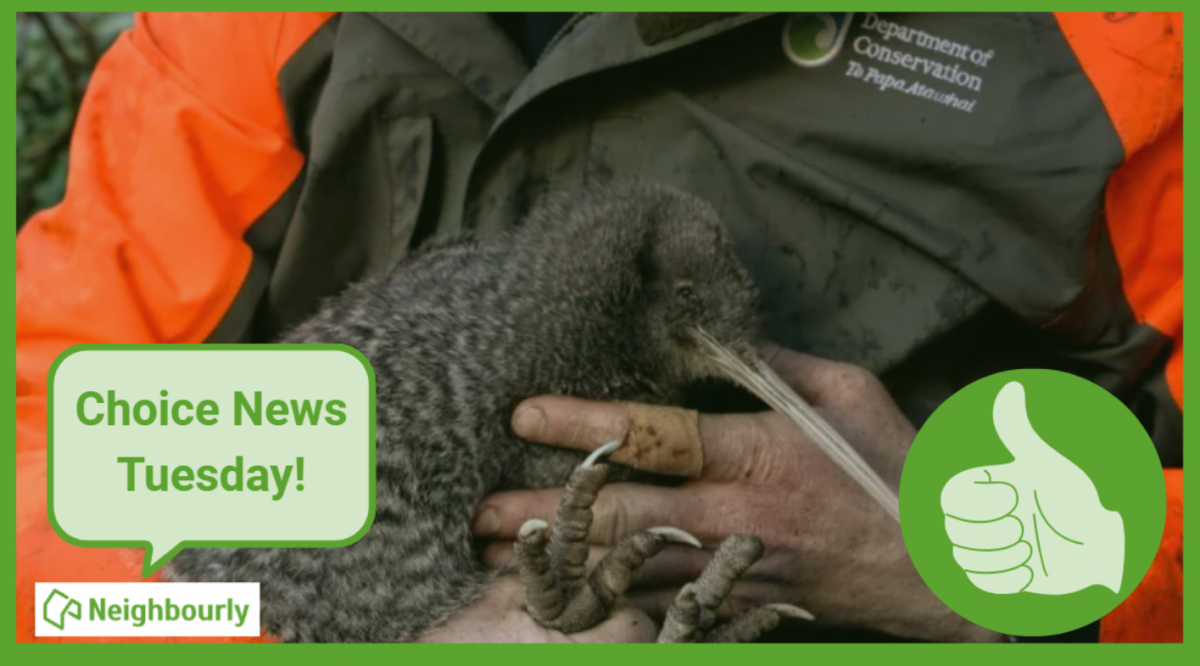
DOC is rolling out a new tool to help figure out what to tackle first when it comes to protecting our threatened species and the things putting them at risk.
Why does this matter? As Nikki Macdonald from The Post points out, we’re a country with around 4,400 threatened species. With limited time and funding, conservation has always meant making tough calls about what gets attention first.
For the first time, DOC has put real numbers around what it would take to do everything needed to properly safeguard our unique natural environment. The new BioInvest tool shows the scale of the challenge: 310,177 actions across 28,007 sites.
Now that we can see the full picture, it brings the big question into focus: how much do we, as Kiwis, truly value protecting nature — and what are we prepared to invest to make it happen?
We hope this brings a smile!
 Loading…