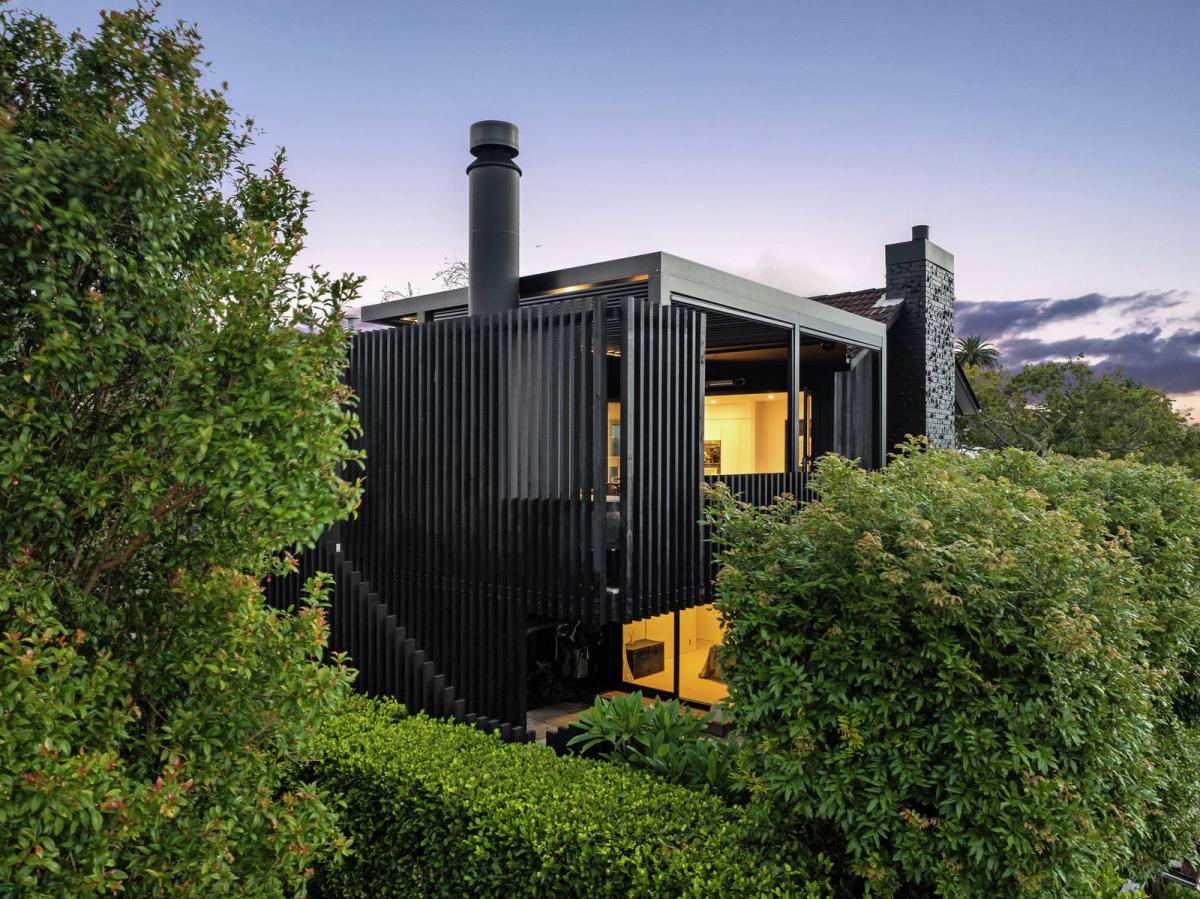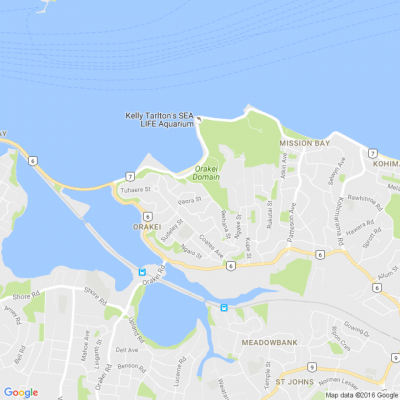
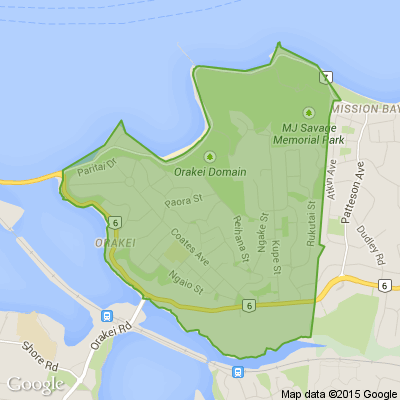






Human sex trafficking captured through the lens of Auckland photographer
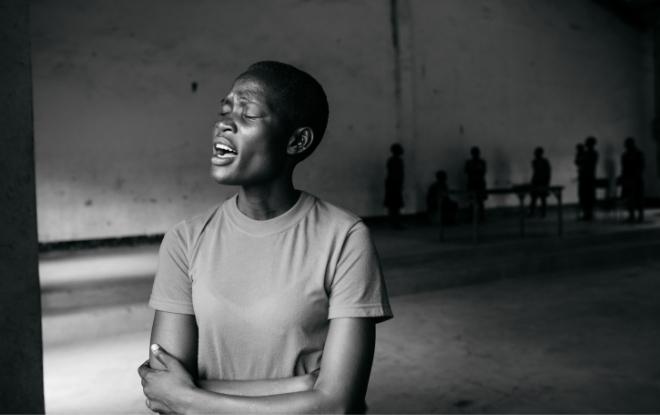
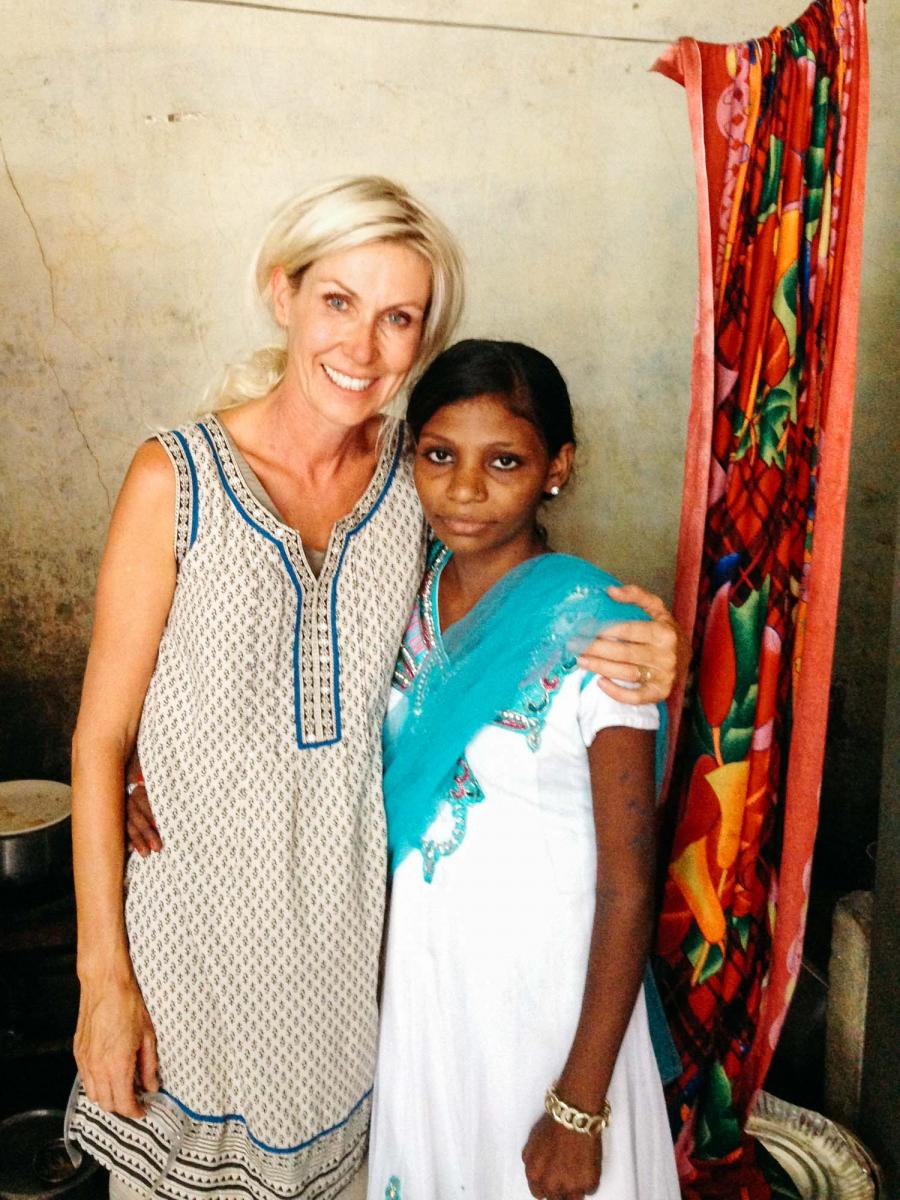
Nikki Denholm is haunted by the universal hollowness in eyes that have seen too much.
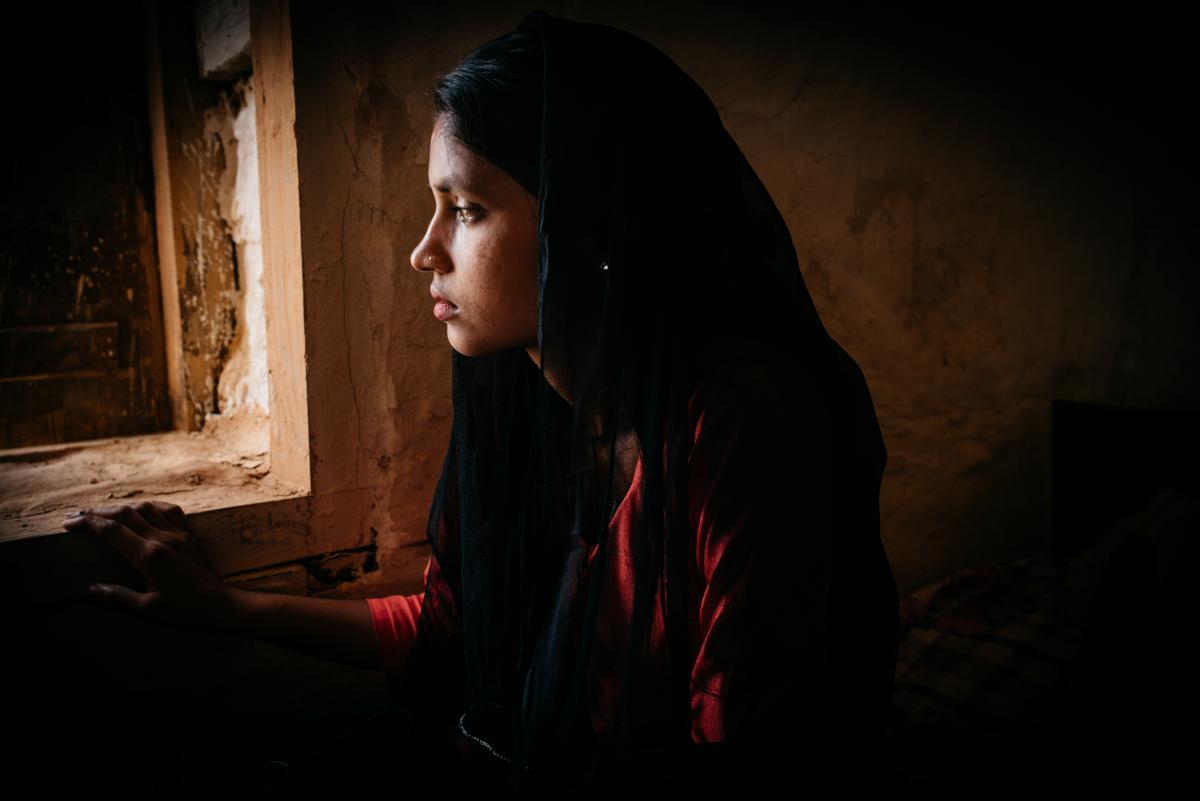
The Auckland photographer captures powerful images of young girls sold into sex slavery in countries ranging from Cambodia to Uganda.
“I’m there in what tiny way I can to tell their story, but when I come home the eyes stick,” Denholm said.
“The same sense of desolation and hopelessness you see in a lot of the girls’ eyes, no matter which country they’re from, is something that does stay with me.
“I might cry when they’re telling me their stories, but in terms of me processing the enormity of human trafficking and the injustice of it, that’s something I will pick up when I’m at home.”
Denholm, 53, has worked in more than 40 countries documenting the stories of people suffering through war, famine, persecution, and crisis.
The mother of three girls was inspired to focus on human sex trafficking six years ago after a symposium in India alerted her to the severity of the problem.
At the time, 16,000 girls each year were trafficked from Nepal across the border to India, she said.
The Mission Bay resident worked in a red-light district in Mumbai where an estimated 42,000 young girls were held captive in high-rise brothels across seven streets.
“I was quite shocked at how many young girls and women are sold into human sex trafficking and how poor the outcomes are for them in terms of ever being rescued,” Denholm said.
Today, it is estimated that between 28-30 million people across the world have been trafficked into some form of human slavery, with between four and a half million and five million sold into sex slavery, she said.
“Something happens at a different level when you see a photograph than when you just read four and a half million girls have been sex-trafficked. I think what a photograph does is it brings the issues into people’s hearts really.”
Human trafficking is the world’s fastest-growing criminal area, reaping an estimated NZ$230 billion profit a year, according to Tearfund.
Read more here: www.stuff.co.nz...


Summer Sunday Barefoot Bowls - Kohi Bowling Club
We are stretching out summer vibes with social Sunday lawn bowls in Kohimarama. Come hang out at ours!
No need to register, but reserve a rink for your group in advance - simply email letsplay@kohibowls.org with name / contact details / number in group and time. We will reserve a rink for you for one hour - if there is a wait, take a break at the bar and have a sausage and we will get you back onto another green if you want to play more before 4pm.


🪱🐦 When are you the most productive? 🌙🦉
The Post has been diving into our daily habits, and research suggests being an early bird or a night owl isn’t just a choice—it’s biology! We all have that specific time when our brains finally "click" into gear.
This raises a big question for the modern workplace. To get the best out of everyone, should employers accommodate our natural body clocks? This idea is at the heart of the four-day work week and flexible scheduling movements.
We want to hear from you:
1. When does your brain "click" into gear?
2. Would a flexible (or shortened) schedule change the way you work?

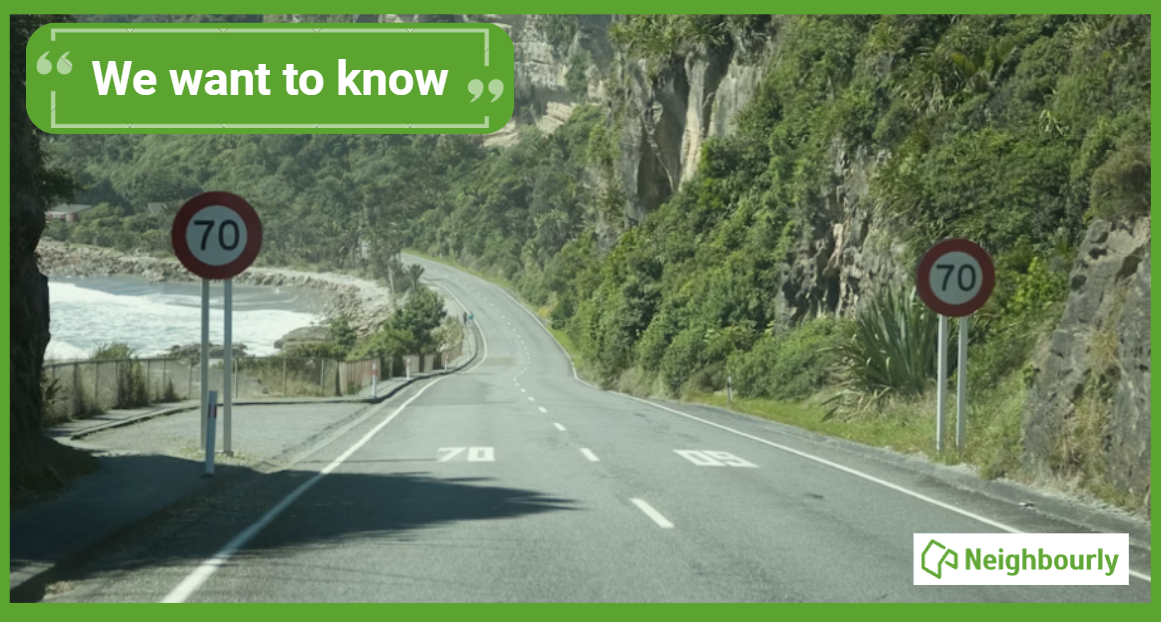
Poll: If we want to reduce speeding, what do you think actually changes driver behaviour? 🛻🚨🚓
In the Post's article on speeding penalties, the question is asked whether speeding fines are truly about road safety, or are they just a way to boost revenue for the Crown?
What do you think? Should speeding motorists receive speeding fines or demerit points?
-
35.8% The sting of a fine (Money talks!)
-
64.2% The threat of demerit points (Nobody wants to lose their license!)
 Loading…