






Reconnecting New Zealanders to the world
Today the Government launched a plan to safely re-open New Zealand’s borders from the first quarter of 2022, while sticking with the elimination strategy that has led the country’s COVID-19 response to date.
For now until the end of the year, the focus is on offering the vaccine to all eligible New Zealanders.The vaccination process is being accelerated to ensure everyone is at least partially vaccinated as soon as possible to avoid the risk and impact of Delta variant of COVID-19.
Once all eligible New Zealanders have had the opportunity to be vaccinated, there will be a phased approach to the re-opening of the border.
Phased approach
===============
From the first quarter of 2022, the country will look to move to new risk-based settings as soon as it’s safe. A self-isolation pilot for businesses that need to send staff overseas is planned in the second half of this year, and there are plans to develop new testing and vaccination checking systems at the border.
==========================
There will be new low, medium and high risk pathways when border and health systems are ready.
==========================
1. Low risk: Quarantine free entry for vaccinated travellers who have been in low risk countries.
2. Medium risk: Modified isolation for vaccinated travellers who have visited medium risk countries.
3. High risk: Full 14 days in MIQ and testing for unvaccinated travellers from medium risk countries and all travellers who have been in very high risk or high risk countries.
Testing regimes will remain across all three pathways. A traveller health declaration, including a vaccination certification, will be an important factor in determining the travellers' risk entry pathway on arrival.
=======================
Elimination strategy remains
========================
Sir David Skegg, Chair of the Government’s independent Public Health Advisory Group, said elimination does not necessarily mean “zero COVID-19” or eradication. Early in the pandemic, the Director-General of Health confirmed that our elimination approach focuses on zero tolerance towards new cases, rather than a goal of no new cases. "Our approach has followed this definition, which treats elimination as a process, rather than a permanent outcome," Sir David said today. Alert level restrictions, including lockdowns, will be deployed as we need to in future to quickly stamp out the virus, but greater vaccination coverage will also ultimately reduce the need to use lockdowns. If we open the borders now we will lose the freedoms and advantages we have worked so hard to achieve.
=======================================================

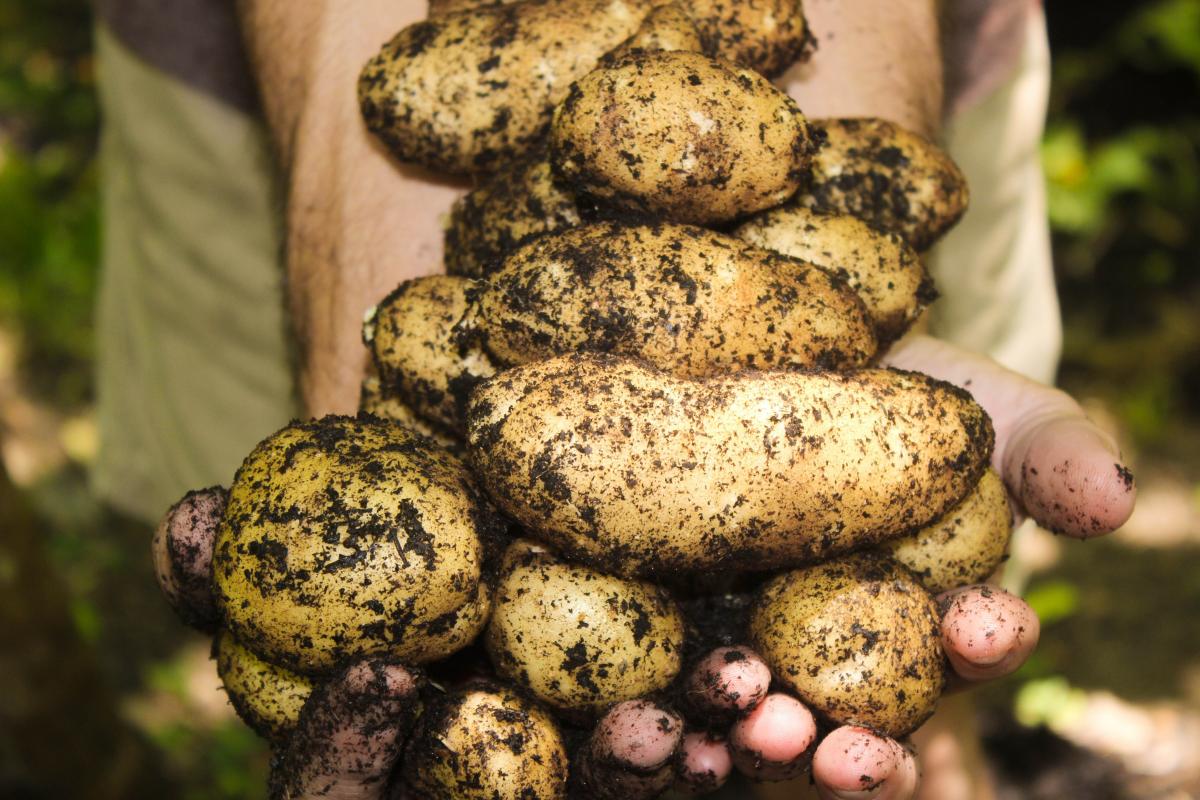
Share your favourite main crop potato recipe and win a copy of our mag!
Love potatoes? We will give away free copies of the May 2026 issue to readers whose potato recipes are used in our magazine. To be in the running, make sure you email your family's favourite way to enjoy potatoes: mailbox@nzgardener.co.nz, by March 1, 2026.

Poll: 🤖 What skills do you think give a CV the ultimate edge in a robot-filled workplace?
The Reserve Bank has shared some pretty blunt advice: there’s no such thing as a “safe” job anymore 🛟😑
Robots are stepping into repetitive roles in factories, plants and warehouses. AI is taking care of the admin tasks that once filled many mid-level office jobs.
We want to know: As the world evolves, what skills do you think give a CV the ultimate edge in a robot-filled workplace?
Want to read more? The Press has you covered!

-
52.6% Human-centred experience and communication
-
14.8% Critical thinking
-
29.8% Resilience and adaptability
-
2.8% Other - I will share below!

Some Choice News!
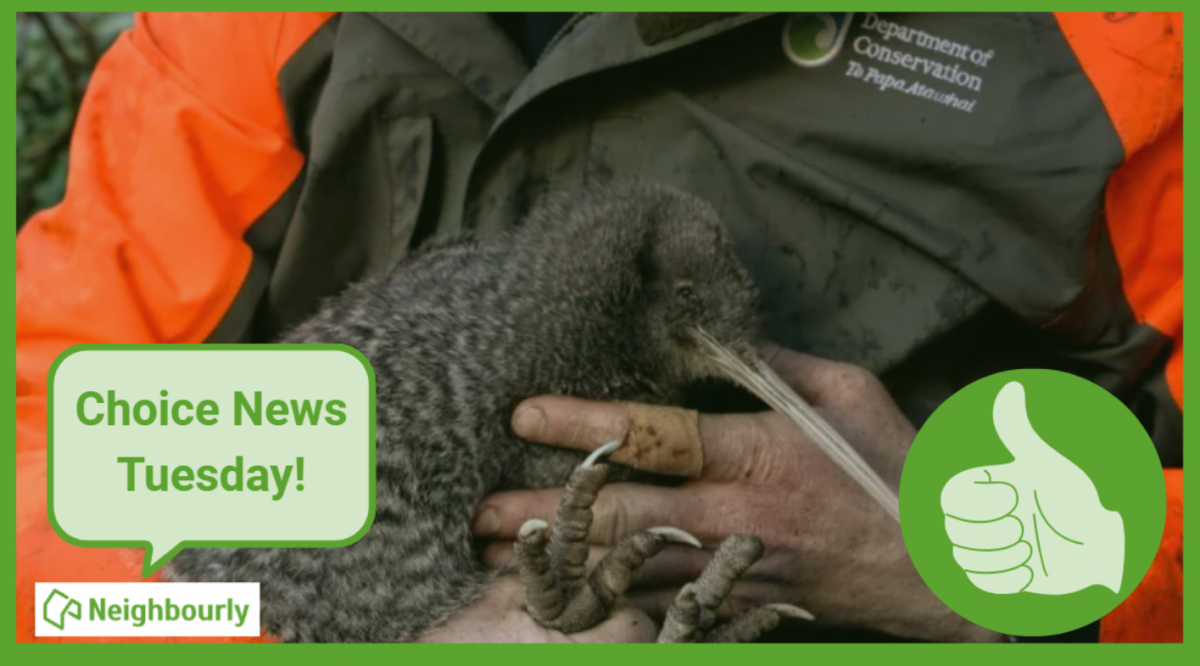
DOC is rolling out a new tool to help figure out what to tackle first when it comes to protecting our threatened species and the things putting them at risk.
Why does this matter? As Nikki Macdonald from The Post points out, we’re a country with around 4,400 threatened species. With limited time and funding, conservation has always meant making tough calls about what gets attention first.
For the first time, DOC has put real numbers around what it would take to do everything needed to properly safeguard our unique natural environment. The new BioInvest tool shows the scale of the challenge: 310,177 actions across 28,007 sites.
Now that we can see the full picture, it brings the big question into focus: how much do we, as Kiwis, truly value protecting nature — and what are we prepared to invest to make it happen?
We hope this brings a smile!
 Loading…