





Fraud Awareness Week
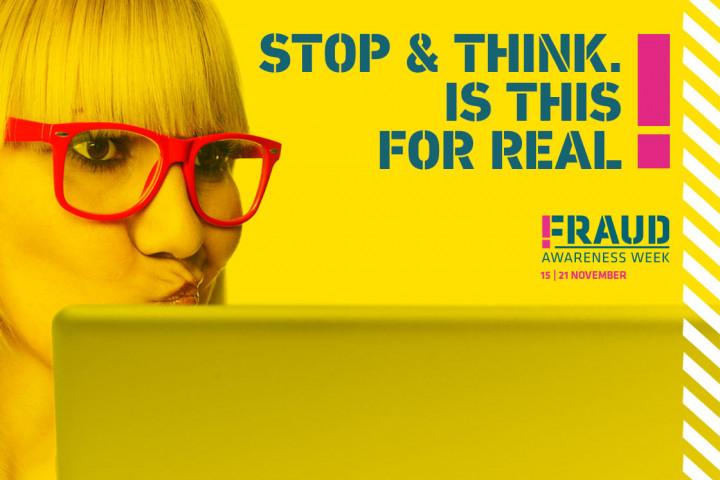
This Fraud Awareness Week we are encouraging Kiwis to take a moment to stop and think ‘is this for real?’ when contacted unexpectedly and asked for personal info.
New Zealand Police's Financial Intelligence Unit estimates New Zealanders lose $20-30 million annually to scams.
HOW TO AVOID A SCAM:
+ A genuine bank or organisation will never contact you to ask for your PIN, password or to move money to another account.
+ Never click on a link in an unexpected email or text – you could be giving access to your personal and financial details.
+ Always question uninvited approaches in case it is a scam. Instead, contact the company directly using a known email or phone number.
+ Don’t assume an email or phone call is authentic – just because someone knows your basic details (name and address, or mother’s maiden name) it doesn’t mean they are genuine.
+ Don’t be rushed into making a decision or financial transaction on the spot – a genuine bank or trusted organisation would never do this.
+ Listen to your instincts – if something feels wrong then it generally is.
If you believe you are the victim of a scam you can contact Police and report the matter via 105.
For more info on how you can prevent yourself, family and friends from being scammed, visit:

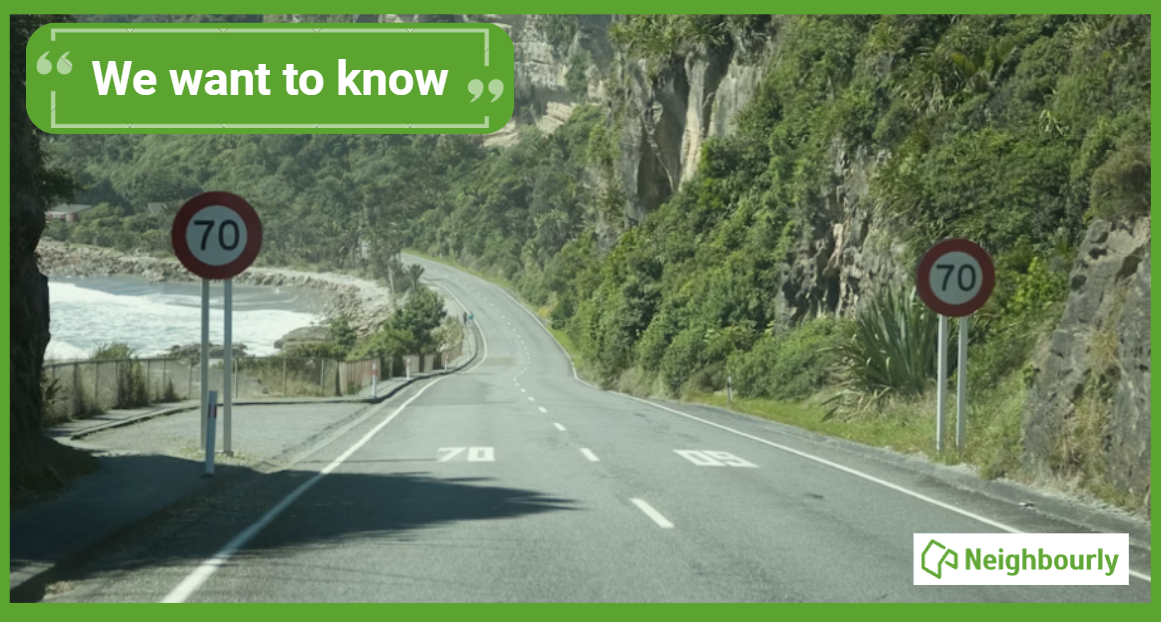
Poll: If we want to reduce speeding, what do you think actually changes driver behaviour? 🛻🚨🚓
In the Post's article on speeding penalties, the question is asked whether speeding fines are truly about road safety, or are they just a way to boost revenue for the Crown?
What do you think? Should speeding motorists receive speeding fines or demerit points?
-
37.1% The sting of a fine (Money talks!)
-
62.9% The threat of demerit points (Nobody wants to lose their license!)

🎉 Riddle me this, legends! 🎉
He/She who makes it, sells it.
He/She who buys it, doesn't use it.
The user doesn't know they are using it.
What is it?
(Shezz from Ngāruawāhia kindly provided this head-scratcher ... thanks, Shezz!)
Do you think you know the answer? Simply 'Like' this post if you know the answer and the big reveal will be posted in the comments at 2pm on the day!
Want to stop seeing these in your newsfeed?
Head here and hover on the Following button on the top right of the page (and it will show Unfollow) and then click it. If it is giving you the option to Follow, then you've successfully unfollowed the Riddles page.
Scam Alert: Bank cold calls
ASB is warning customers about reports of cold calls from scammers claiming to be from ASB. These scammers are trying to obtain personal information, including usernames, dates of birth, and verification codes sent to your mobile phone.
🛡️ The "Caller Check" Test
If you get a call from someone claiming to be from ASB and you’re unsure, just ask them for a Caller Check. You will then be able to verify the call through the app.
Remember, banks will:
❌ Never ask for your banking passwords, PINs, or verification codes
❌ Never need to know your full credit card number – especially the CVC
❌ Never ask you to download software or remotely access your device
❌ Never ask you to purchase gift cards or transfer funds.
If you have received a phone call and think your account has been compromised, call ASB on 0800 ASB FRAUD (0800 272 372), or visit your local branch.
 Loading…