




Breaking the Cycle of Taha Tinana (Physical Cravings) - Day 11
Breaking the Cycle of Taha Tinana (Physical Cravings)
In te ao Māori (the Māori worldview), humans are seen as beings of both taha tinana (the physical realm) and taha wairua (the spiritual realm). A balance between these aspects is essential for well-being. When we focus solely on satisfying our physical cravings—kai (food), moe (rest), hiahia (desires), and mataku (fear)—we risk losing our connection to wairuatanga (spirituality) and mauri (life force).
The Story of Tūmaro and the Sacred Rākau (Tree)
Once, a man named Tūmaro roamed the vast ngahere (forest) in search of a better life. He was tired, hungry, and filled with uncertainty about his future. As the sun blazed above him, he cried out to the atua (gods), seeking their guidance.
Hearing his plea, Tāne Mahuta, the atua of the forests, sent him a gift: a rākau manaaki (sacred tree) with the power to grant wishes. Exhausted, Tūmaro lay beneath the tree, and his first wish was for moe (rest). The tree immediately granted his desire, providing a cool shade, soft moss, and a gentle breeze that lulled him into a deep sleep.
When he awoke, his puku (stomach) growled with hunger. Without thinking, he wished for kai, and the tree responded with an abundance of delicious hākari (feast). He devoured it greedily, thanking no one for the gift.
Feeling satisfied, his mind wandered to hiahia (desire). Tūmaro wished for a companion to bring him pleasure and ease his loneliness. The tree granted this wish too, and soon he became absorbed in his desires, forgetting his original prayer to the atua.
As the day turned to night, Tūmaro became aware of the darkening ngahere and the distant calls of kēhua (spirits). Fear crept into his mind, and he thought, “What if a wild beast comes to attack me?” As soon as the thought arose, the sacred tree granted it—a kurī ngaro (ferocious beast) appeared and devoured him.
---
The Lesson of Tūmaro
The kaumātua (elders) who shared this story taught that Tūmaro’s downfall was not caused by the rākau manaaki but by his own lack of balance. By giving in entirely to taha tinana (physical cravings) without nurturing his taha wairua (spiritual self), he created a cycle that led to his destruction.
---
Values Reflected in the Story
1. Whanaungatanga (Connection): Tūmaro failed to acknowledge the atua and his connection to the world around him. Gratitude and mindfulness strengthen our relationships with others and with te taiao (the environment).
2. Wairuatanga (Spirituality): The story reminds us that taha wairua must be nurtured alongside taha tinana. Practices such as karakia (prayers) and aroha ki te Atua (love for the gods) maintain spiritual balance.
3. Manaakitanga (Respect and Care): Instead of respecting the sacred gift of the tree, Tūmaro became consumed by his personal desires, neglecting the importance of moderation and care.
4. Kaitiakitanga (Guardianship): The sacred tree symbolises the resources of Papatūānuku (Earth Mother), which must be used responsibly, with gratitude and care.
---
Moral of the Story
The story of Tūmaro teaches us that balance is the key to a fulfilling life. Pursuing the needs of taha tinana without acknowledging taha wairua leads to imbalance and harm. To thrive, we must practice gratitude, moderation, and mindfulness. As values remind us, nurturing our spiritual connection ensures harmony within ourselves, our whānau, and the wider world.
In Tūmaro’s story, the sacred rākau served not only as a gift but also as a reminder of the power of our intentions and the need to honor both physical and spiritual well-being.
Noticeboard
My neighbour wants to know if asking Drivingmissdaisy or a taxi drive from Freemans Bay into the city is much cheaper. My grandson has broken things on my computer & I cant look it up so does anyone know the answer.THANKS.

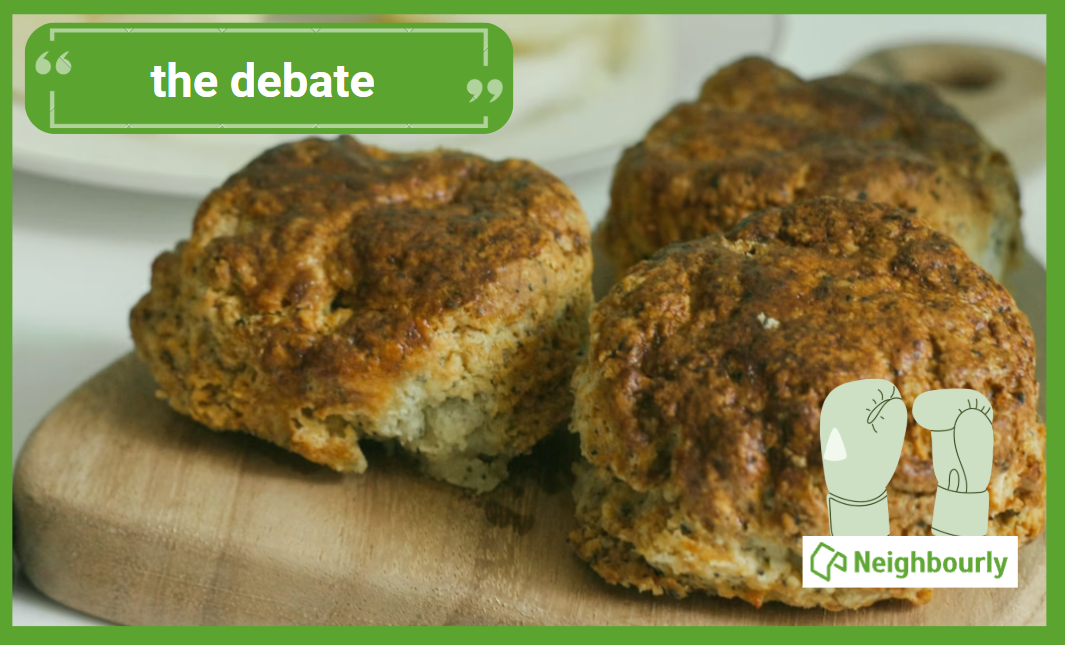
Poll: Does a savoury scone require cheese on top, or folded inside?
Help settle the great kiwi debate ... cheese on top, or folded inside?
-
76.3% Inside!
-
23.7% On top!
Poll: Are you still heading to your local for your caffeine fix, or has the $$ changed your habits? ☕
Auckland has a thriving cafe culture, but with costs climbing, that culture is under pressure. We’ve seen the headlines about recent closures across the country, and it’s a tough pill to swallow along with a $6+ coffee.
We all want our favourite spots to stay open, but we also have to balance our own budgets ⚖️
We want to know: How are you handling the "coffee math" in 2026? Are you still heading to your local for a chat and a caffeine fix, or has the cost of living changed your habits?
Keen to read more about "coffee math"? The Post has you covered.

-
41.8% I avoid spending money on coffee
-
42.2% I still indulge at my local cafe
-
16% Irrelevant - coffee is not for me
 Loading…