





Te Pūrākau o Raukura me te Rama o te Whakapātaritari - Day 27
The Story of Raukura and the Lamp of Detachment
In the serene valleys of Aotearoa, a young wahine named Raukura lived among her iwi. She was known for her tireless dedication to her kawa and tikanga—the sacred customs handed down by her tūpuna. She worked on the marae, tended the whenua, and performed the karanga with a voice that resonated like the winds of Tawhirimātea. Yet, in her heart, Raukura felt a longing.
One night, under the light of a full moon, Raukura sought the guidance of her kaumātua, Matakite. He was a tohunga of deep wisdom, known for helping others navigate the wairua realm.
“E Koro,” Raukura said, “I fulfill all my responsibilities to the iwi, but I still feel bound by this world. How can I find peace and freedom in the embrace of Io Matua Kore when my journey ends?”
Matakite smiled knowingly. “Raukura, come to the whare tīpuna at dawn. Bring nothing but your open heart.”
The next morning, Raukura arrived. Inside the whare, a single lamp made of carved pounamu glowed softly. Its flame flickered, yet remained steady.
“This lamp,” said Matakite, “is your mahi, your duties, and your attachments. Your task is to keep it burning, no matter what happens. But remember, the flame is not yours to own.”
Raukura nodded and embraced her new role. Day by day, she cared for the lamp, ensuring it burned brightly while continuing her mahi—weaving cloaks, planting kumara, and guiding her younger whānau in karakia. As time passed, she began to take pride in how brightly the lamp shone, believing it reflected her worth.
One stormy night, a strong gust from the mountains of Tāwhirimātea blew through the whare. The flame flickered and went out. Distressed, Raukura tried everything to relight it, but the damp air and her trembling hands made it impossible.
Exhausted, she sat beside the extinguished lamp, her heart heavy with shame.
At dawn, Matakite entered the whare. Seeing Raukura’s sorrow, he asked gently, “E hine, why do you grieve so?”
“Koro,” Raukura replied, “I have failed. The flame is gone, and I could not keep it alive. I have dishonored my tikanga and my purpose.”
Matakite sat beside her, placing a reassuring hand on her shoulder. “E moko, the lamp was never yours to hold forever. Its flame, like all things in this world, is impermanent. You have misunderstood its purpose.”
Raukura looked at him with tearful eyes. “Then what was the lesson, Koro?”
“The flame represents your attachments,” Matakite explained. “Your mahi and tikanga are sacred, but if you become attached to the outcomes of your actions, you lose sight of the eternal. True peace, te rongo, comes when you serve with aroha, but without clinging to success or fearing failure. Your ultimate purpose is to let go of all attachments and keep your heart fixed on Io Matua Kore, the source of all life.”
Raukura listened deeply, and understanding dawned in her heart. She began to see that her role was not to control the flame but to nurture it while it lasted, and then release it when its time had passed.
From that day forward, Raukura lived differently. She continued her mahi with devotion, but she no longer tied her self-worth to the outcomes. Whether the lamp burned brightly or dimmed, her heart remained steadfast, her thoughts centered on Io Matua Kore.
Years later, when Raukura’s time came, she lay peacefully, surrounded by her whānau. As the final karakia was sung, her last breath carried the whisper of Io Matua Kore’s name. Her spirit soared, free from the bonds of the material world, reunited with the eternal light.
Moral of the Story:
In life, we must fulfill our tikanga and mahi with dedication and aroha, but without attachment to the results. Everything in this world is temporary, like the flickering flame of a lamp. True peace comes when we let go of our attachments and fix our hearts on Io Matua Kore, the eternal source of life. When we embrace detachment, we can find liberation in this life and beyond.

Valentine's Gifts
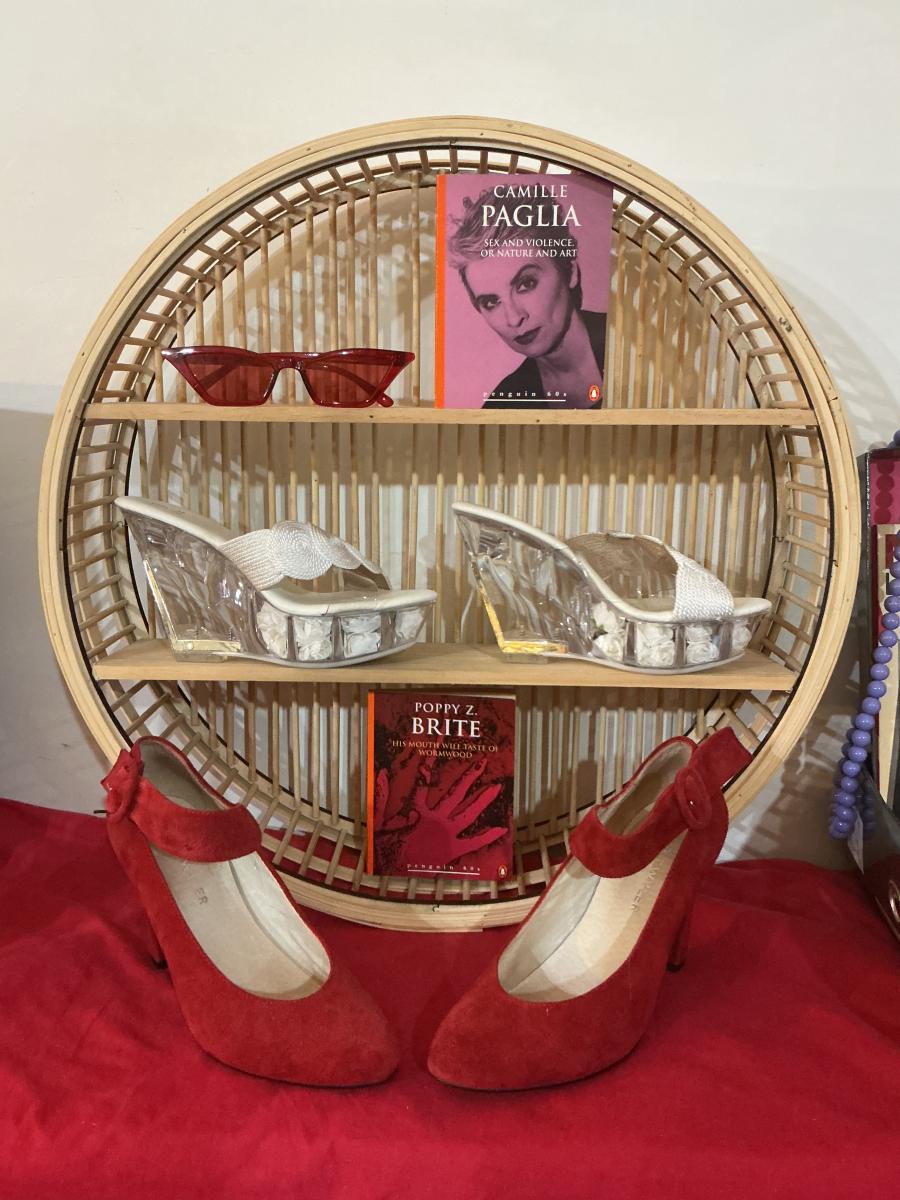
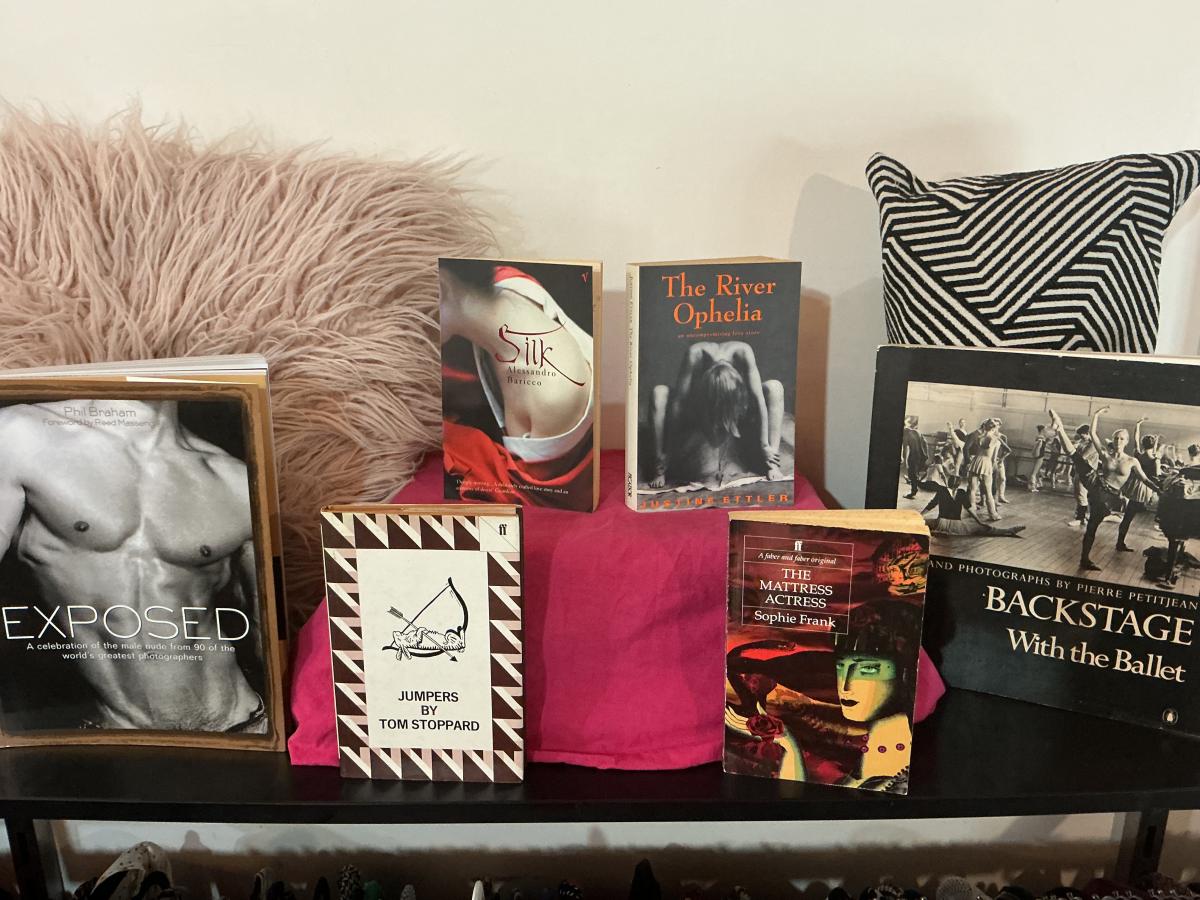
A collection of rare and fabulous books just arrived at the Red Cross Shop K Road! The perfect gift for your lover this Valentine's Day 💘
📍191 Karangahape Road, Auckland Central
🕐 Mon-Sun: 9.00am to 5.30pm
📞 093778072


Poll: As a customer, what do you think about automation?
The Press investigates the growing reliance on your unpaid labour.
Automation (or the “unpaid shift”) is often described as efficient ... but it tends to benefit employers more than consumers.
We want to know: What do you think about automation?
Are you for, or against?
-
9.4% For. Self-service is less frustrating and convenient.
-
43.5% I want to be able to choose.
-
47.1% Against. I want to deal with people.

Time to Tickle Your Thinker 🧠
If a zookeeper had 100 pairs of animals in her zoo, and two pairs of babies are born for each one of the original animals, then (sadly) 23 animals don’t survive, how many animals do you have left in total?
Do you think you know the answer? Simply 'Like' this post and we'll post the answer in the comments below at 2pm on the day!
Want to stop seeing these in your newsfeed? No worries! Simply head here and click once on the Following button.

 Loading…