







Watch out for this pretty flower
Green thumbs are being asked to watch out for a beautiful but toxic flower that could be growing in their backyards.
What you need to know:
- Every part of the plant is poisonous, and can cause gastroenteritis, thirst, paralysis, blindness, and heart and kidney failure.
- This plant is hardy and normal pest control efforts are often not enough to eradicate.
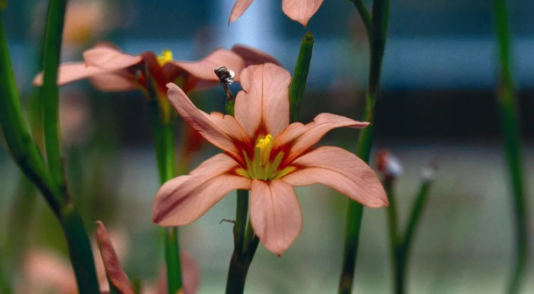
- The cape tulip, growing up to 90cm high with one strap-like leaf, was introduced to Aotearoa in the 1940s, the Ministry for Primary Industries’ manager for pest management John Sanson said. “Cape tulips, like many of these invasive weeds, are really attractive ornamental species ...but they escape over people’s backyard fences and into pasture, as these things often do,”
- It was classified as a noxious plant in the late 1970s after they were discovered to cause harm to livestock and humans, even killing animals when too much as ingested.
- The salmon-pink flowers bloom for about two days a year between June and December, and have previously been an ornamental species for keen gardeners.
Sanson urged people who believed they had the weed growing on their property to leave it untouched and contact Biosecurity New New Zealand’s Exotic Pest and Disease on 0800 80 99 66.
Once a site was confirmed, manual removal or chemical treatment would start.
Poll: Does a savoury scone require cheese on top, or folded inside?
Help settle the great kiwi debate ... cheese on top, or folded inside?

-
76.4% Inside!
-
23.6% On top!

Don't overthink this riddle...
I have a silver sole
but no feet,
I make my living by bringing the heat.
What am I?
Do you think you know the answer? Simply 'Like' this post if you know the answer and the big reveal will be posted in the comments at 2pm on the day!
Want to stop seeing these in your newsfeed?
Head here and hover on the Following button on the top right of the page (and it will show Unfollow) and then click it. If it is giving you the option to Follow, then you've successfully unfollowed the Riddles page.

Poll: Should we ditch daylight saving? 🕰️
First introduced in New Zealand in 1927 with the passing of the Summer Time Act, it's what we know as 'Daylight Saving' and this year it ends on the first Sunday in April.
While we do get to sleep in this time around, some people would like to scrap the clock tinkering for good.
And why? Some evidence suggests the time changes are bad for our health as they mess with sleep patterns leading to short-term fatigue and affecting mood. Meanwhile the hour change is frustrating for farmers and a nightmare for getting the littlies to sleep. But what's your take?

-
0% Yes - get rid of the clock changes
-
0% No, I enjoy it
-
0% Other - I'll share below
 Loading…