




New Zealand passport slips further in power rankings
New Zealand passport holders have some bad news. The little black book of Kiwi travel has slipped further in the passport power rankings. According to the Henley Passport Index, which tracks the number of visa-free travel options for passport holders, New Zealand has dropped to 9th place in the global rankings. This is down a place on last year and five whole places since its top ranking in 2015. Japan was top of the list for a third year with visa-free access to an impressive 191 destinations. It outpaced Singapore by one place (190), with which shared the title of world's most powerful passport last year. South Korea holds joint third place with the German EU passport granting access to 189 countries visa-free. Asian passports appear to dominate the list, with European passports representing the remainder of the top spots. With access to an impressive 183 countries New Zealand's passport is firmly in the top ten and still a valuable asset to any international traveller. However, it would appear part of a downward trend for English-speaking countries.
=======================================================
The Kiwi passport which was ranked 4th in 2015 now shares 9th place with Canada and Australia.
=======================================================
The UK passport having held the most powerful place on the list in 2015 has slid to eighth position. There is a similar case for American passport holders, which dropped from second place four years ago to the bottom of the top 10. Dr Christian Kaelin the chairman of Henley and Partners called this year's results a "clear argument for the benefits of open-door policies and the introduction of mutually beneficial trade agreements." Japan was a model of this passport power play that allows its citizens to enjoy travel to 191 countries visa-free. "Over the past few years, we have seen the world adapt to mobility as a permanent condition of global life. The latest rankings show that the countries that embrace this reality are thriving, with their citizens enjoying ever-increasing passport power and the array of benefits that come with it," said Dr Kaelin. Another worrying trend is the difference between the top and bottom of the table. With a record 165 country gap between Japan and Afghanistan - the world's least powerful passport – there appears to be a growing gap in the mobility of countries in the league. While Asian passports were consolidating power, the gulf states of the United Arab Emirates(66th) and Saudi Arabia(18th) are slowly climbing the rankings. At the bottom of the list are Somalia, Pakistan, Syria and Afghanistan, which have remained unchanged in the bottom five places for the past three years.
=========================================================

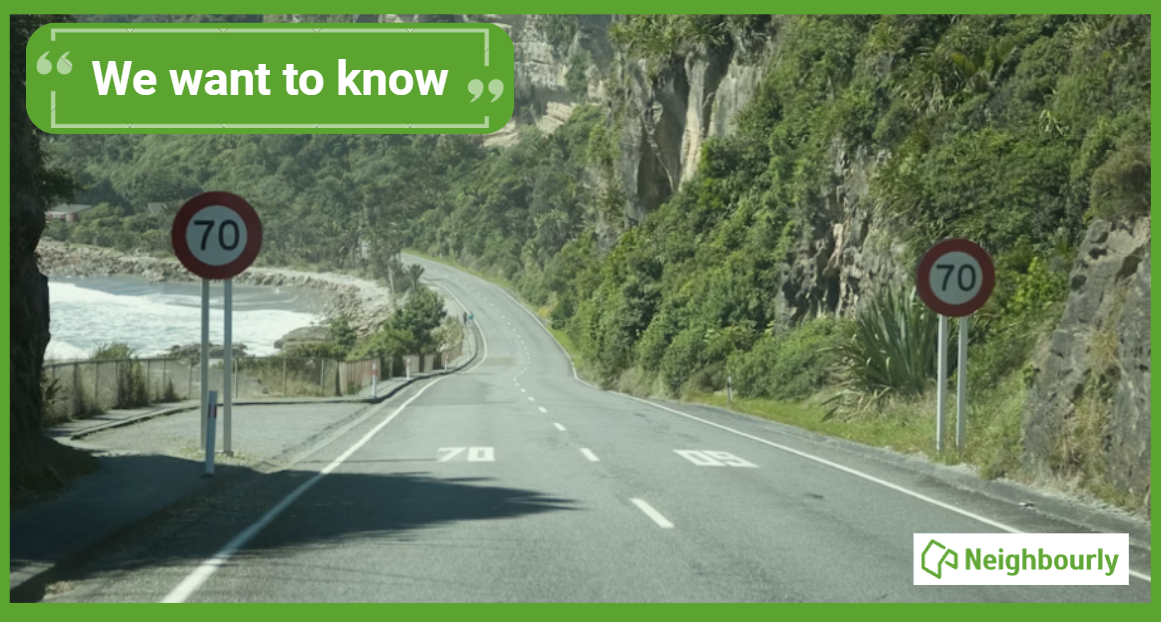
Poll: If we want to reduce speeding, what do you think actually changes driver behaviour? 🛻🚨🚓
In the Post's article on speeding penalties, the question is asked whether speeding fines are truly about road safety, or are they just a way to boost revenue for the Crown?
What do you think? Should speeding motorists receive speeding fines or demerit points?
-
37.1% The sting of a fine (Money talks!)
-
62.9% The threat of demerit points (Nobody wants to lose their license!)

Energy Resilience & Security
“India is facing a highly precarious situation for its energy security if the Strait of Hormuz – the world’s most critical oil shipping chokepoint – remains closed amidst the escalating Middle East crisis.”
Can you imagine how easy it is to choke New Zealand’s supply of oil & gas if it ever found itself in a conflict situation? How easy it is to blow up a 1 Billion Dollar LNG facility? Evan as a non-combatant like India you can be badly effected.
How about distributed solar installations on tens of thousands of roofs? Supported by distributed wind and tidal power?
Alternative energy won’t make companies rich - but it beats coal, oil, gas on not only price but security, resilience (just ask Ukraine), job creation, and the environment hands down.
It’s a no-brainer - unless you are a profit-oriented used car salesman … how did NZ ever end up with him? Nearly as bad as Trump.

Some Choice News!
DOC is rolling out a new tool to help figure out what to tackle first when it comes to protecting our threatened species and the things putting them at risk.
Why does this matter? As Nikki Macdonald from The Post points out, we’re a country with around 4,400 threatened species. With limited time and funding, conservation has always meant making tough calls about what gets attention first.
For the first time, DOC has put real numbers around what it would take to do everything needed to properly safeguard our unique natural environment. The new BioInvest tool shows the scale of the challenge: 310,177 actions across 28,007 sites.
Now that we can see the full picture, it brings the big question into focus: how much do we, as Kiwis, truly value protecting nature — and what are we prepared to invest to make it happen?
We hope this brings a smile!

 Loading…