







Warning: Whatsapp to stop working on older smartphones
Messaging app Whatsapp has stopped working on a range of dated smartphones today, the company has confirmed. From December 31, Whatsapp, owned by Facebook, will no longer work on Microsoft's Windows Phone and all smartphones running on Windows Mobile software as the company no longer develops for Windows mobile platforms. Facebook said users of Microsoft operating systems had not been able to create new Whatsapp accounts since earlier this year, after Microsoft announced it intends to kill off its phone software. Microsoft has urged smartphone users still using its operating systems to switch to an iPhone or Android by January. Whatsapp, which launched in 2009, has also confirmed it would remove some support for some older Apple and Android devices in 2020. Android versions 2.3.7 and older, and iOS 8 and older will lose support for the messaging service on February 1, Daily Mail reports. Each year Whatsapp removes support for older devices it says do not "offer the kind of capabilities we need to expand our app's features in the future". "'This was a tough decision but the right one to give people better ways to keep in touch with friends, family and loved ones," the messenger service said. Some support for older phone using Windows operating systems was removed at the beginning of 2018, along with support for BlackBerry devices. Facebook stopped developing its Facebook, Messenger and Instagram apps for Windows Phones in April. Apple says only 7 per cent of devices are running on a version of its operating system older than its latest iOS 12, released in 2018. Whatsapp will continue to support devices running on Android 4.0.3 and onwards, and iPhones running on iOS 9 and onwards.
=========================================================

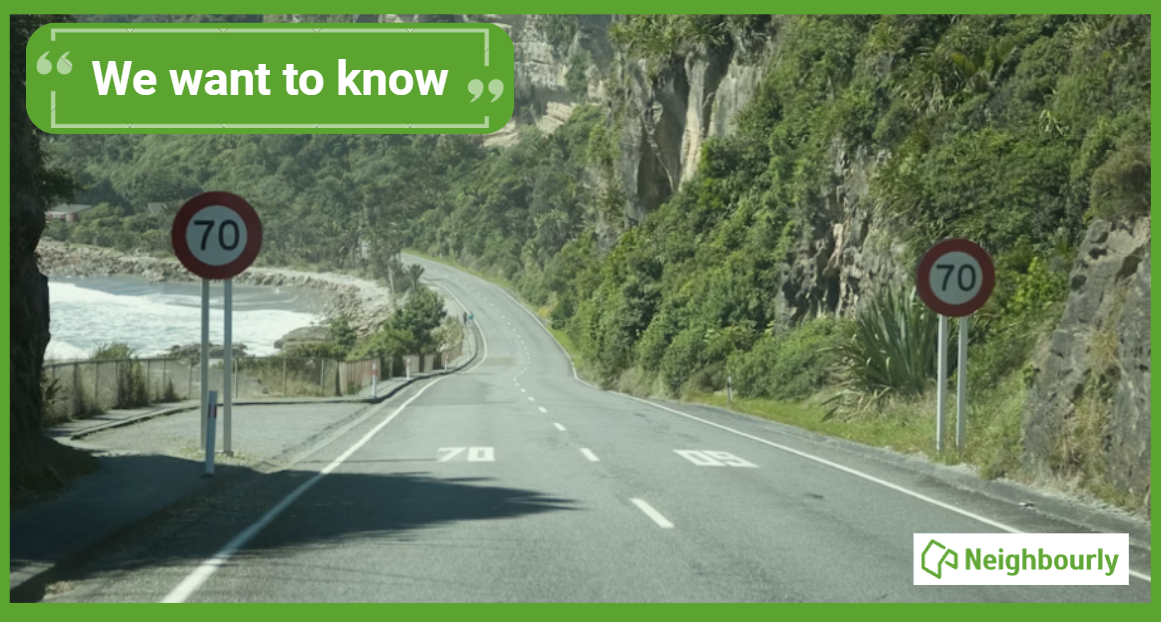
Poll: If we want to reduce speeding, what do you think actually changes driver behaviour? 🛻🚨🚓
In the Post's article on speeding penalties, the question is asked whether speeding fines are truly about road safety, or are they just a way to boost revenue for the Crown?
What do you think? Should speeding motorists receive speeding fines or demerit points?
-
37.1% The sting of a fine (Money talks!)
-
62.9% The threat of demerit points (Nobody wants to lose their license!)

Energy Resilience & Security
“India is facing a highly precarious situation for its energy security if the Strait of Hormuz – the world’s most critical oil shipping chokepoint – remains closed amidst the escalating Middle East crisis.”
Can you imagine how easy it is to choke New Zealand’s supply of oil & gas if it ever found itself in a conflict situation? How easy it is to blow up a 1 Billion Dollar LNG facility? Evan as a non-combatant like India you can be badly effected.
How about distributed solar installations on tens of thousands of roofs? Supported by distributed wind and tidal power?
Alternative energy won’t make companies rich - but it beats coal, oil, gas on not only price but security, resilience (just ask Ukraine), job creation, and the environment hands down.
It’s a no-brainer - unless you are a profit-oriented used car salesman … how did NZ ever end up with him? Nearly as bad as Trump.

Some Choice News!
DOC is rolling out a new tool to help figure out what to tackle first when it comes to protecting our threatened species and the things putting them at risk.
Why does this matter? As Nikki Macdonald from The Post points out, we’re a country with around 4,400 threatened species. With limited time and funding, conservation has always meant making tough calls about what gets attention first.
For the first time, DOC has put real numbers around what it would take to do everything needed to properly safeguard our unique natural environment. The new BioInvest tool shows the scale of the challenge: 310,177 actions across 28,007 sites.
Now that we can see the full picture, it brings the big question into focus: how much do we, as Kiwis, truly value protecting nature — and what are we prepared to invest to make it happen?
We hope this brings a smile!

 Loading…