






Bread shortage hits North Island supermarkets
It's a sandwich lover's worst nightmare. North Island supermarkets are bracing for a bread shortage as loaf makers walk off the job over pay and conditions. A reader was forced to resort to buns for her kids' lunchboxes today after finding Hobsonville Countdown supermarket shelves all but bare of loaves of bread on Tuesday night.
"Bread aisle at Countdown tonight ... #breadshortage?" Signs have gone up in other West Auckland supermarkets warning customers of a national bread shortage. "Due to Tip Top going on strike there is limited bread available. We hope to have a full range soon," the signs read. Countdown spokeswoman Charlotte Mee confirmed "supply issues" were affecting their stock. "Bread is always incredibly popular at any time of the day but unfortunately at the moment we're experiencing a few supply issues in the Upper North Island for some brands of sliced bread.
"There are plenty of buns, loaves and other bread products from our bakery and they're almost always available for customers as we bake throughout the day based on demand in each store." The shortage is linked to industrial action by more than 100 FIRST Union members at George Weston Foods' Tip Top bakeries in Otahuhu and Wiri.
The strike action meant much of the North island faced potential bread shortages. "Tip Top bakery workers are fighting to put bread on their own tables after years of negligible pay rises and no recognition of the family time they have to sacrifice to enable the company's 24/7 operation," union spokeswoman Anita Rosentreter told.
George Weston Foods general manager of baking Mark Bosomworth said the strike action meant the company was only likely to produce half its usual bread production on Tuesday and Wednesday, affecting North Island supply. Many customers would notice a slim pickings on supermarket shelves but Wellington and South Island supplies were unlikely to be affected. The company was disappointed with the union's action. Many of the claims had been settled. "We pay competitive rates, we provide good training and we provide a safe, modern work environment for our staff," he told.
==========================================================

Poll: If we want to reduce speeding, what do you think actually changes driver behaviour? 🛻🚨🚓
In the Post's article on speeding penalties, the question is asked whether speeding fines are truly about road safety, or are they just a way to boost revenue for the Crown?
What do you think? Should speeding motorists receive speeding fines or demerit points?
-
37.3% The sting of a fine (Money talks!)
-
62.7% The threat of demerit points (Nobody wants to lose their license!)
Scam Alert: Bank cold calls
ASB is warning customers about reports of cold calls from scammers claiming to be from ASB. These scammers are trying to obtain personal information, including usernames, dates of birth, and verification codes sent to your mobile phone.
🛡️ The "Caller Check" Test
If you get a call from someone claiming to be from ASB and you’re unsure, just ask them for a Caller Check. You will then be able to verify the call through the app.
Remember, banks will:
❌ Never ask for your banking passwords, PINs, or verification codes
❌ Never need to know your full credit card number – especially the CVC
❌ Never ask you to download software or remotely access your device
❌ Never ask you to purchase gift cards or transfer funds.
If you have received a phone call and think your account has been compromised, call ASB on 0800 ASB FRAUD (0800 272 372), or visit your local branch.

Some Choice News!
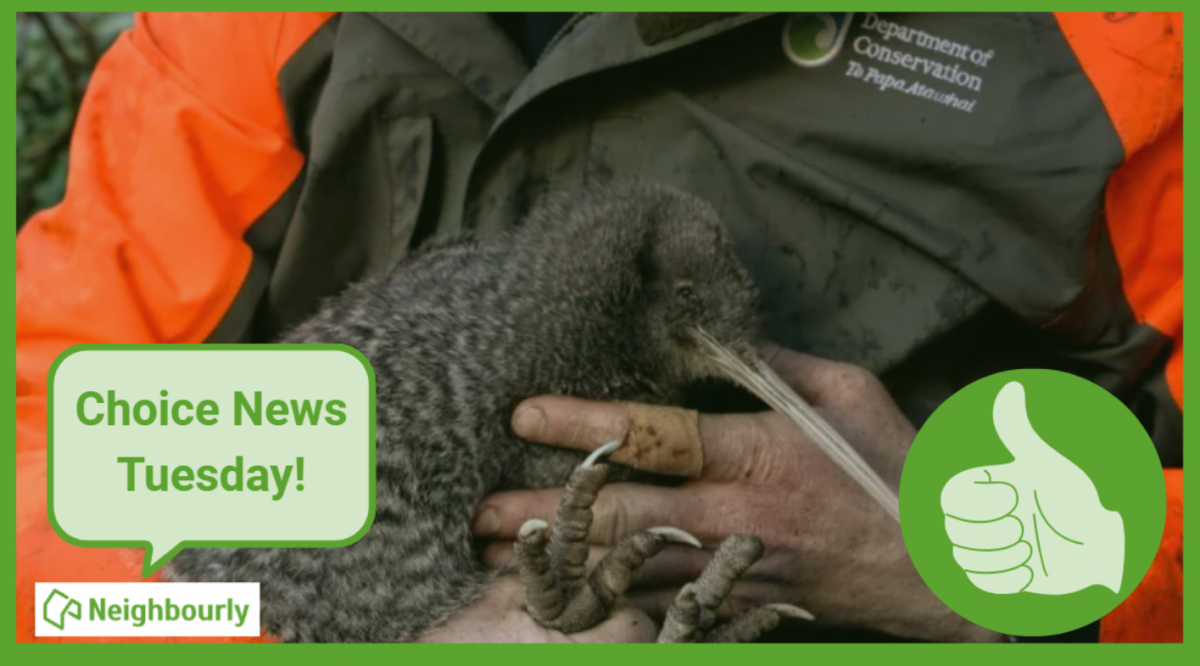
DOC is rolling out a new tool to help figure out what to tackle first when it comes to protecting our threatened species and the things putting them at risk.
Why does this matter? As Nikki Macdonald from The Post points out, we’re a country with around 4,400 threatened species. With limited time and funding, conservation has always meant making tough calls about what gets attention first.
For the first time, DOC has put real numbers around what it would take to do everything needed to properly safeguard our unique natural environment. The new BioInvest tool shows the scale of the challenge: 310,177 actions across 28,007 sites.
Now that we can see the full picture, it brings the big question into focus: how much do we, as Kiwis, truly value protecting nature — and what are we prepared to invest to make it happen?
We hope this brings a smile!
 Loading…