






How to be a good neighbour
Neighbours in Tamaki's Te Kare neighbourhood build community through regular street working bees.
By the time Andrew Pether and his wife bought their house in the Fenchurch neighbourhood, newly developed by Tamaki Regeneration Company, they’d already gotten the hang of living in close density. Andrew’s wife had grown up in apartments in Europe; he’d done a stint in the UK in terraced housing where space was tight.
But they’ve been surprised and pleased at how close the people on their precinct have become. Most of the residents are new – Andrew only moved in April this year – so he thinks that’s helped create the network.
“We’ve got the Facebook groups going, we feed the cats or put the bins out when people are away,” he says. “We’d lost that for a while, everyone had their fortress and you didn’t bother trying. But because we’re all new together, we’re not suspicious, we get involved.”
Before they bought, the couple had rented for three or four years in the next development over, Wai O Taki Bay, so had enjoyed doing as much locally as they could. They’d sussed out the train station at Glen Innes, their daughter could bus to university or sports and they’ve found they’re using the car less and less – much like their time in London.
“You can’t have the quarter acre dream, but when you get realistic about what you can get for price, area, space and amenities, then it’s a good compromise,” says Andrew, pointing out that kids in the area scooter about and make the most of local parks, including the school grounds of the local college and primary school or there’s a triangle park for smaller kids to play closer to home.
“The number one rule is to compromise,” says Andrew. “Understand that not everyone has a parking space, so you have to be understanding that we’re all a bit tight for space.
“Be aware of the kids on scooters, so you take care, you act accordingly.”
A neighbourhood powhiri a month or so after the family moved to the street, organized by a couple of families, was the ice-breaker everyone needed: people introduced themselves in English, Maori, Tongan, different Indian languages and Filipino and it got the social media groups going.
“Our community is so diverse, you can’t tell which is state housing or not, people respect and appreciate each other and it does make you up your game a bit.
“For all sorts of people, living this close together is not foreign. Kiwis have to up their game a bit. It’s lovely to get out and start walking and doing as much as you can locally.”
On the other side of town, Amanda and her husband Mike have learned that lesson in the nearly three years they’ve been in Hobsonville Point.
Before buying there the couple had lived in another new and dense area, Stonefields, but was also familiar with city living from their time in London.
“For us it’s about helping each other out. That means mail collected, or putting rubbish out, but also being mindful when you’re parking that you’re not taking up too much room,” Amanda says.
Indeed, the family has loved not having to use their car, walking to daycare or the dairy, or to catch the ferry into the city. While Amanda and Mike’s kids are still small, they’ve noticed that the older kids are out playing – everyone seems to know everyone else’s kids – and are looking forward to their children being old enough to meet up on their own at the playgrounds dotted around Hobsonville Point.
The family have not found noise to be an issue, the adjoining walls in the terrace houses are well sound insulated, and they’ve noticed people are very respectful about not playing music too loud, notifying each other if a party is like to disrupt neighbours.
While houses have their own lawns and courtyards, there are also enthusiastic ‘berm days’ for cleaning up shared street areas (with a barbecue to finish) that cements bonds and promote pride in their street.
Amanda says being out on the streets, walking and keeping an eye out, is part of the attraction of dense living, with people keen to be involved in the community. Shopping locally, including the farmers market, but also other business, is another way of locking in a community, she says.
Andrew’s final tip for up-close neighbourly living: “Get involved, be nosy and just enjoy it.”
Article by Catherine Smith

Auckland Seniors & Travel Expo
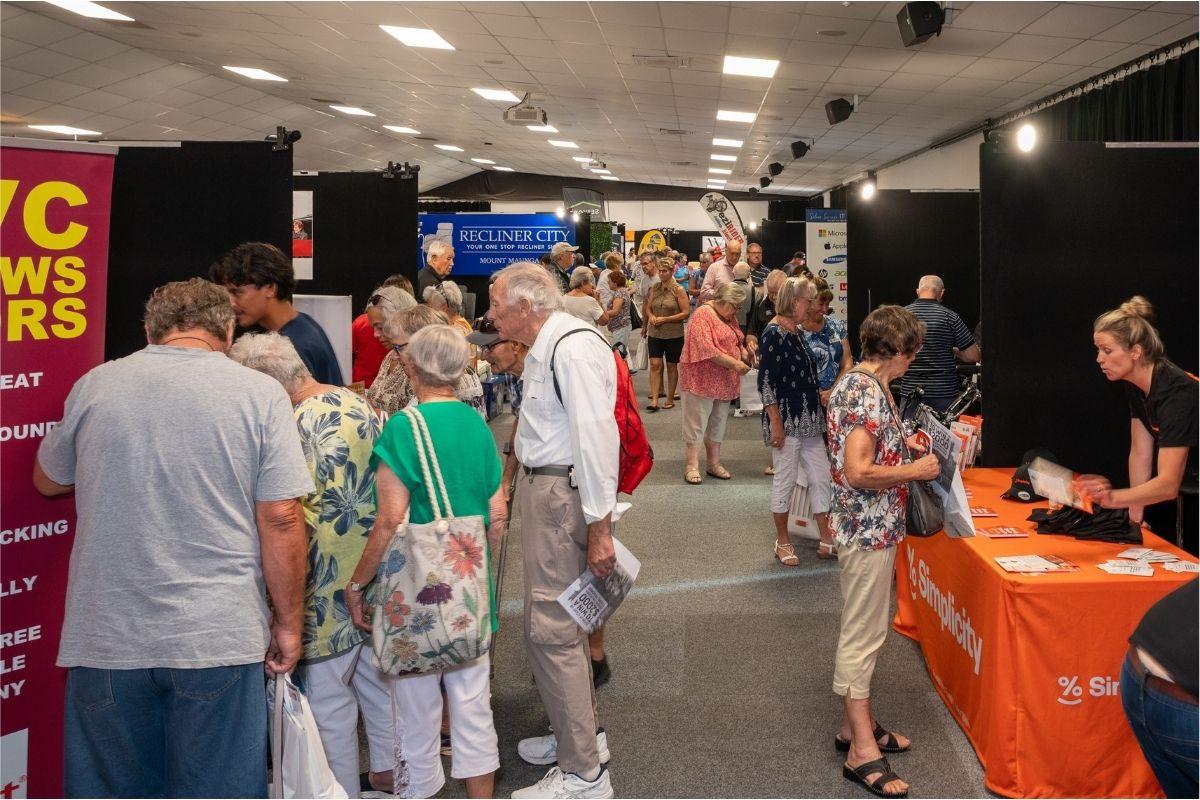
Neighbourhood locals are invited to the Auckland Seniors & Travel Expo, a relaxed and welcoming event bringing lifestyle, leisure, and travel together under one roof. Meet 50+ exhibitors showcasing travel ideas, retirement living, mobility solutions, health services, finance, and local clubs. Enjoy live music from Kulios, café seating, door prizes, and be in to win a Luxury Beachfront Escape for Two to Rarotonga.
North Harbour Stadium
28 February & 1 March
10:00am – 3:00pm
$10 entry

Poll: Should the government levy industries that contribute to financial hardship?
As reported in the Post, there’s a $30 million funding gap in financial mentoring. This has led to services closing and mentors stepping in unpaid just to keep helping people in need 🪙💰🪙
One proposed solution? Small levies on industries that profit from financial hardship — like banks, casinos, and similar companies.
So we want to hear what you think:
Should the government ask these industries to contribute?

-
60% Yes, supporting people is important!
-
25.7% No, individuals should take responsibility
-
14.3% ... It is complicated
Poll: Should complete designs be shared with the public, or should the community help shape the designs from the start?
The Post recently shared an opinion piece on the Harbour Crossing and why a more democratic approach might be needed 🚗🚲👟
While most decisions sit within the political arena, many organisations—like NZTA—manage long-term projects that go beyond party lines. Politics can sometimes disrupt progress, and the next Harbour Crossing is a big decision that will affect all Aucklanders.
We’d love your thoughts: Should near-complete, shovel-ready designs be shared with the public, or should the community have a hand in shaping the designs from the start?

-
88% Community feedback and transparency is needed.
-
12% No. This would be impossible in practice.
 Loading…