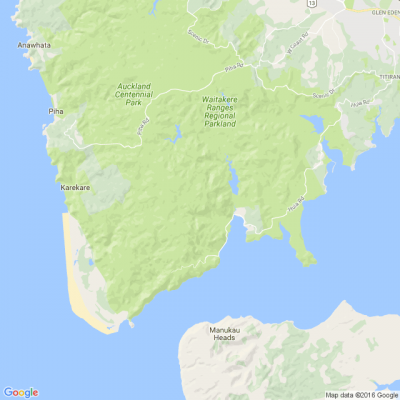
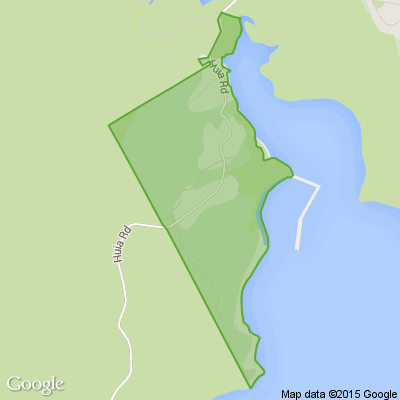





WATERCARES' PLANS FOR TITIRANGI
Press release below from Titirangi Protection Group (TPG). If you care about this issue, the time for submissions is coming soon.
Media Release
Auckland, New Zealand, 13 July 2018
Goff's claim of ‘scrub and gorse’ is nonsense, say treatment plant protesters
Auckland’s endangered native bush will be destroyed by Watercare’s proposed Titirangi water treatment plant, two new reports reveal.
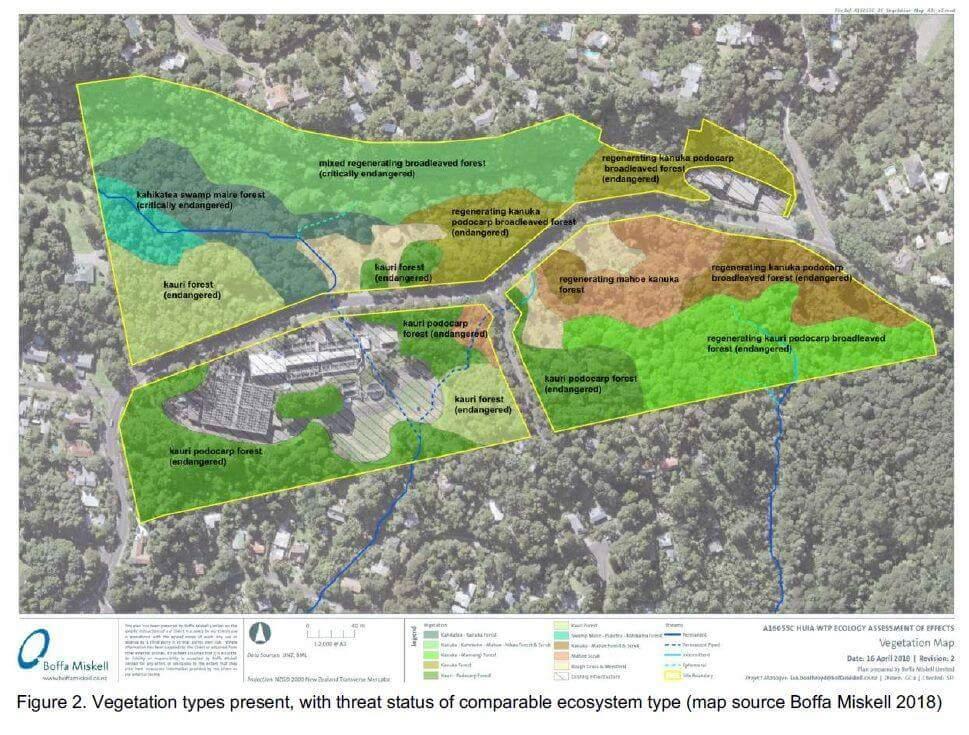
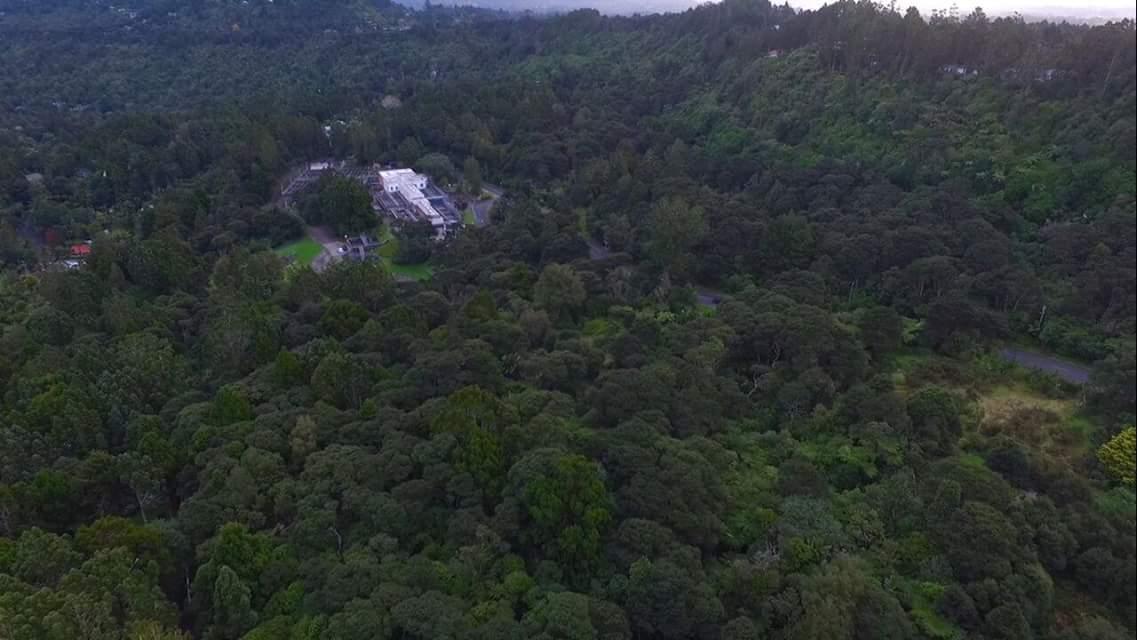
Seventy per cent of Watercare’s four-hectare treatment site has been described as "endangered forest ecosystem", seriously questioning Auckland Council's claims that the Titirangi forest is expendable.
Watercare originally tried to place its Water Treatment Plant (WTP) in Oratia but when that proposal was defeated by community protest Watercare was forced to shift its focus to Titirangi’s kauri regrowth forests.
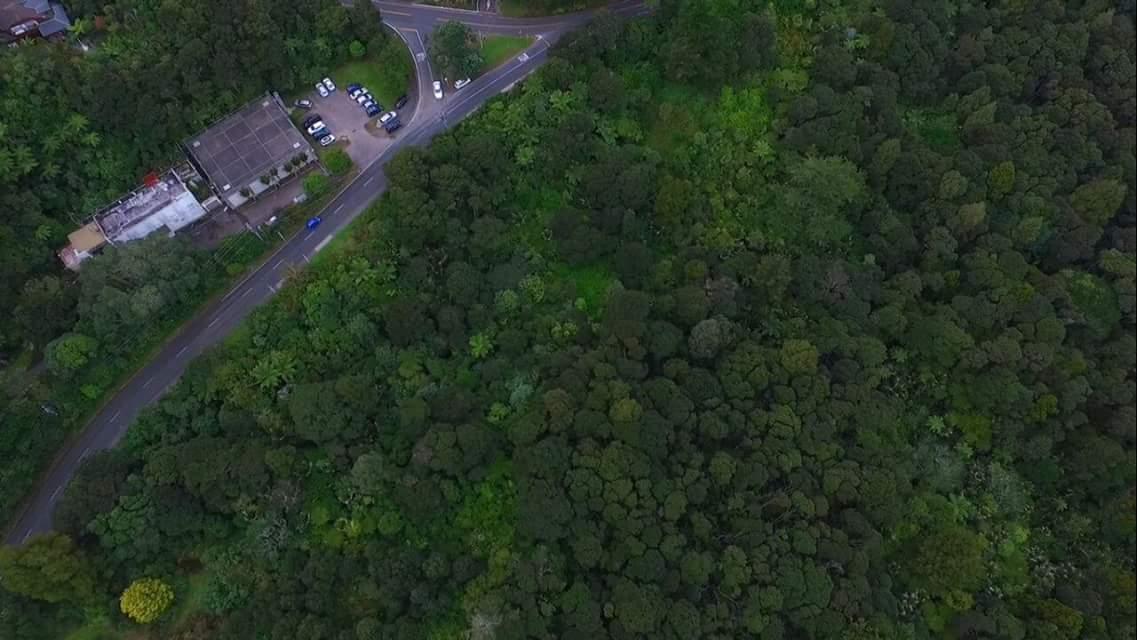
"Mayor Phil Goff has described the site as 'mostly scrub and gorse', which is pure stuff and nonsense," says Belynda Groot from the Titirangi Protection Group, the community organisation trying to stop bulldozers moving into the kauri forest. "Two ecological impact reports pour cold water on the idea that nothing of value is going to be destroyed, and one of those reports is from Watercare itself.”
One of the environmental reports was commissioned by Watercare and conducted by Boffa Miskell, while an independent report was written by respected ecologist, Shona Myers. Both reports recognise the high ecological value of the Titirangi site.
According to the Boffa Miskell report: “Our vegetation assessment identifies that endangered or critically endangered forest ecosystem types cover more than 70% of the Project Site.”
The Myers report goes into further detail: “The site itself is representative of regenerating forest types including kauri, present in this part of the foothills. It contains threatened ecosystem types (regenerating kauri forest, broadleaved forest and kahikatea-swamp maire forest) and nationally and regionally threatened species. The site forms linkages and corridors for wildlife with adjoining regional parkland forest.”
The adjoining parkland mentioned by Myers is home to two of Auckland’s oldest kauri (Clarks and Bishop). The reports also reveal that the proposed WTP site forms the headwaters which flow in to the Waituna Stream and Little Muddy Creek, home to endangered native freshwater fish species such as īnanga and long-finned eel.
Belynda Groot, says: “In a recent interview Mayor Goff described the site as mostly scrub and gorse so we hope that in light of evidence from experts, he will reconsider his position. We know that Watercare has been giving politicians a customised tour of a part of the site with the least ecological value, so confusion is understandable.”
Groot says the Titirangi Protection Group understands the need for a new water treatment plant but questions whether Watercare can decimate significant stands of native bush and still claim to prioritise sustainability.
“They need to go back to the long list or come up with a more innovative solution that doesn’t require the destruction of native forest.”
Groot points out that Watercare’s plans for a Titirangi WTP might also fail on a business-case argument. “Watercare admits the Titirangi site is a lot smaller than ideal for the scope of the project.”
Groot says Auckland Council recently closed the Waitakere Ranges to help save kauri from the very serious threat posed by kauri dieback and implemented a targeted rate of $311m to tackle the problem.
“On one hand ratepayers are saving the Waitakere kauri, and on the other hand they want to chop them down. Clean water shouldn’t be at the cost of our precious native forests - there are other more viable and sustainable options.”
ENDS
For comment or interview please reply to this email or contact:
Belynda Groot - Titirangi Protection Group
021 0235 1166
belyndag10@gmail.com

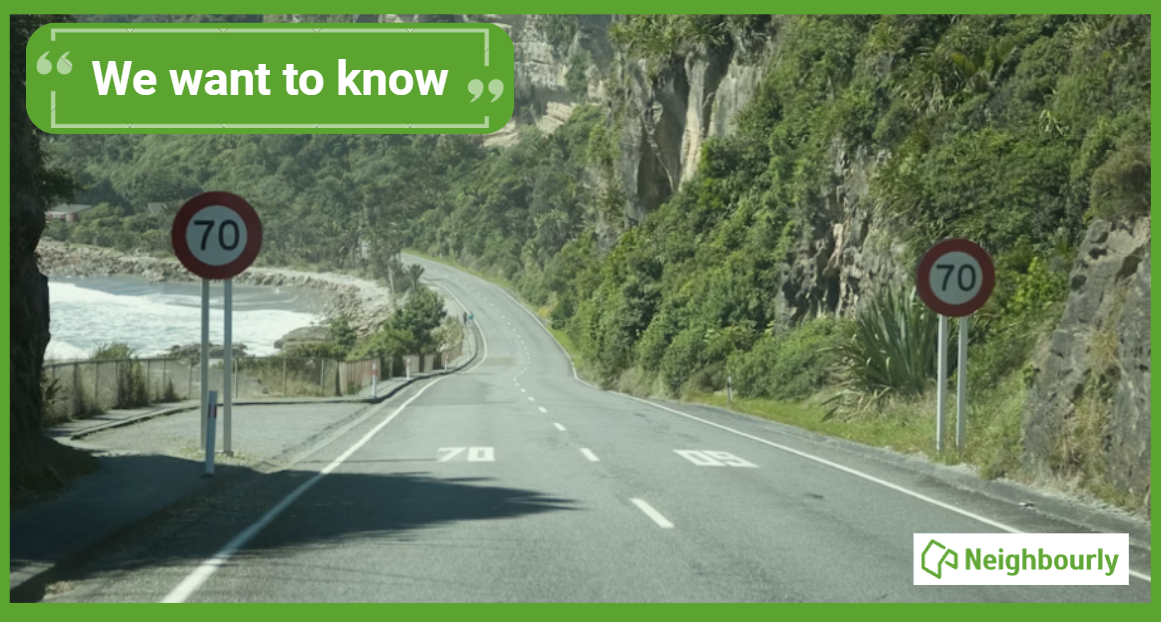
Poll: If we want to reduce speeding, what do you think actually changes driver behaviour? 🛻🚨🚓
In the Post's article on speeding penalties, the question is asked whether speeding fines are truly about road safety, or are they just a way to boost revenue for the Crown?
What do you think? Should speeding motorists receive speeding fines or demerit points?
-
36.5% The sting of a fine (Money talks!)
-
63.5% The threat of demerit points (Nobody wants to lose their license!)
Scam Alert: Bank cold calls
ASB is warning customers about reports of cold calls from scammers claiming to be from ASB. These scammers are trying to obtain personal information, including usernames, dates of birth, and verification codes sent to your mobile phone.
🛡️ The "Caller Check" Test
If you get a call from someone claiming to be from ASB and you’re unsure, just ask them for a Caller Check. You will then be able to verify the call through the app.
Remember, banks will:
❌ Never ask for your banking passwords, PINs, or verification codes
❌ Never need to know your full credit card number – especially the CVC
❌ Never ask you to download software or remotely access your device
❌ Never ask you to purchase gift cards or transfer funds.
If you have received a phone call and think your account has been compromised, call ASB on 0800 ASB FRAUD (0800 272 372), or visit your local branch.


Some Choice News!
DOC is rolling out a new tool to help figure out what to tackle first when it comes to protecting our threatened species and the things putting them at risk.
Why does this matter? As Nikki Macdonald from The Post points out, we’re a country with around 4,400 threatened species. With limited time and funding, conservation has always meant making tough calls about what gets attention first.
For the first time, DOC has put real numbers around what it would take to do everything needed to properly safeguard our unique natural environment. The new BioInvest tool shows the scale of the challenge: 310,177 actions across 28,007 sites.
Now that we can see the full picture, it brings the big question into focus: how much do we, as Kiwis, truly value protecting nature — and what are we prepared to invest to make it happen?
We hope this brings a smile!

 Loading…