





What you can and cannot put in kerbside recycling from February
Aucklanders are being urged to brush up on their recycling etiquette as new national standards come into effect at the beginning of next month.
Identical guidelines for what can and cannot be put into kerbside recycling bins across the country are due to come into force on February 1. Previously, local councils had different criteria for what recycling was accepted.
Items that will be accepted in kerbside recycling bins from February 1 include:
====================================================
Glass bottles and jars
Paper and cardboard
Plastic bottles, trays, and containers (grades 1, 2 and 5 only)
Tin, steel and aluminium cans
There are also some new items that will be excluded from February 1:
===================================================
Items less than 50mm (e.g caps, small cosmetic and spice containers)
Aerosol cans (steel and aluminium)
Liquid paperboard (Tetrapak and juice boxes)
Plastics 3, 4, 6 and 7
Aluminium foil and trays
All lids
Items over 4 litres
===============
Councillor Richard Hills encouraged Aucklanders to familiarise themselves with these new guidelines.
“By only putting in the right recyclable items into our bins, we are helping increase the quality of materials collected for recycling, which in turn reduces disposal costs.”
Hills, who is the chair of the Planning, Environment and Parks committee, said that this change is another important step along the path to Auckland Council's goal of zero waste by 2040.
“Reducing the use of single use items is the best way to reduce waste, following that, it is recycling right.”
The new guidelines also serve as a reminder of the issue of recycling contamination in Auckland.
Nearly a quarter of the material collected in Auckland’s kerbside recycling is contaminated with non-recyclable items, costing ratepayers an extra $3m a year in sorting and disposal.
Materials that show up in bins include food; textiles, carpets and clothes; nappies, medical waste and garden waste; soft plastic and plastic bags; bagged recycling and rubbish, and lithium-ion batteries and appliances.
For more information on the new recycling guidelines, see the Auckland Council website.
===============================================
www.1news.co.nz...
===============================================

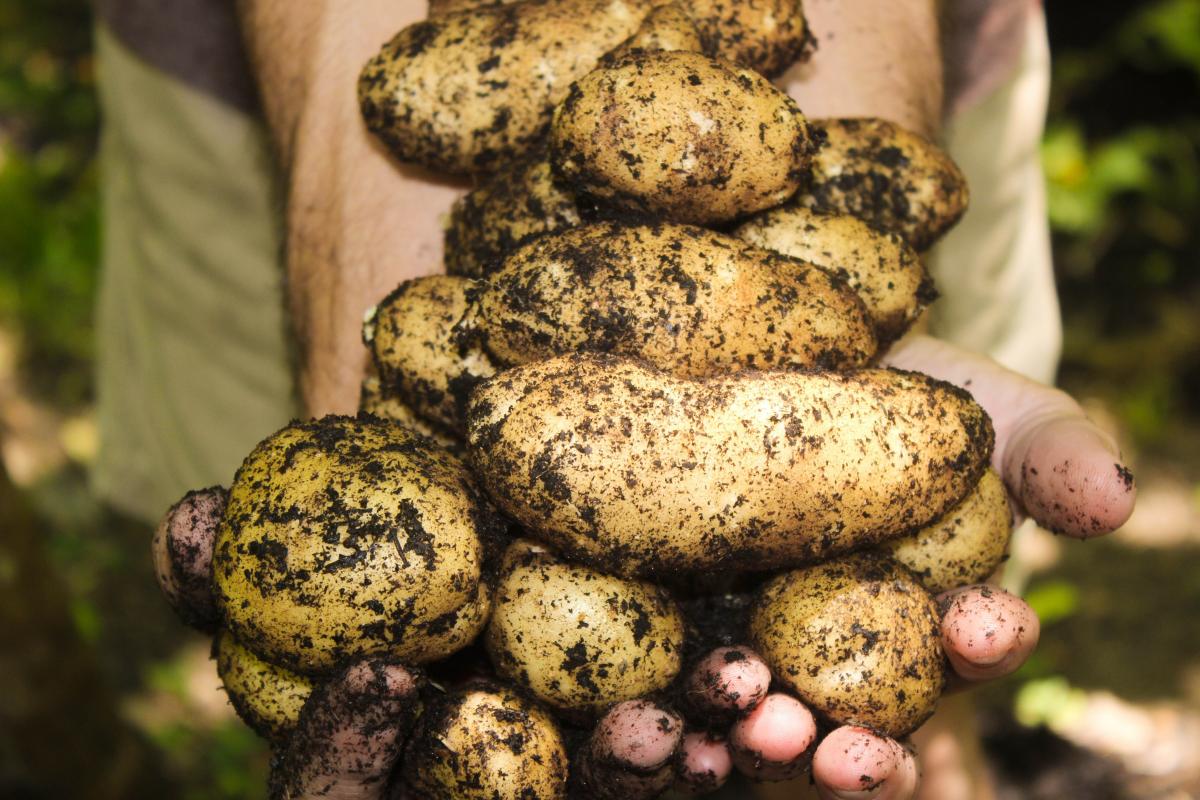
Share your favourite main crop potato recipe and win a copy of our mag!
Love potatoes? We will give away free copies of the May 2026 issue to readers whose potato recipes are used in our magazine. To be in the running, make sure you email your family's favourite way to enjoy potatoes: mailbox@nzgardener.co.nz, by March 1, 2026.

Poll: 🤖 What skills do you think give a CV the ultimate edge in a robot-filled workplace?
The Reserve Bank has shared some pretty blunt advice: there’s no such thing as a “safe” job anymore 🛟😑
Robots are stepping into repetitive roles in factories, plants and warehouses. AI is taking care of the admin tasks that once filled many mid-level office jobs.
We want to know: As the world evolves, what skills do you think give a CV the ultimate edge in a robot-filled workplace?
Want to read more? The Press has you covered!

-
52.6% Human-centred experience and communication
-
14.8% Critical thinking
-
29.8% Resilience and adaptability
-
2.8% Other - I will share below!

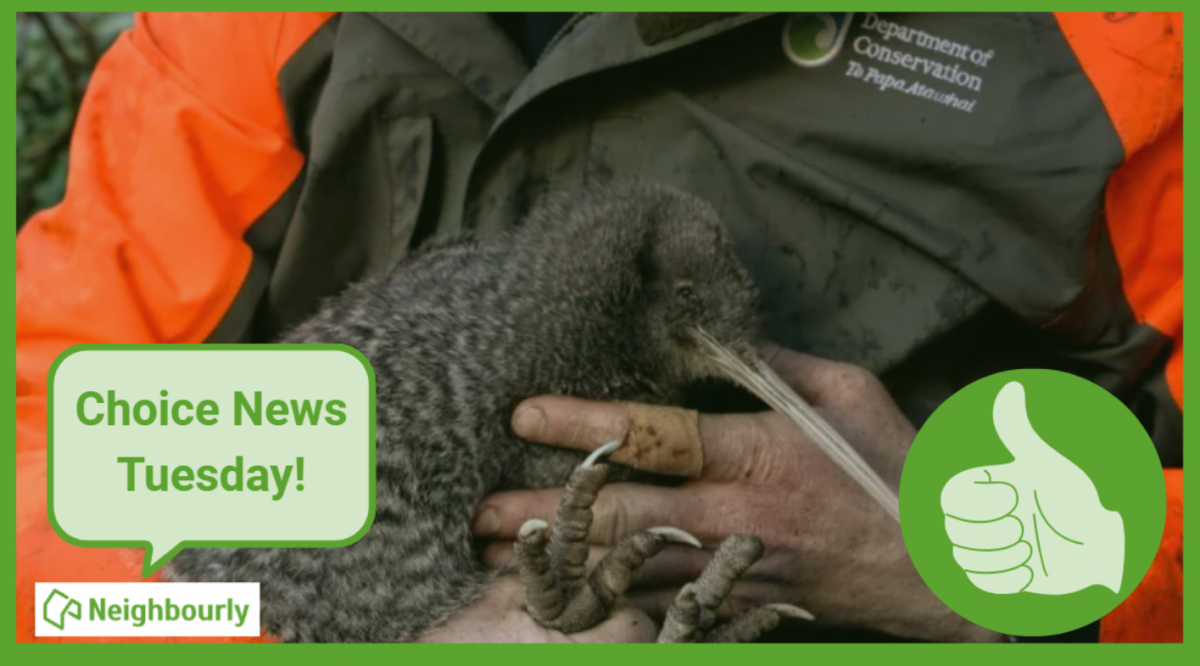
Some Choice News!
DOC is rolling out a new tool to help figure out what to tackle first when it comes to protecting our threatened species and the things putting them at risk.
Why does this matter? As Nikki Macdonald from The Post points out, we’re a country with around 4,400 threatened species. With limited time and funding, conservation has always meant making tough calls about what gets attention first.
For the first time, DOC has put real numbers around what it would take to do everything needed to properly safeguard our unique natural environment. The new BioInvest tool shows the scale of the challenge: 310,177 actions across 28,007 sites.
Now that we can see the full picture, it brings the big question into focus: how much do we, as Kiwis, truly value protecting nature — and what are we prepared to invest to make it happen?
We hope this brings a smile!
 Loading…