





Health workers needed in rural areas
By David Hill, Local Democracy Reporter
Recruiting medical professions into rural areas remains a challenge, says a North Canterbury mayor.
Health Minister Dr Shane Reti says Health New Zealand has made good progress in recruiting staff, but Hurunui mayor Marie Black says rural areas are missing out.
Training more health professionals is a priority in Budget 2024, with $22 million set aside for doctor training.
‘‘That will take us from an intake of 589 this year to an intake of 614 from next year,’’ Reti said.
‘‘We are also progressing a cost benefit analysis for a proposed third medical school through Waikato University, which will focus on primary and rural care.’’
While overseas-trained medical professionals make a valuable contribution, Reti said training young New Zealanders was more sustainable in the long term.
‘‘Health workforce shortages are a problem in every country around the world.
‘‘That is why it is so important we invest in training doctors and other health professionals here in New Zealand.’’
In the year to December 2023, Health NZ recruited more than 200 full-time equivalent senior doctors, 2500 nurses, nearly 100 midwives, and more than 230 scientific and technical staff.
There were still shortages in mental health, critical care and midwifery, Reti said.
While it was reassuring to know progress has been made in recruitment, Black said there was little evidence of it in ‘‘primary health provision in country areas’’.
The Hurunui district has been doing its bit to encourage health students to consider working in rural areas, she said.
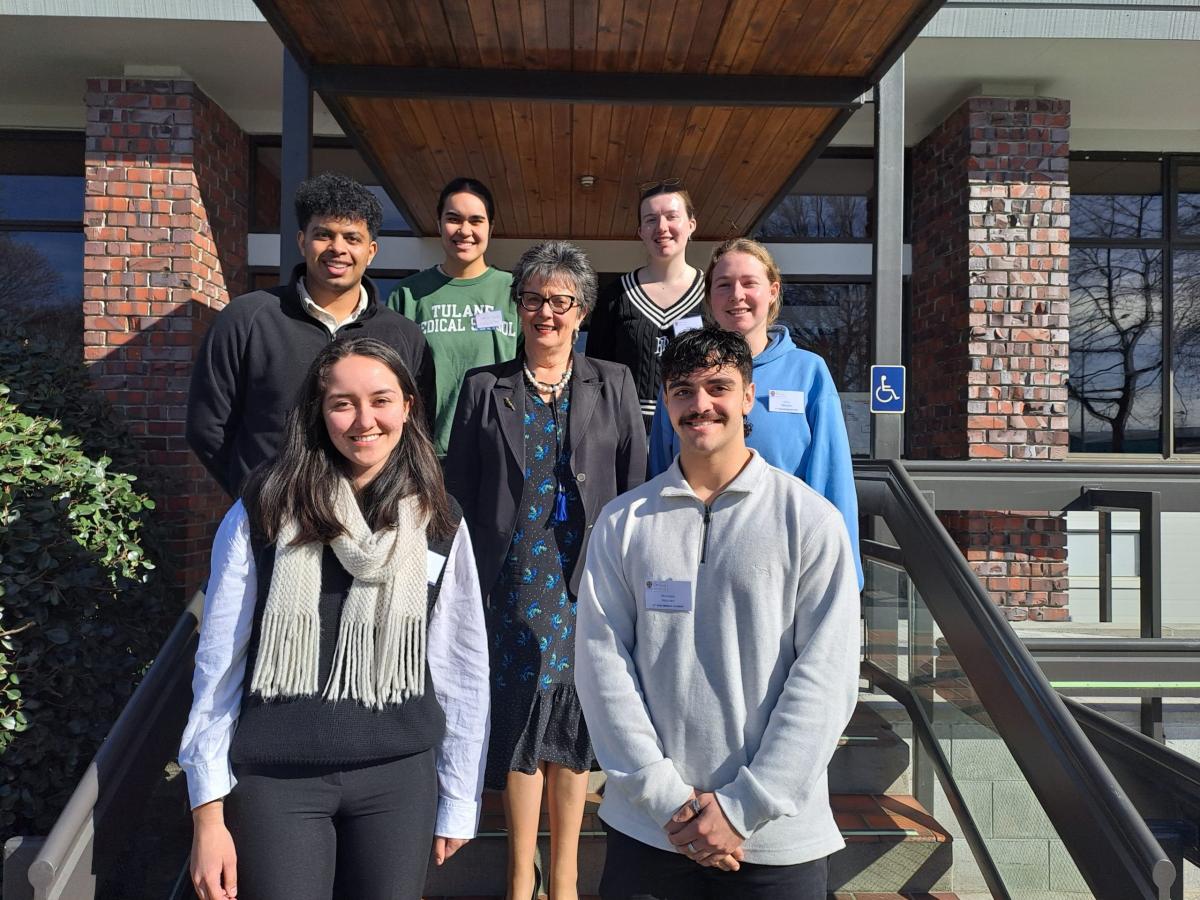
Third year Otago Medical School students have been visiting the district each August for several years.
The initiative has been running for 10 years, with the students visiting medical centres, St John, District Nurses, police, the North Canterbury Rural Support Trust and a local preschool.
‘‘If we can grow our own people that is the best solution,’’ Black said.
Waimakariri Mayor Dan Gordon said he was pleased the Government was addressing workforce shortages.
A new medical centre was being planned in Rangiora to offer urgent and after hours medical care, but it would need more medical professionals, he said.
‘‘I am pleased with the Government’s announcement that funding will be allocated to ensure we are training more doctors and health care professionals here in New Zealand.
‘‘This will help to alleviate doctor shortages particularly in the regions and rural communities.’’
The Kaikōura district faced similar challenges, and its over 65 population was expected to increase to one-third over the next 30 years.
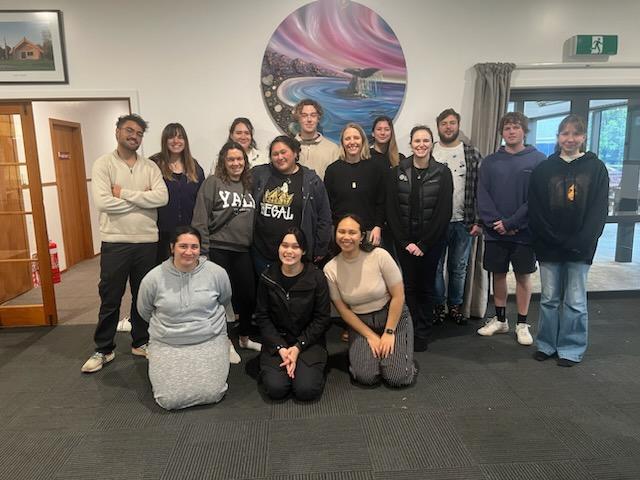
Takahanga Marae has hosted tertiary health students from around Aotearoa in recent years for a three-day Noho Marae visit.
The initiative was a partnership between Te Tai o Marokura, a Maori health and social service provider in Kaikōura, and Hauora Taiwhenua/Rural Health Network’s careers programme.
■ LDR is local body journalism co-funded by RNZ and NZ On Air.

A reminder this hunting season
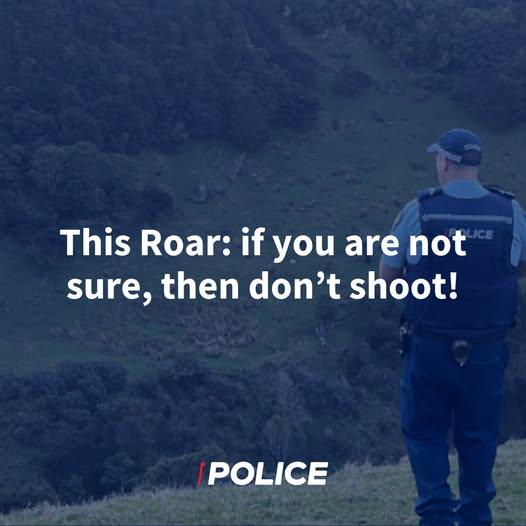
As thousands of hunters are making their plans for autumn – the Roar – recreational firearms groups are urging hunters to always be 100% sure of their targets.
Te Tari Pureke - Firearms Safety Authority NZ, which chairs the Recreational Firearms Users Group, has begun a public information campaign reminding hunters everywhere of Rule #4 of the Firearms Safety Code: to identify their target beyond all doubt.
Director Communities and Corporate, Mike McIlraith, says there is an estimated 50,000-60,000 New Zealanders involved in big game animal hunting each year, and the Roar is the key event for many hunters each year.
“The Roar is a fantastic time of year for hunters to get out into the hills after a trophy animal but hunting safely and making sure everyone gets home in one piece, still must be the most important goal of every trip,” says Mike McIlraith.
“The consequences of not fully identifying your target beyond all doubt can be catastrophic. Our message to hunters is a really simple one: If you are not sure, then don’t shoot.”
Mike McIlraith says while hunting fatalities are thankfully rare, research has shown that misidentification of the target is the largest firearms related risk to New Zealand deer hunters, and 80% of the time this involves members of the same hunting group.
The Authority says hunters should not feel pressured to take a shot: “Instead, hunters should take the time to analyse their target, wait and see if it is a hind or stag, how old is the animal, how many points does its antlers have? Identifying your target means never firing at sound, shape, colour or movement alone.”
Mike McIlraith says good hunters will slow down, and run through some simple mental checks:
- Can I see the whole animal, or could this be another hunter?
- Where are my hunting companions – could this be them or someone else?
- How much of the animal can you see, if it is a hind or stag, how old is the animal, how - many points does its antlers have?
“Taking a little extra time to identify your target and check the firing zone is the key to safer hunting. No meat or no trophy is better than no mate,” he says.

Autumn Sale on Now
We have slashed the prices of 100s of trees, shrubs, flowering plants, hedging and more.
✅$5 Cupressus Stricta 1.5L and Agapanthus 7cm!
✅5 Beech tree's for $100 🏖🏖!!!
✅3.5M tall London Planes ✈ for $27.50
✅ Instant Hedges of Pitto Small ball - Coprosma Lobster $37.50
✅ $11 Lemon Tree's 🍋🍋🍋!
✅ 50% off Azalea Autumn series $17.50
www.cjsplants.co.nz...


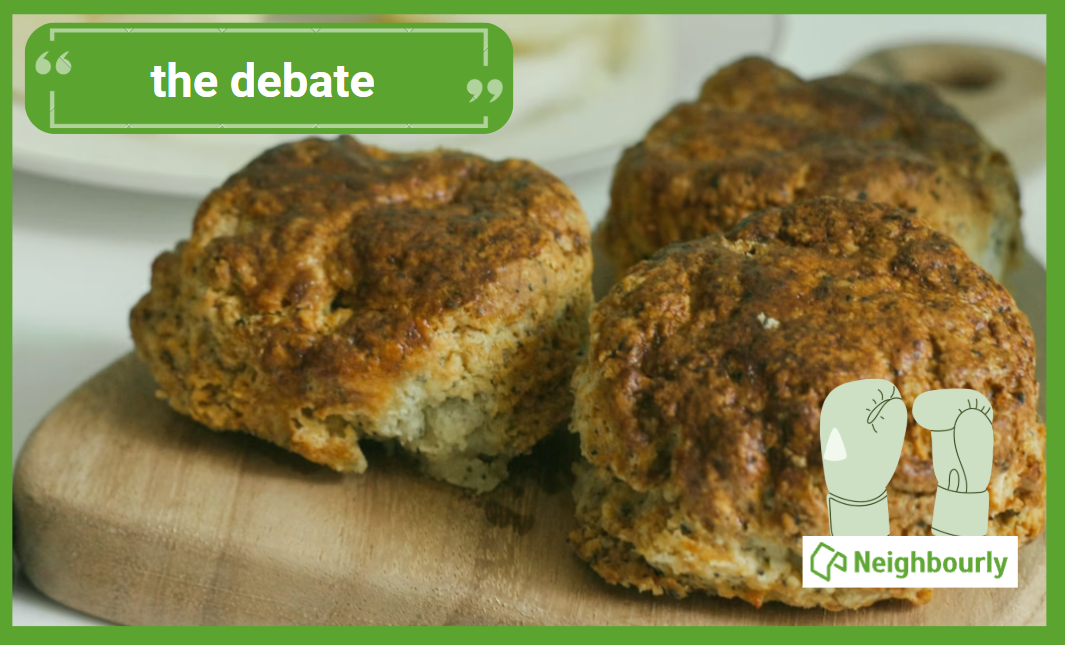
Poll: Does a savoury scone require cheese on top, or folded inside?
Help settle the great kiwi debate ... cheese on top, or folded inside?
-
76.4% Inside!
-
23.6% On top!
 Loading…