




West Coast’s three most polluted waterways
By local democracy reporter Brendon McMahon:
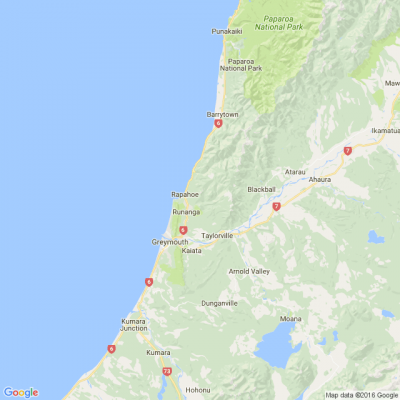
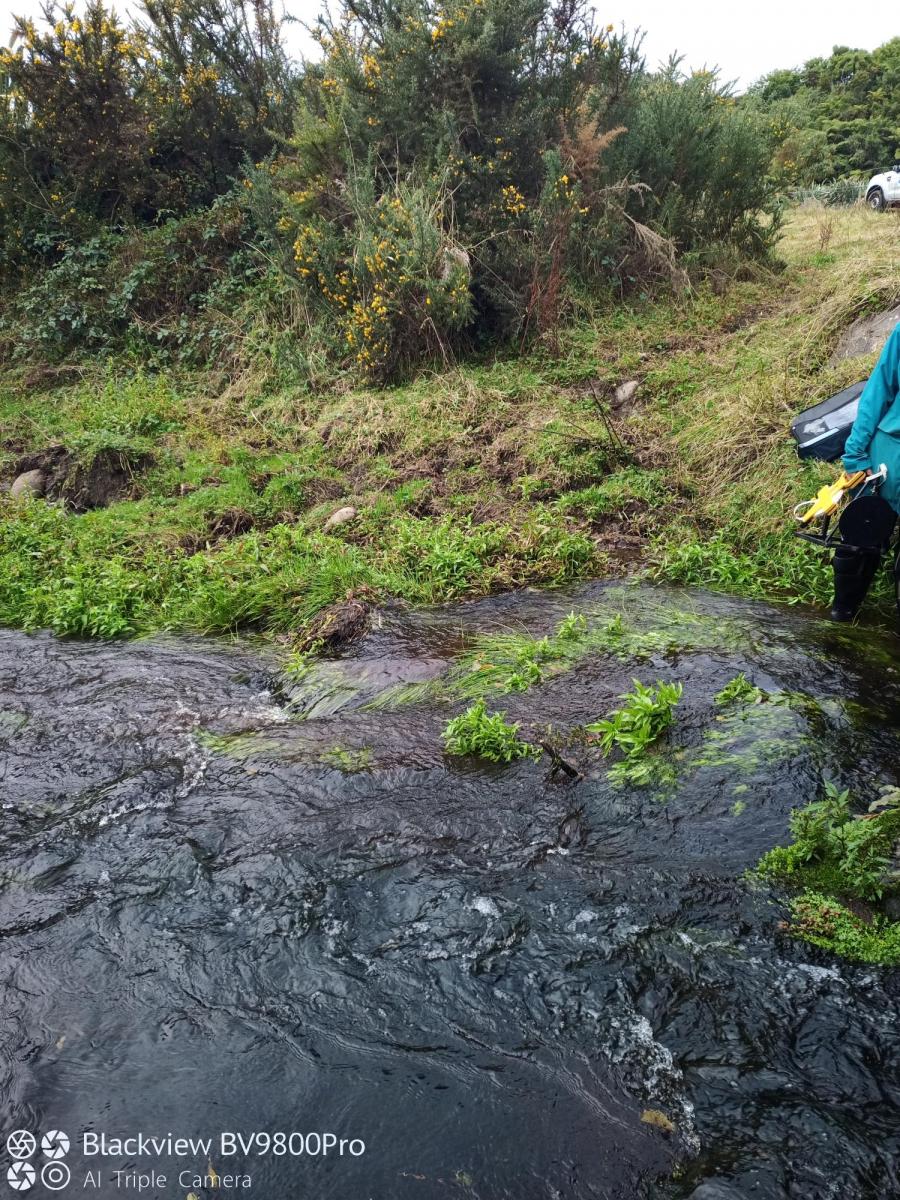
The top three polluted creeks on the West Coast will be targeted in a voluntary new approach to help clean up its waterways.
The West Coast Regional Council, using decades of previous data, plans to work with adjoining landowners in to address polluted waterways via "non regulatory methods".
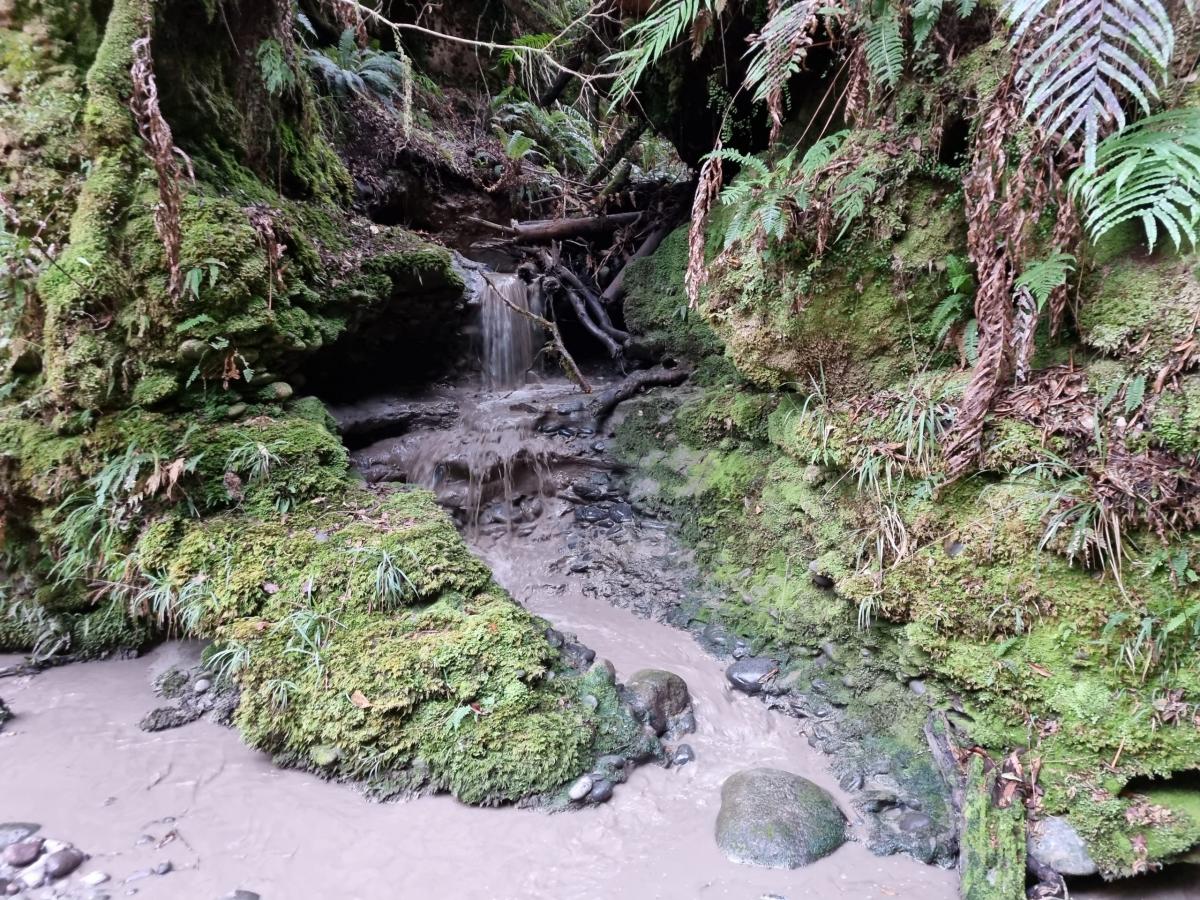
Waimea Creek, which hosts almost a dozen working gold mines, is one of the worst three, with multiple abatements slapped on mine operators following a raft of complaints over many years.
Bradshaws Creek near Westport and Baker Creek near Karamea are the other two on the list, with farming believed to be contributing to poor water quality.
Council's resource management committee agreed on May 7 to press "pause" on its Freshwater Farm Plan measures as it awaits a Government review of the system.
The regional council then endorsed promoting a voluntary approach via the catchment management programme.
Acting planning manager Selva Selvarajah said the proposed approach in working with adjoining landowners was "almost brand new" for the region.
Until now catchment issues had been dealt with by council on a case-by-case basis, he said.
"Non regulatory methods" via catchment management programmes can be effective, based on wider experience.
The pause now on the Freshwater Farm approach gave scope for council's own catchment programme, he said.
Key stakeholders Poutini Ngāi Tahu, the farming sector and the region's dairy company were on board with the new voluntary approach.
Decades of catchment data held by council was used to identify the most problematic areas to make a start, Selvarajah said.
Programme co-ordinator Koeen Beets said their data base on E Coli, phosphorus, clarity, and macroinvertebrates helped them identify "the poorest" catchments.
Waimea Creek, Bradshaws Creek and Baker Creek were "the worst case scenarios".
Waimea had "a very poor" clarity score linked to activity in the catchment. Yet to be harvested plantation forestry, mining and farming were believed to be factors.
Beets said mixed farming dominated Bradshaws Creek, and he presented a picture of stock pugging on that creek's bank as an example.
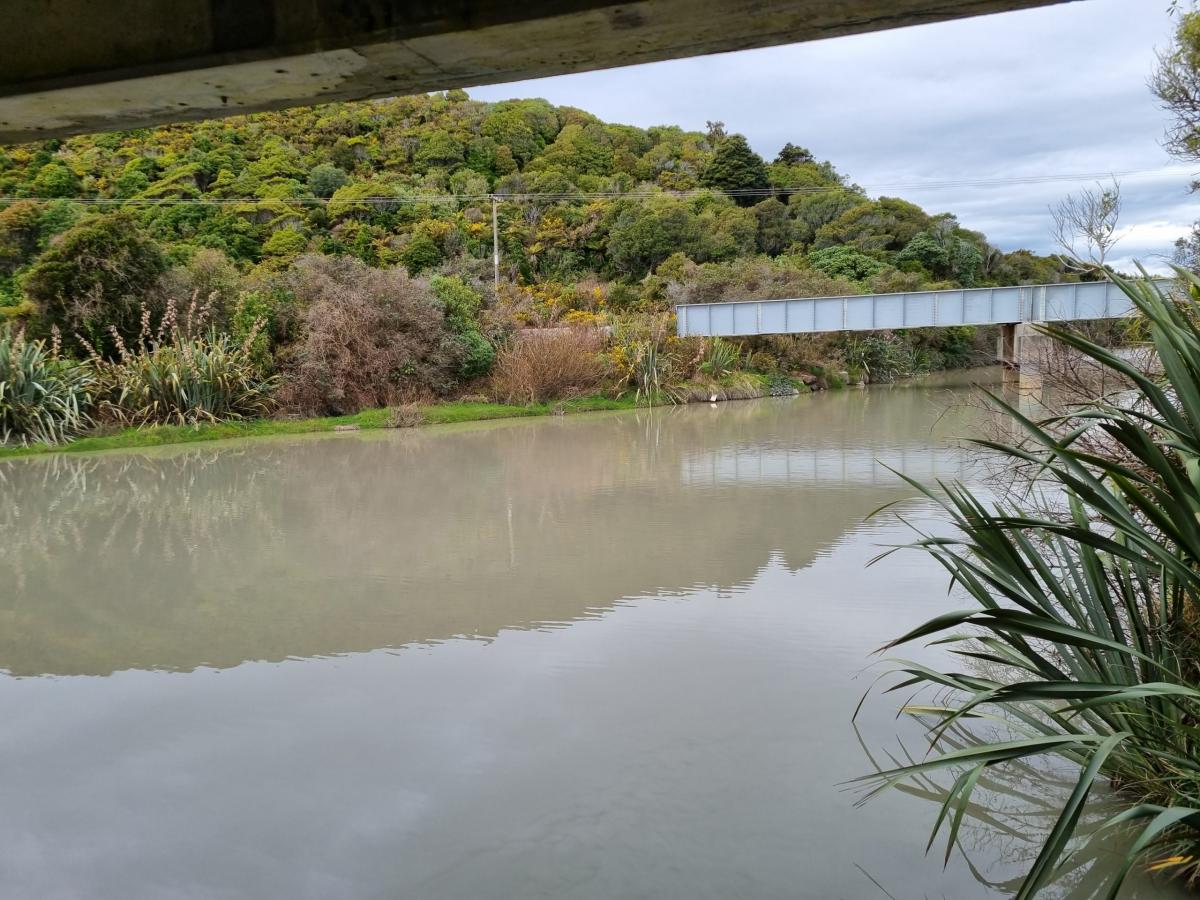
That creek fed into the same estuary as Martins Creek, above the popular swimming spot on Marrs Beach opposite the town of Westport.
That beach has been on council's radar for years for its poor swimming water quality.
Beets said that catchment would require a broad approach to understand the complex factors at play.
Council environmental scientist Jonny Horrox said Martins Creek would not be ignored following a previous community-group approach.
There was less farming in that catchment compared to Bradshaws, he said.
Beets said the E .coli levels for the dairy-dominated Baker Creek at Karamea was very poor.
He said it was on a score where if a swimmer dipped into it 100 times, they would become sick from seven of those swims, he said.
Consultant Nicola McGrouther, an expert in catchment management, said the aim was to support adjoining landowners to voluntarily make changes to improve water quality.
"They need to be farmer-led and community-led," she said.
Each catchment programme would be unique with an underlying standard approach similar to that used by the NZ Landcare Trust community catchment model.
"We work with those communities to understand what the issues are."
Councillor Frank Dooley, who queried a possible link between Westport's wastewater treatment site and the headwaters of Bradshaws Creek, said he wanted to see an action plan on how the groups would be formed.
Council chief executive Darryl Lew said council already had external funding to employ Beets as the direct contact, and two further interns.
Lew believed council could direct adequate resources to support three catchment groups meantime with the existing funding until June 2025, with the council's proposed long-term plan incorporating it from there.

Don't overthink this riddle...
I have a silver sole
but no feet,
I make my living by bringing the heat.
What am I?
Do you think you know the answer? Simply 'Like' this post if you know the answer and the big reveal will be posted in the comments at 2pm on the day!
Want to stop seeing these in your newsfeed?
Head here and hover on the Following button on the top right of the page (and it will show Unfollow) and then click it. If it is giving you the option to Follow, then you've successfully unfollowed the Riddles page.


Poll: Does a savoury scone require cheese on top, or folded inside?
Help settle the great kiwi debate ... cheese on top, or folded inside?

-
76.4% Inside!
-
23.6% On top!
Got more greens than you know what to do with? 🥦🌱🥕
Whether it’s a courgette takeover or a feijoa frenzy, don’t let those garden gems go to waste!
Our suggestion to you: Did you know you can grate and freeze excess courgettes to use in chocolate cake later? It sounds a bit dodgy, but it makes the cake incredibly moist ... and hey, it counts as a serving of veg, right? 🍫
What’s your go-to move for a bumper harvest? Drop your best "glut" recipes or preservation hacks in the comments below! 👇

 Loading…