




Importance of New Zealand’s largest mining region underscored
By local democracy reporter Brendon McMahon:
The high profile West Coast mining sector can no longer be just characterised as coal and gold but as a linchpin to the region's economy and vital services.
That's the view of Te Tai o Poutini Plan principle planner Loise Easton who offered her opening statement on day one of the formal hearings into the proposed ‘one district plan’.
The all-encompassing plan will eventually replace the current three district plans that operate across the West Coast.
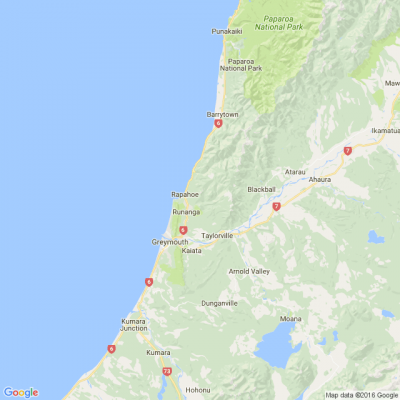
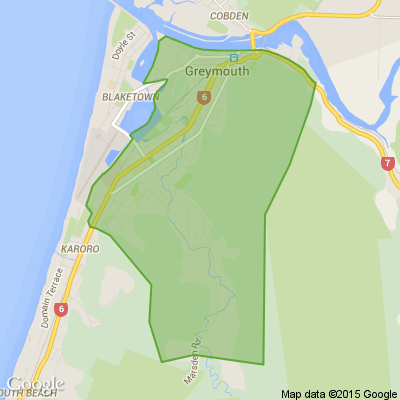
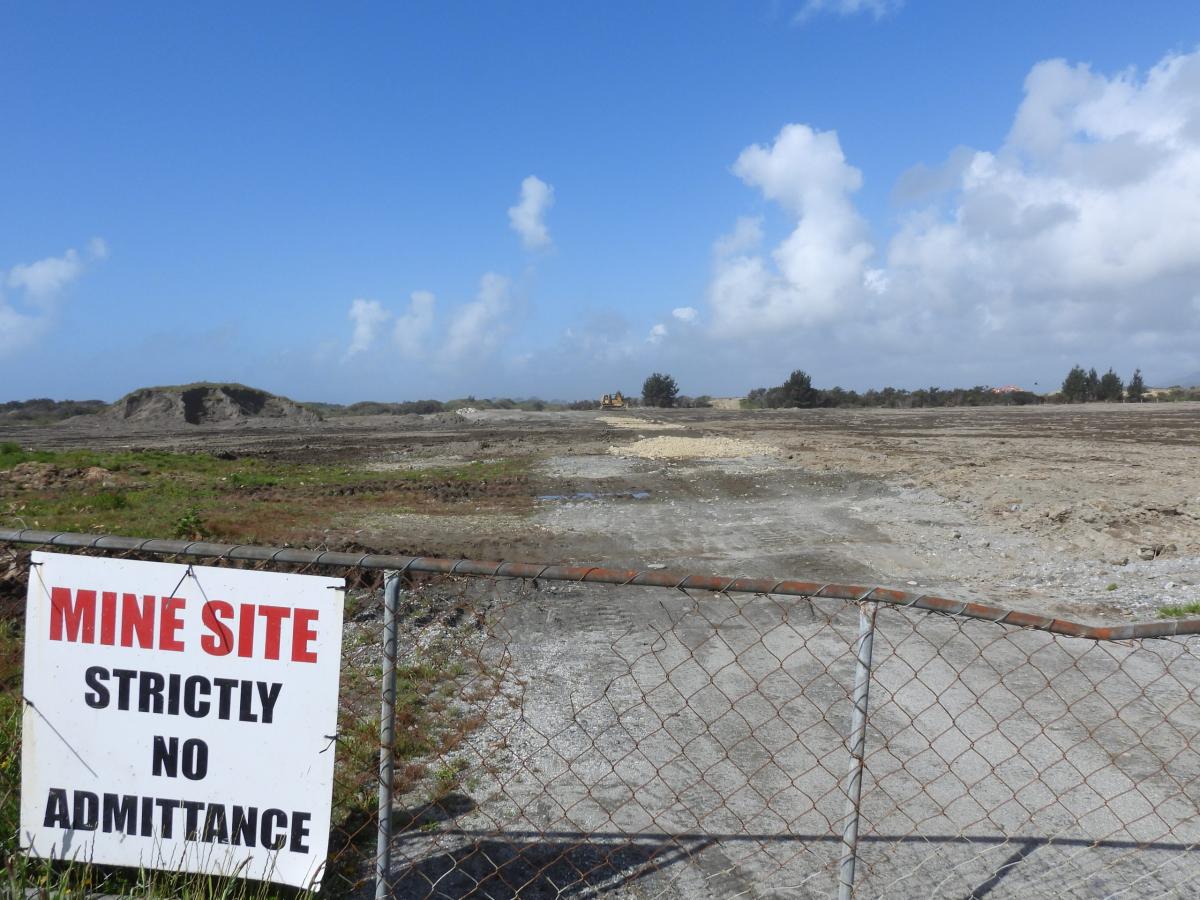
She noted the region had the largest coal mine in New Zealand, at Stockton – with an historic footprint bigger in area than the city of Christchurch.
At the same time “a plethora” of other resources in the ground such as rare earth minerals were coming into prominence thanks to international demand for high tech components for the likes of electric cars and solar panels.
“Often it’s a case of many of those things people haven’t paid much attention to in the past, but now are part of the potential economic future of the West Coast.”
Easton told hearing commissioner Paul Roger that while employment numbers at Stockton were lower than historically, the region was largely dominated by many small mines employing from two to three people.
Easton said even though the domestic coal market was being pared back the necessity for high quality thermal coal exported from the region for steel manufacture "can't be replaced" yet.
At the same time gold mining in the region remained significant.
The mainly alluvial gold sector was not in decline as evidenced in the Reefton area with significant investigation of new permits underway.
“Mineral extraction is what the West Coast has been built on. With the decline in coal, it does not mean the end of mining on the West Coast,” said Easton.
A big question for the TTPP planners had been what happened when current mine licences expired, and this had partly driven the designation of a Minerals Zone within the proposed plan, she said.
Currently much of the region was subject to Crown Mineral Licence system, with the likes of Stockton still operating under that system after decades rather than through the newer RMA regime.
However while Stockton's licence was due to expire in 2028, the footprint was huge with significant parts of the Stockton Plateau subject to extensive and ongoing rehabilitation, including over areas that had historic acid mine problems dating from 19th century mining.
“All of these are in the wider Stockton area, operating under the mining licence system.
“While stuff may not be coming out of the ground, rehabilitation is going on.”
This had seen “huge impact” in the improved health of some Buller waterways by dealing with a legacy of leaching from aggregates exposed through mining back to the 19th century.
Easton said while mining drove a "huge strategic direction" the other reality was the region also had five national parks within its boundary, with 84% of the land area under Crown agency control.
Alongside that much of the private land in the region - to be subject to the SNA process - had significant biodiversity along a long and significant coastline.
As such, the recently promulgated West Coast Policy Statement "does set a very strong direction for the natural environment."

A reminder this hunting season
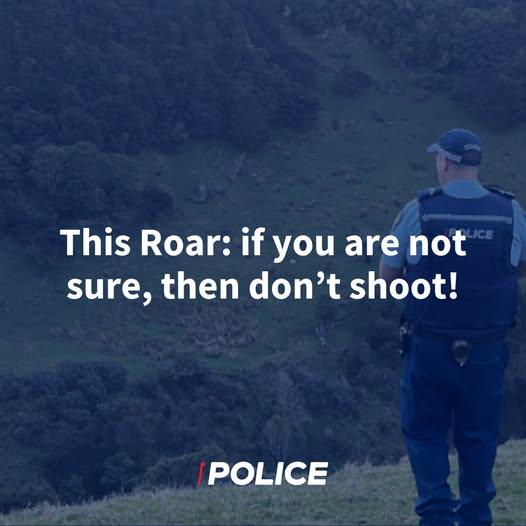
As thousands of hunters are making their plans for autumn – the Roar – recreational firearms groups are urging hunters to always be 100% sure of their targets.
Te Tari Pureke - Firearms Safety Authority NZ, which chairs the Recreational Firearms Users Group, has begun a public information campaign reminding hunters everywhere of Rule #4 of the Firearms Safety Code: to identify their target beyond all doubt.
Director Communities and Corporate, Mike McIlraith, says there is an estimated 50,000-60,000 New Zealanders involved in big game animal hunting each year, and the Roar is the key event for many hunters each year.
“The Roar is a fantastic time of year for hunters to get out into the hills after a trophy animal but hunting safely and making sure everyone gets home in one piece, still must be the most important goal of every trip,” says Mike McIlraith.
“The consequences of not fully identifying your target beyond all doubt can be catastrophic. Our message to hunters is a really simple one: If you are not sure, then don’t shoot.”
Mike McIlraith says while hunting fatalities are thankfully rare, research has shown that misidentification of the target is the largest firearms related risk to New Zealand deer hunters, and 80% of the time this involves members of the same hunting group.
The Authority says hunters should not feel pressured to take a shot: “Instead, hunters should take the time to analyse their target, wait and see if it is a hind or stag, how old is the animal, how many points does its antlers have? Identifying your target means never firing at sound, shape, colour or movement alone.”
Mike McIlraith says good hunters will slow down, and run through some simple mental checks:
- Can I see the whole animal, or could this be another hunter?
- Where are my hunting companions – could this be them or someone else?
- How much of the animal can you see, if it is a hind or stag, how old is the animal, how - many points does its antlers have?
“Taking a little extra time to identify your target and check the firing zone is the key to safer hunting. No meat or no trophy is better than no mate,” he says.

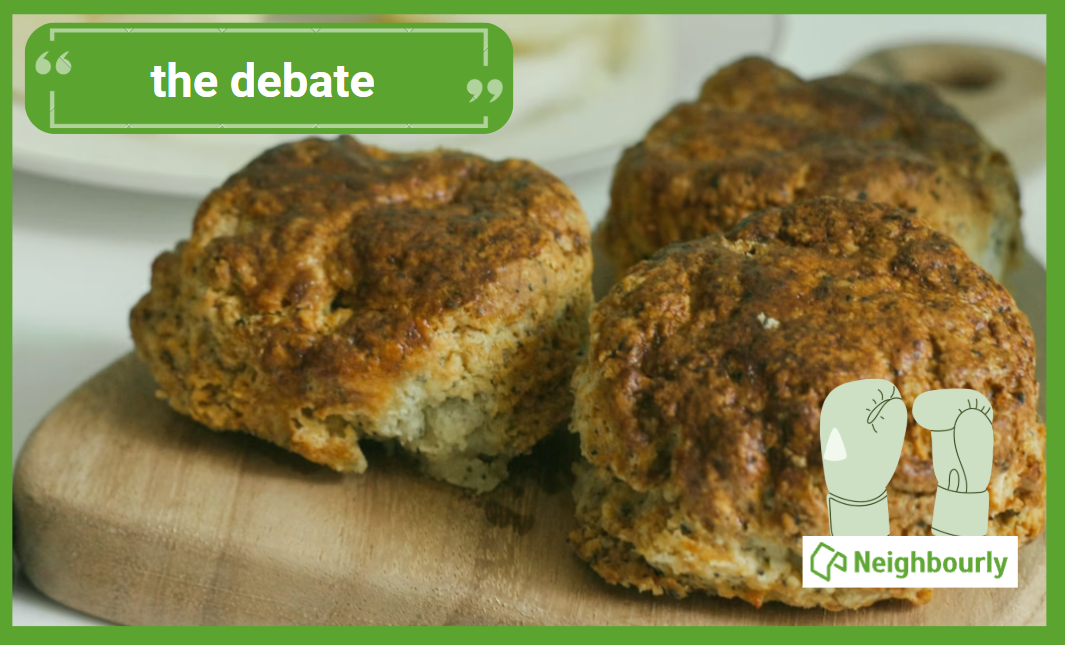
Poll: Does a savoury scone require cheese on top, or folded inside?
Help settle the great kiwi debate ... cheese on top, or folded inside?
-
76.4% Inside!
-
23.6% On top!

Don't overthink this riddle...
I have a silver sole
but no feet,
I make my living by bringing the heat.
What am I?
Do you think you know the answer? Simply 'Like' this post if you know the answer and the big reveal will be posted in the comments at 2pm on the day!
Want to stop seeing these in your newsfeed?
Head here and hover on the Following button on the top right of the page (and it will show Unfollow) and then click it. If it is giving you the option to Follow, then you've successfully unfollowed the Riddles page.

 Loading…