




West Coast Council ‘orphan asset’ list to be identified
From local democracy reporter Brendon McMahon:
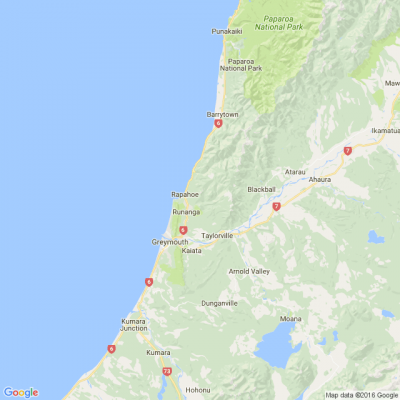
The West Coast Regional Council is still grappling with how to identify 'orphan assets'.
Many of the assets refer to bridge protection work or stopbanks built by different administrations, including the former Westland Catchment Board before the regional council was formed in 1989, or historically by other authorities including the former roads boards.
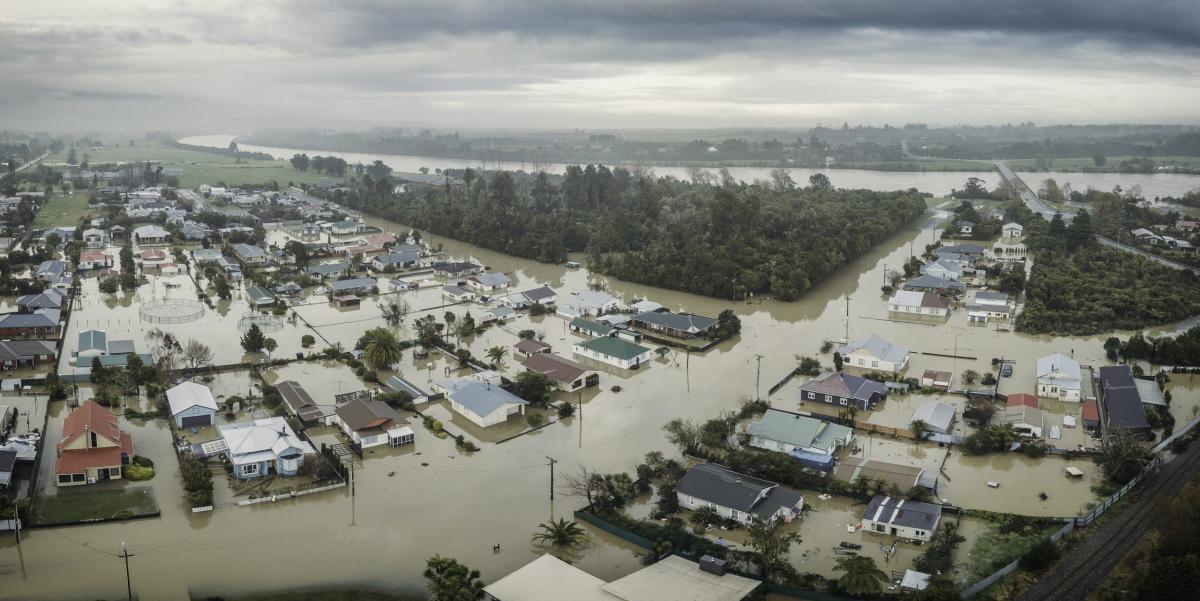
The Westport floods of 2021 brought the issue to the surface, especially with the ownership of historic river training works at Organs Island on the Buller River, upstream of Westport township.
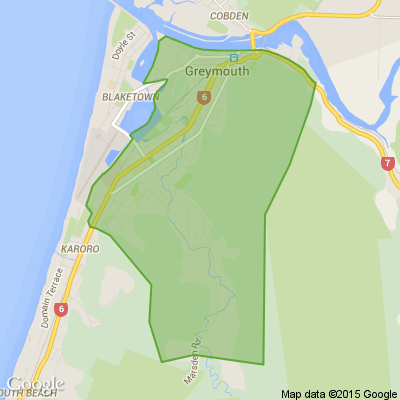
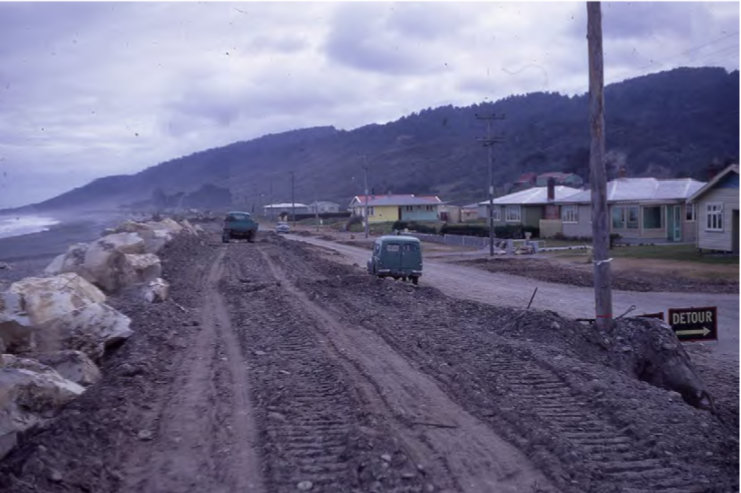
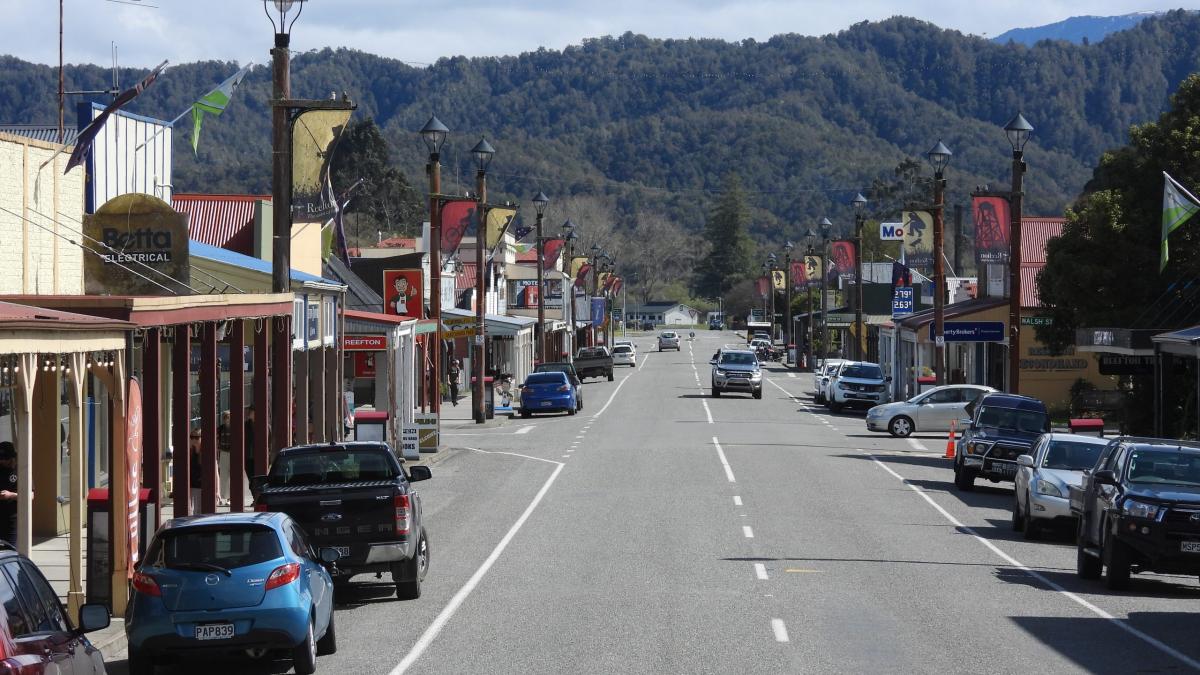
In Cobden, the seawall built along Domett Esplanade in 1969 is still a matter of contention, while record floods at Reefton last winter also highlighted the problem of 'orphan assets'.
In August, former councillor Laura Coll told the Risk and Assurance Committee meeting that clarifying the ownership and assessing the state of the protection banks on the true right bank of the Inangahua River at Reefton was urgent after flooding last year.
Significant flooding at Reefton about 40 years ago had prompted the existing protection work but there was a local assumption the council was responsible for maintaining the stopbanks, despite there being no local rating district.
Coll-McLaughlin urged the council to begin to identify all the 'orphan assets' around the region, as it risked credibility issues if it had no plan or had not taken any steps to clarify ownership.
Acting corporate services manager Marc Ferguson told the Risk and Assurance Committee this week there was as yet uncertainty about the status of a list of those assets.
It had apparently been compiled internally by a former staff member, who left the council in November.
Committee chairperson Cr Frank Dooley said it was a "black hole" as was seen with Organ's Island.
"It's up to us as the responsible organisation within our region for flood protection to get it sorted," he said.
The question was, had the list been prepared?
Cr Brett Cummings suggested it might be up to councillors themselves to use their historic knowledge to come up with a list. The ownership of some
assets had been disputed, which was the reason he brought it up, with numerous examples in the region.
For example, near the Punakaiki River mouth a rockwall protecting State Highway 6 had been built in the past, and it had been having a knock-on erosion effect on the nearby shoreline, but the NZ Transport Agency "don't want anything to do with it".
Cummings said there were probably a lot of people who assumed some assets were the regional council's where in fact they were not.
*Public interest journalism funded through NZ On Air

Don't overthink this riddle...
I have a silver sole
but no feet,
I make my living by bringing the heat.
What am I?
Do you think you know the answer? Simply 'Like' this post if you know the answer and the big reveal will be posted in the comments at 2pm on the day!
Want to stop seeing these in your newsfeed?
Head here and hover on the Following button on the top right of the page (and it will show Unfollow) and then click it. If it is giving you the option to Follow, then you've successfully unfollowed the Riddles page.


Poll: Does a savoury scone require cheese on top, or folded inside?
Help settle the great kiwi debate ... cheese on top, or folded inside?
-
76.5% Inside!
-
23.5% On top!

A reminder this hunting season
As thousands of hunters are making their plans for autumn – the Roar – recreational firearms groups are urging hunters to always be 100% sure of their targets.
Te Tari Pureke - Firearms Safety Authority NZ, which chairs the Recreational Firearms Users Group, has begun a public information campaign reminding hunters everywhere of Rule #4 of the Firearms Safety Code: to identify their target beyond all doubt.
Director Communities and Corporate, Mike McIlraith, says there is an estimated 50,000-60,000 New Zealanders involved in big game animal hunting each year, and the Roar is the key event for many hunters each year.
“The Roar is a fantastic time of year for hunters to get out into the hills after a trophy animal but hunting safely and making sure everyone gets home in one piece, still must be the most important goal of every trip,” says Mike McIlraith.
“The consequences of not fully identifying your target beyond all doubt can be catastrophic. Our message to hunters is a really simple one: If you are not sure, then don’t shoot.”
Mike McIlraith says while hunting fatalities are thankfully rare, research has shown that misidentification of the target is the largest firearms related risk to New Zealand deer hunters, and 80% of the time this involves members of the same hunting group.
The Authority says hunters should not feel pressured to take a shot: “Instead, hunters should take the time to analyse their target, wait and see if it is a hind or stag, how old is the animal, how many points does its antlers have? Identifying your target means never firing at sound, shape, colour or movement alone.”
Mike McIlraith says good hunters will slow down, and run through some simple mental checks:
- Can I see the whole animal, or could this be another hunter?
- Where are my hunting companions – could this be them or someone else?
- How much of the animal can you see, if it is a hind or stag, how old is the animal, how - many points does its antlers have?
“Taking a little extra time to identify your target and check the firing zone is the key to safer hunting. No meat or no trophy is better than no mate,” he says.
 Loading…