




Council spending on 1080 bait factory exposed
By local democracy reporter Brendon McMahon:
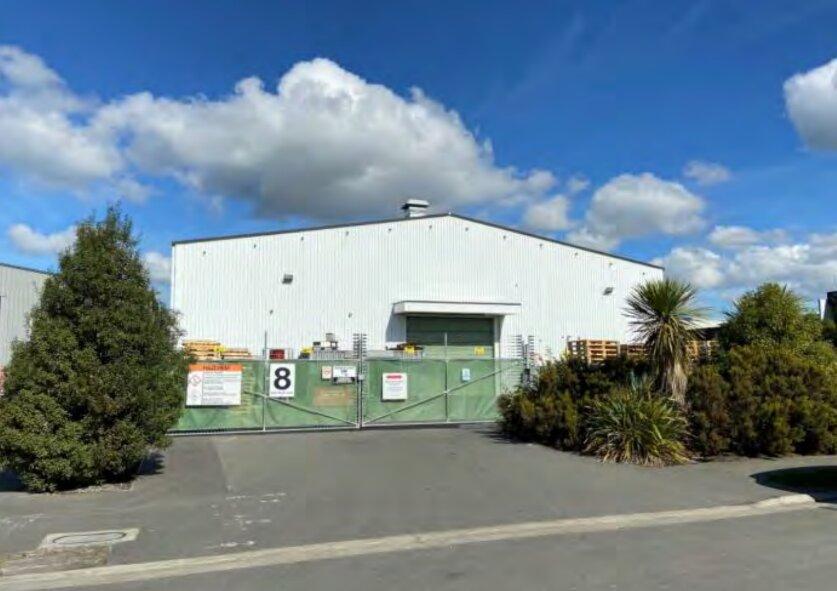
The West Coast Regional Council has spent over $370,000 on "specialised improvements" to a 1080 factory building it owns in Rolleston, on the edge of Christchurch.
The council kept secret its $1.9 million investment in the Pest Control Research (PCR) Ltd factory, manufacturing 1080 poison baits, until it was exposed by the Greymouth Star in 2015. The investment sparked widespread controversy on the West Coast.
At the end of 2020 the council quit its shareholding in PCR, but retained ownership of the factory site, which it still leases to PCR.
A new valuation report for the council shows it advanced $374,783 for specialised improvements requested by PCR at the start of the current five-year lease in 2019. The lease ends in January 2025.
Towards the end of the last council triennium councillor Peter Ewen questioned if the council had actually seen any evidence of the improvements at the site, after the council put up the money.
That prompted chief executive Heather Mabin to commission an assessment from Colliers.
Ewen said on Wednesday he was reading the resulting report with interest.
The Colliers assessment is to be presented to the council’s Risk and Assurance Committee meeting on Friday.
PCR is located in the Izone Southern Business Hub, which also houses Westland Milk Products.
The council bought the bare section over a decade ago before starting development in 2014.
News broke in 2015 that the Selwyn District Council had granted resource consent for the site to be used to manufacture 1080 baits, sparking concern in Rolleston and controversy over the regional council's involvement.
The new valuation report details an office and warehouse building with an outdoor loading and parking area, costing $2.13m.
"Specialised improvements were completed to the building in 2019 at a cost of $374,783 which was funded by the landlord," the executive summary says.
PCR currently pays $110,610 a year, with a small increase recommended based on comparative current rentals in the area.
The regional council put $1.9 million into the venture in 2013, paying $1.3 million for the property and building, and $490,000 for a 49% shareholding.
The council kept the investment quiet for about a year, and when it was uncovered by the Greymouth Star it sparked a petition and angry protests by anti-1080 demonstrators.
*Public interest journalism funded through NZ On Air

Poll: Should we ditch daylight saving? 🕰️
First introduced in New Zealand in 1927 with the passing of the Summer Time Act, it's what we know as 'Daylight Saving' and this year it ends on the first Sunday in April.
While we do get to sleep in this time around, some people would like to scrap the clock tinkering for good.
And why? Some evidence suggests the time changes are bad for our health as they mess with sleep patterns leading to short-term fatigue and affecting mood. Meanwhile the hour change is frustrating for farmers and a nightmare for getting the littlies to sleep. But what's your take?

-
36.1% Yes - get rid of the clock changes
-
63.2% No, I enjoy it
-
0.6% Other - I'll share below
Poll: Does a savoury scone require cheese on top, or folded inside?
Help settle the great kiwi debate ... cheese on top, or folded inside?

-
76.3% Inside!
-
23.7% On top!

Don't overthink this riddle...
I have a silver sole
but no feet,
I make my living by bringing the heat.
What am I?
Do you think you know the answer? Simply 'Like' this post if you know the answer and the big reveal will be posted in the comments at 2pm on the day!
Want to stop seeing these in your newsfeed?
Head here and hover on the Following button on the top right of the page (and it will show Unfollow) and then click it. If it is giving you the option to Follow, then you've successfully unfollowed the Riddles page.

 Loading…