






Ghost Fishing
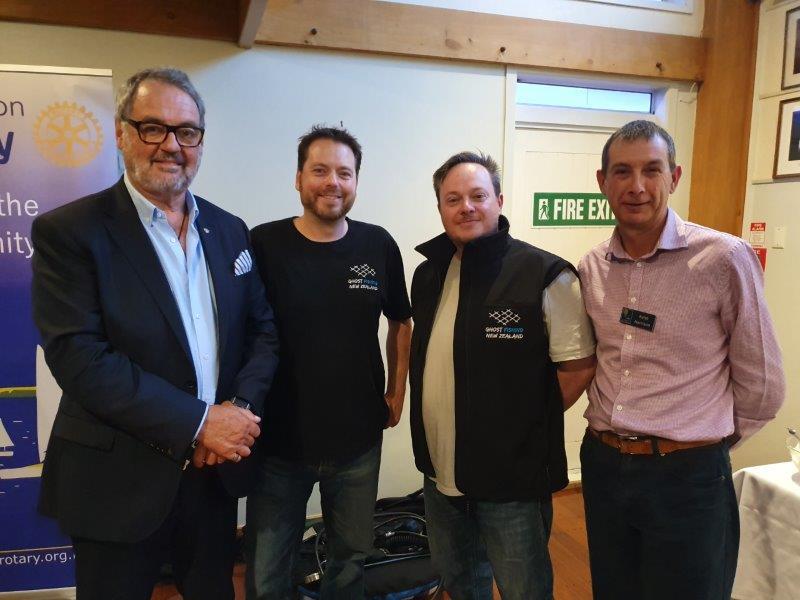
Last evening’s talk was both depressing and inspirational. Rob Wilson, president of Ghost Fishing NZ, (seen on the right next to Rob Wilson) described the activities of this entirely voluntary organisation, which tries to clean up the seabed.
Originally the focus was on lost or discarded fishing gear - nets, longlines, fish traps and the like. These things, now made mainly of synthetic and rot-proof materials, can continue to catch and kill fish and other marine life for years- hence the name ghost fishing.
Ghost Fishing is part of an international network which removes this harmful stuff and disposes of it. Volunteer scuba divers and free-divers do the work, usually on ‘clean-up days’ assisted by others onshore.
Wellington Harbour is also a dumping ground for other kinds of harmful rubbish, in incredible variety. Supermarket trolleys, scooters, traffic cones, bottles and so on litter the seabed. They affect the sediment and starve it of oxygen, harming fish stocks.
Sometimes, however, it is better to leave rubbish in place rather than disturb the habitat any further. The divers have developed criteria for making these decisions.
Ghost Fishing enjoys strong recognition and support from the community: it was judged ‘Wellingtonian of the Year’ in 2017. Sadly, despite their efforts to educate people out of using the sea as a rubbish dump, it seems their work will go on forever.


Poll: Should the government levy industries that contribute to financial hardship?
As reported in the Post, there’s a $30 million funding gap in financial mentoring. This has led to services closing and mentors stepping in unpaid just to keep helping people in need 🪙💰🪙
One proposed solution? Small levies on industries that profit from financial hardship — like banks, casinos, and similar companies.
So we want to hear what you think:
Should the government ask these industries to contribute?

-
59% Yes, supporting people is important!
-
26% No, individuals should take responsibility
-
15% ... It is complicated

Have you got New Zealand's best shed? Show us and win!
Once again, Resene and NZ Gardener are on the hunt for New Zealand’s best shed! Send in the photos and the stories behind your man caves, she sheds, clever upcycled spaces, potty potting sheds and colourful chicken coops. The Resene Shed of the Year 2026 winner receives $1000 Resene ColorShop voucher, a $908 large Vegepod Starter Pack and a one-year subscription to NZ Gardener. To enter, tell us in writing (no more than 500 words) why your garden shed is New Zealand’s best, and send up to five high-quality photos by email to mailbox@nzgardener.co.nz. Entries close February 23, 2026.

February's Weather to Mid-month
The dry, sunny weather of recent months continues, but with an increase in temperatures.
Over the last couple of months summer's temperatures in Kāpiti had been up to a degree cooler than average, but recent weeks has seen a daily average of 23.3℃, normal for February. Thursday's (Feb. 12) 27.2℃ was the highest of the summer to-date
The longtime average rainfall for the month is around 60mm and we have had about half that, but this is insufficient to maintain soil moisture, so if the unsettled weather predicted for the next few days delivered 30-40mm it would be good.
The SW winds, with a 'watch' from Sunday evening (Feb 15), were already fairly strong by mid morning.
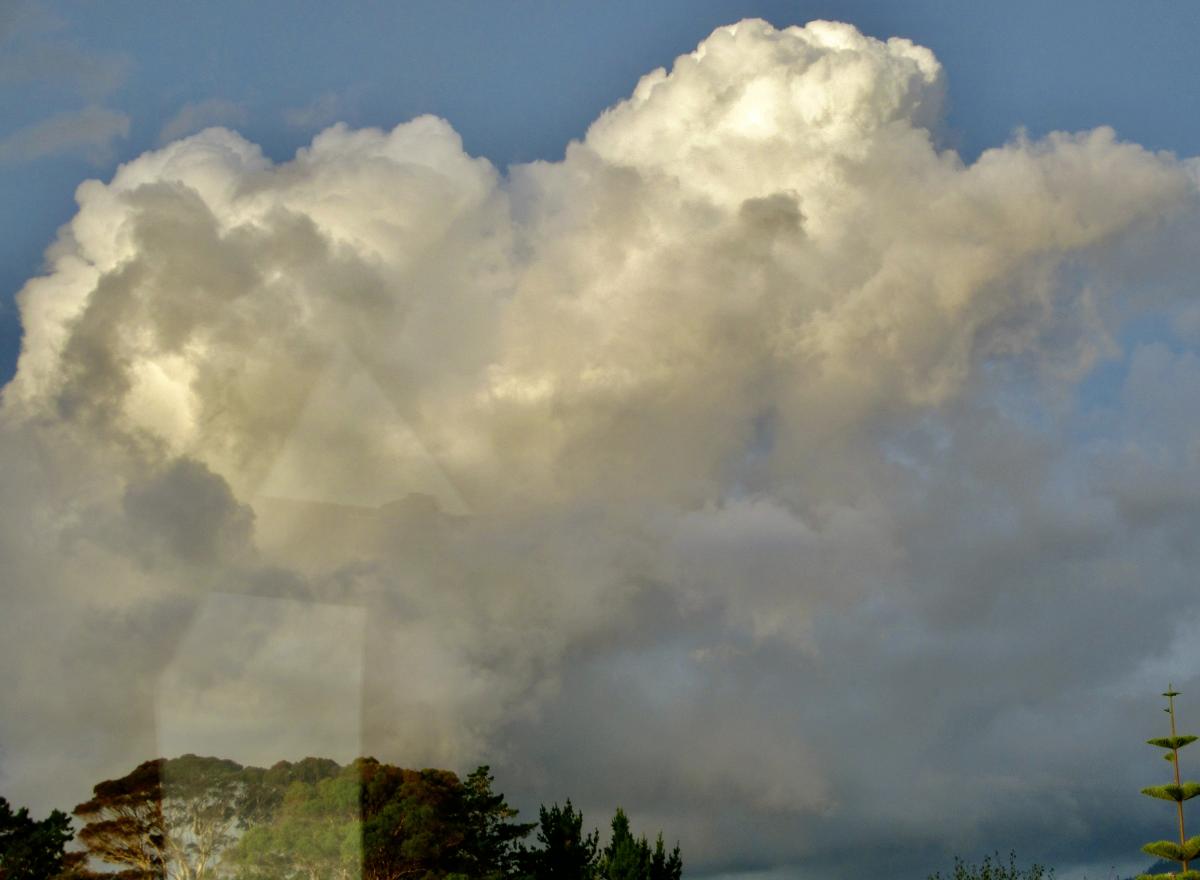
Photo: Saturday evening, the calm before the storm.
 Loading…