






The City Rail Link will soon have the pleasure of welcoming 10,000 of its nearest and dearest through the newly built tunnels underneath lower Queen Street.
Held on Sunday the 17th of November, the public walk-through will start at Britomart before heading over to lower Albert Street and back - a return journey of 600 metres underground. “This will be a rare opportunity for people to enjoy a brief snapshot of New Zealand’s largest-ever infrastructure project being built right under the city - we have a lot to celebrate,” says CRL’s Chief Executive, Dr Sean Sweeney.
“It’s a great chance for us to say, ‘thank you’ to people for the support they are giving the project, and for us to show off some of the outstanding engineering behind a project that will re-shape the way Aucklanders travel.” Space in the tunnels is confined, as such there will be no access for bikes, prams, pushchairs, scooters and skateboards.
Fact file:
=======
**Numbers will be restricted to 10,000
**There will be 10 entry sessions during the day. To keep people safe underground, each session will be restricted to 1000 people
**Tickets will be free and restricted to six per person
**Walking the tunnels will run from 8am until the last entry at 5pm
**When tickets become available, people will need to nominate the time of their visit
**The tunnels are not suitable for people who have a fear of being in a confined space, and there are low levels of lighting underground
**People are encouraged to wear sensible, flat shoes
**Entry and exit from the tunnels will be through the Britomart station
===================================
Tickets will be available through iTicket from Wednesday, 6 November
====================================
Remember this is a sneak peek into a live construction environment and the tunnels are still being built - as such, people should be prepared for dust, loud noises and uneven surfaces. Asthmatics should bring inhalers.
==========================================================

Even Australians get it - so why not Kiwis???
“Ten years ago, if a heatwave as intense as last week’s record-breaker had hit the east coast, Australia’s power supply may well have buckled. But this time, the system largely operated as we needed, despite some outages.
On Australia’s main grid last quarter, renewables and energy storage contributed more than 50% of supplied electricity for the first time, while wholesale power prices were more than 40% lower than a year earlier.
[…] shifting demand from gas and coal for power and petrol for cars is likely to deliver significantly lower energy bills for households.
Last quarter, wind generation was up almost 30%, grid solar 15% and grid-scale batteries almost tripled their output. Gas generation fell 27% to its lowest level for a quarter century, while coal fell 4.6% to its lowest quarterly level ever.
Gas has long been the most expensive way to produce power. Gas peaking plants tend to fire up only when supply struggles to meet demand and power prices soar. Less demand for gas has flowed through to lower wholesale prices.”
Full article: www.theguardian.com...
If even Australians see the benefit of solar - then why is NZ actively boycotting solar uptake? The increased line rental for electricity was done to make solar less competitive and prevent cost per kWh to rise even more than it did - and electricity costs are expected to rise even more. Especially as National favours gas - which is the most expensive form of generating electricity. Which in turn will accelerate Climate Change, as if New Zealand didn’t have enough problems with droughts, floods, slips, etc. already.

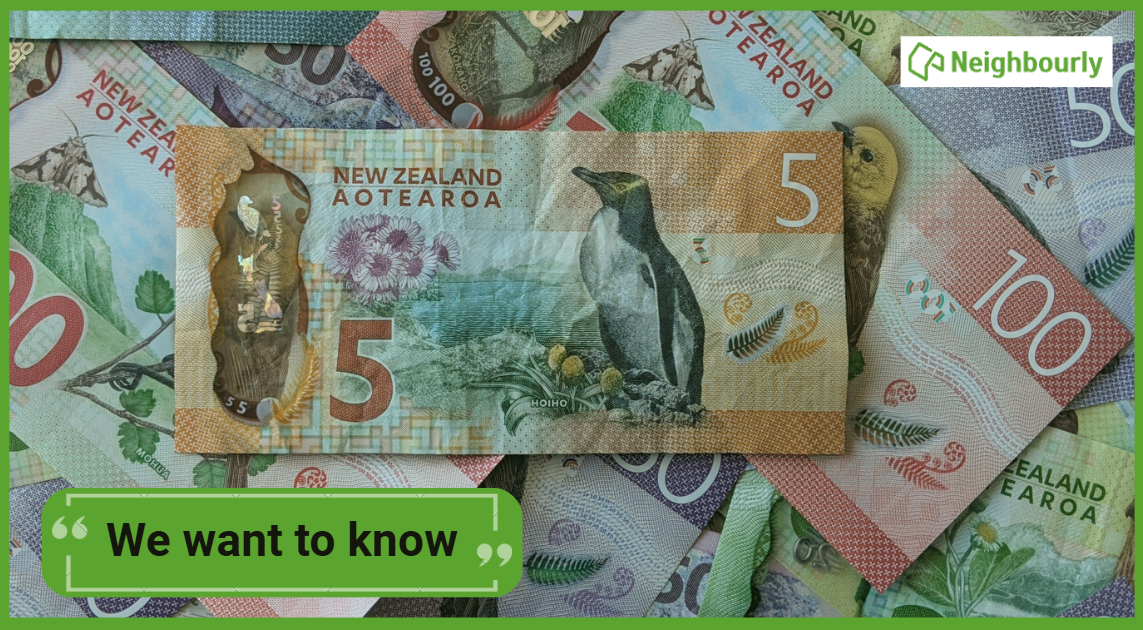
Poll: Should the government levy industries that contribute to financial hardship?
As reported in the Post, there’s a $30 million funding gap in financial mentoring. This has led to services closing and mentors stepping in unpaid just to keep helping people in need 🪙💰🪙
One proposed solution? Small levies on industries that profit from financial hardship — like banks, casinos, and similar companies.
So we want to hear what you think:
Should the government ask these industries to contribute?
-
59% Yes, supporting people is important!
-
26% No, individuals should take responsibility
-
15% ... It is complicated

A Neighbourly Riddle! Don’t Overthink It… Or Do?😜
Do you think you know the answer? Simply 'Like' this post if you know the answer and the big reveal will be posted in the comments at 2pm on the day!
If you multiply this number by any other number, the answer will always be the same. What number is this?

 Loading…