






Poll: Do you have mould in your home?
Hey neighbours,
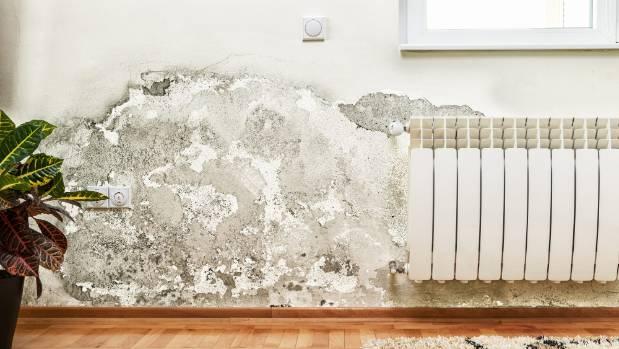
Are you among the many people in NZ battling mould in their homes? Did you tick yes to the census question about having a patch of mould bigger than an A4 piece of paper? If so, we'd love to talk to you.
We're working on an article for Homed to find out when you need to worry about mould and the best ways to tackle it. If you'd like to be involved, let us know the scale of the mould you're dealing with in the comments below, or email us at homed@stuff.co.nz and we'll be in touch.
And thanks! We're looking forward to hearing from you :)
*** Please write NFP (Not for Publication) when you comment if you don't want your comment published in print or online ***
-
10% Yes, it's a big problem in several rooms
-
7.8% Yes, it's bigger than an A4 patch, but only in one room
-
31.1% Yes, but only the odd patch here and there
-
51.1% No, thankfully we're free of mould

Poll: Should the government levy industries that contribute to financial hardship?
As reported in the Post, there’s a $30 million funding gap in financial mentoring. This has led to services closing and mentors stepping in unpaid just to keep helping people in need 🪙💰🪙
One proposed solution? Small levies on industries that profit from financial hardship — like banks, casinos, and similar companies.
So we want to hear what you think:
Should the government ask these industries to contribute?

-
59.4% Yes, supporting people is important!
-
26.3% No, individuals should take responsibility
-
14.3% ... It is complicated

Wills and Luxon are screwing the country to please the oil and gas industry.
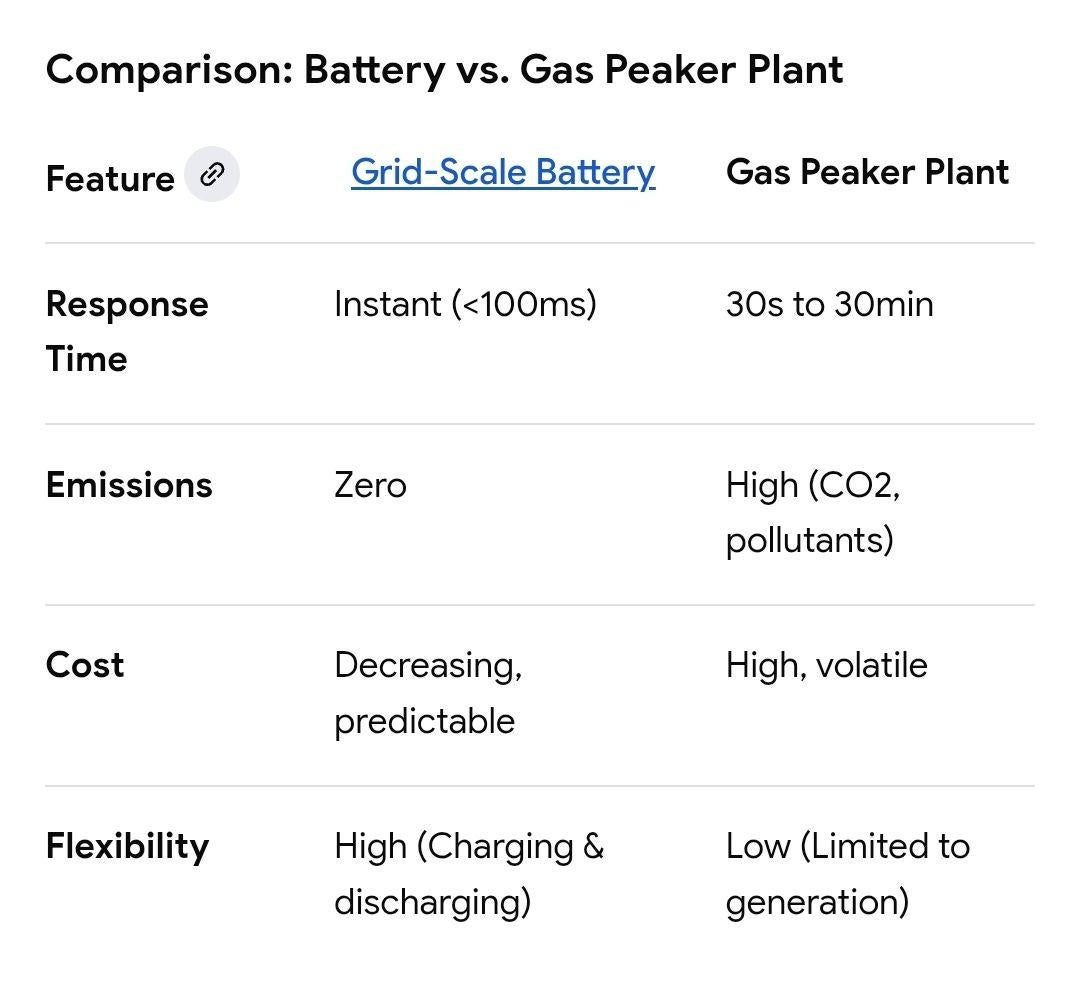
Today the smart investment is in battery peaker plants in combination with solar and wind, or with any other renewable generation capacity during low demand times.
Gas is expensive and will get more so over time.
Let's not forget that Nicola Willis' dad is a big time oil and gas investor, lobbyist, and industry insider.
Maybe this should be posted in ‚Crime & Safety‘?
Even Australians get it - so why not Kiwis???
“Ten years ago, if a heatwave as intense as last week’s record-breaker had hit the east coast, Australia’s power supply may well have buckled. But this time, the system largely operated as we needed, despite some outages.
On Australia’s main grid last quarter, renewables and energy storage contributed more than 50% of supplied electricity for the first time, while wholesale power prices were more than 40% lower than a year earlier.
[…] shifting demand from gas and coal for power and petrol for cars is likely to deliver significantly lower energy bills for households.
Last quarter, wind generation was up almost 30%, grid solar 15% and grid-scale batteries almost tripled their output. Gas generation fell 27% to its lowest level for a quarter century, while coal fell 4.6% to its lowest quarterly level ever.
Gas has long been the most expensive way to produce power. Gas peaking plants tend to fire up only when supply struggles to meet demand and power prices soar. Less demand for gas has flowed through to lower wholesale prices.”
Full article: www.theguardian.com...
If even Australians see the benefit of solar - then why is NZ actively boycotting solar uptake? The increased line rental for electricity was done to make solar less competitive and prevent cost per kWh to rise even more than it did - and electricity costs are expected to rise even more. Especially as National favours gas - which is the most expensive form of generating electricity. Which in turn will accelerate Climate Change, as if New Zealand didn’t have enough problems with droughts, floods, slips, etc. already.
 Loading…